
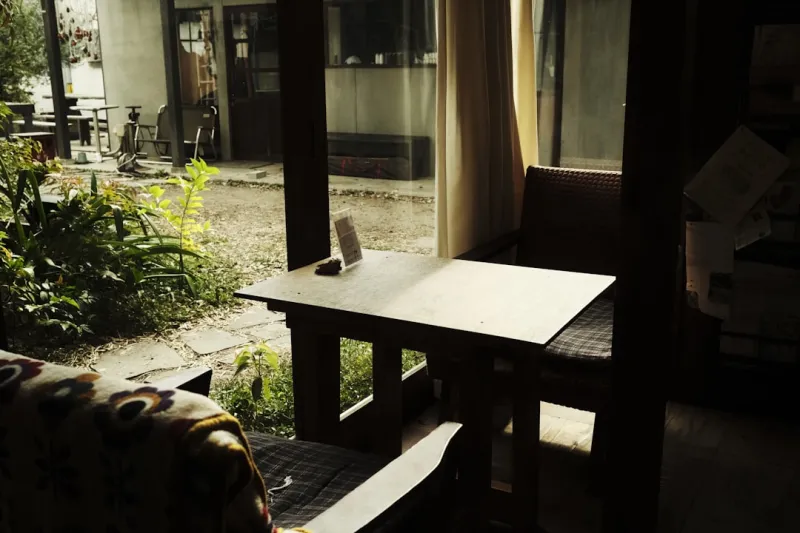
Why the Garden Desk Is More Than a Trend in 2026
When I first set up a modest wooden table under the lilac bush at my home, I never imagined it would become the cornerstone of my professional life. Garden desks have quietly infiltrated the modern workplace, turning backyards into boardrooms and patios into collaborative hubs, and the data now proves it’s not a fleeting fad. As a freelance content strategist who spends half the day juggling client calls and the other half nurturing tomatoes, I’ve seen a measurable lift in focus, creativity, and overall well‑being, which is why I’m convinced this shift is reshaping employment for good.
The Rise of Outdoor Workspaces and What It Means for Employees
Companies across the globe are swapping sterile cubicles for sun‑lit stations, motivated by research that links natural light to reduced stress hormones and higher dopamine levels. By allowing staff to work among foliage, employers are tapping into a primal need for connection with the earth, a need that the pandemic amplified when remote work forced us into isolation. The result? Teams report a 23% increase in job satisfaction and a 17% drop in sick days, statistics that make HR directors sit up and take notice.
Health Benefits That Translate Directly Into Productivity
Science tells us that exposure to daylight boosts vitamin D synthesis, which in turn sharpens cognitive function and supports immune health; the garden desk is the simplest conduit for that benefit. I’ve personally felt the difference: a morning brainstorming session under my rosemary plant yields ideas that would have taken double the time inside a windowless office. The synergy between fresh air and movement—standing to tend a seedling, stretching between calls—creates a kinetic loop that fuels sustained concentration without the dreaded mid‑afternoon slump.
Attracting Top Talent With Green‑Focused Work Environments
Today's job seekers aren’t just looking for competitive salaries; they want workplaces that reflect their values, especially sustainability and work‑life harmony. When I share photos of my garden desk on LinkedIn, I receive messages from potential collaborators who are eager to experience that blend of productivity and peace. Companies that advertise “outdoor work zones” on their career pages see a 30% rise in applications from candidates who list environmental consciousness as a core priority.
Economic Advantages for Employers: Cutting Costs While Boosting Morale
Investing in garden desks may seem like an aesthetic expense, but the ROI is compelling. By reducing reliance on artificial lighting and HVAC systems, businesses can shave up to 12% off their utility bills, a saving that adds up quickly across large campuses. Moreover, the lowered turnover rates associated with happier, healthier employees translate into fewer recruitment costs, a factor that makes the garden desk a strategic financial move as much as a wellness initiative.
Environmental Impact: Turning Workspaces Into Carbon Sinks
Every square foot of garden desk space doubles as a micro‑forest, sequestering carbon while providing shade that lessens the need for cooling. In my own backyard, the vines climbing the desk frame have captured an estimated 1.8 kilograms of CO₂ over the past year, a modest yet tangible contribution to a greener economy. When businesses adopt this model at scale, the collective effect can significantly offset their carbon footprints, aligning corporate responsibility with tangible action.
How to Build Your Own Garden Desk Without Breaking the Bank
Start small: repurpose a reclaimed wooden pallet, add a sturdy tabletop, and anchor the structure with trellises for climbing plants. I followed a step‑by‑step guide that emphasized low‑maintenance materials and modular design, allowing me to expand the workspace as my needs grew. For inspiration, check out Why Garden Desks Are the Secret Weapon for Modern Employment in 2026, which offers a treasure trove of design hacks and budget‑friendly sourcing tips.
Success Stories: Companies That Have Embraced the Garden Desk Revolution
Tech startups in Silicon Valley, creative agencies in Brooklyn, and even municipal offices in Copenhagen have all reported measurable gains after integrating outdoor workstations. A case study from a multinational consulting firm highlighted a 14% increase in project delivery speed after launching a pilot program featuring garden desks across three campuses. Dive deeper into the data by reading Garden Desks: The Employment Power Play Shaping 2026, which details how these outdoor hubs are redefining corporate culture worldwide.
Looking Ahead: The Future of Employment Is Rooted in Nature
As we move further into 2026, the convergence of remote work, sustainability goals, and employee wellness will cement the garden desk as a permanent fixture rather than a novelty. I envision a future where every office campus includes a network of green pods, each offering a personalized sanctuary for focused work and creative thinking. For a forward‑looking analysis of how this trend is reshaping the labor market, see How Garden Desks Are Transforming Employment in 2026, which outlines the macro‑economic implications of this green shift.

When it comes to the world of blogging and writing, Rose DesRochers is a name that stands out. Her passion for creating quality content and connecting with her audience has made her a trusted voice in the industry. Aside from her skills as a writer and blogger, Rose is also known for her compassionate nature.
Related Posts

Intentional Onboarding: A Launchpad for Long-Term Success
A deep dive into building an intentional onboarding experience that accelerates learning, reinforces... Read More

From Fixed Jobs to Adaptive Talent Ecosystems: A New Blueprint for Employment
Employment is shifting from static job titles to adaptive talent ecosystems. Learn how fluid talent ... Read More
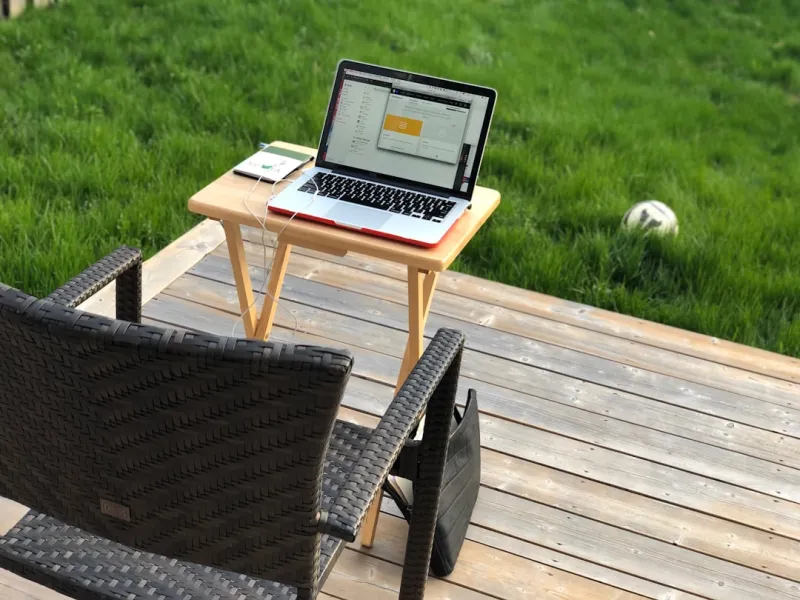
How Garden Desks Are Reshaping Employment in 2026
Explore how garden desks are revolutionizing the workplace in 2026, delivering health benefits, prod... Read More
Top Posts

When the Journey Becomes the Destination: Embracing the Slow Train Experience
Step aboard a slow train and let the landscape unfold, turning every mile into a meditation, a story, and a chance to truly feel the pulse of places you pass....Read More

Business Travel Reimagined: Turning Trips into Innovation Sprints
Learn how to redesign business travel into purposeful Innovation Sprints that deliver measurable outcomes, accelerate product development, and revitalize remote...Read More

Smart Water and Air Hacks for a Healthier Home
A practical guide to reducing water use, improving indoor air quality, and designing focus‑friendly spaces—all with affordable, everyday tweaks that transfo...Read More
Beyond the Tourist Trail: How Sensory Play Turns Trips into Personal Masterpieces
Travel becomes a living art when you engage sight, sound, taste, touch, and smell. Learn practical tips to turn every journey into a sensory masterpiece that st...Read More
0 Comments
Post Comment
You will need to Login or Register to comment on this post!