

The Soundtrack of Your Day: Crafting Acoustic Environments for Mental Resilience
When I walk into a conference room, the first thing I notice isn’t the décor or the temperature—it’s the hum of the HVAC, the faint chatter at the back, and the subtle echo of my own voice. Those sonic cues instantly tell my brain whether the space feels safe, productive, or stress‑inducing. Over the past decade of consulting with tech firms and startups, I’ve learned that sound is the most under‑appreciated lever for mental health at work. In this piece, I’ll unpack why acoustic design matters, how to audit your office’s soundscape, and practical steps you can take to turn everyday noise into a silent ally for focus, calm, and creativity.
Why Our Brains Are Wired for Sound
Humans have been listening long before we started reading. Evolutionarily, a sudden clatter meant a predator—or a tribe member in trouble. Modern brains still react to those primal alerts, even when the source is a printer jam or a colleague’s phone notification. Research in auditory neuroscience shows that:
- High‑frequency, unpredictable sounds trigger the amygdala, the brain’s alarm system, causing spikes in cortisol.
- Consistent, low‑frequency background noise (like gentle airflow or distant traffic) can act as a “white noise” blanket, helping the brain filter out distractions.
- Rhythmic patterns—think of a steady ticking clock—can entrain brainwaves, nudging us toward a state of relaxed focus.
When you understand these mechanisms, you can start to shape the auditory environment to support—not sabotage—mental well‑being.
The Hidden Costs of a Chaotic Soundscape
Open‑plan offices promised collaboration, but they also introduced a constant barrage of overlapping conversations, keyboard clacks, and phone rings. The result? A silent epidemic of “cognitive overload.” Employees report:
- Increased mental fatigue after just an hour of unfiltered chatter.
- Higher error rates on complex tasks that require deep concentration.
- Elevated stress levels measured by heart‑rate variability studies.
These effects aren’t just anecdotal; a 2022 field study found that workers in noisy zones experienced a 20% reduction in task‑completion speed compared to those in acoustically optimized pods. The mental toll is cumulative—over weeks, it chips away at resilience, motivation, and ultimately, retention.
Auditory Audits: Mapping Your Office’s Sound DNA
Before you can redesign, you need data. An auditory audit is a low‑tech yet powerful way to get a baseline.
- Choose Representative Times: Capture sound levels during peak meetings, lunch rush, and quiet afternoons.
- Use a Decibel Meter App (or a dedicated device). Log average dB levels in each zone.
- Identify “Noise Hotspots”: Areas where dB spikes above 65 dB for more than five minutes are red flags.
- Catalog Sound Types: Classify as speech, mechanical, ambient, or interruptive noises.
- Survey Perception: Ask employees to rate how “distracting” each zone feels on a 1‑5 scale. Correlate perception with measured data.
The audit will reveal patterns you might miss—like a coffee machine whose grinder reverberates across a glass‑walled meeting room, or a HVAC vent that hums at a frequency that resonates with certain individuals’ tinnitus.
Design Strategies That Turn Noise into a Wellness Tool
Armed with audit results, you can apply a blend of architectural, technological, and behavioral interventions. Below are the most effective tactics, ranked by impact and ease of implementation.
1. Zoning with Acoustic Materials
Separate high‑focus zones from collaborative spaces using:
- Acoustic panels made of recycled fiberglass or wood wool—these absorb mid‑range frequencies where speech lives.
- Carpeting and soft ceiling tiles to dampen footfall and HVAC noise.
- Glass partitions with laminated layers that block sound without sacrificing natural light.
Even a modest 10% increase in sound absorption can lower average dB levels by 3‑4 points—a perceptible difference for most workers.
2. Introducing Controlled Ambient Sound
Think of this as “sonic scaffolding.” By adding a gentle, consistent sound layer, you mask sudden spikes. Options include:
- White or pink noise generators placed in open areas.
- Nature sound playlists—soft rain, distant ocean waves—broadcast at low volume.
- Subtle music designed for focus, such as binaural beats tuned to 40 Hz, which have been shown to enhance theta brainwave activity.
When done right, these background tones become invisible allies. I’ve seen teams report a 15% boost in perceived concentration after adding a low‑level pink noise system.
3. Personal Sound Zones
Not everyone thrives on the same auditory backdrop. Provide personalized solutions:
- Noise‑cancelling headphones stocked in shared drawers, with a policy that encourages “focus hours” where headsets are the norm.
- Desktop sound domes—small devices that emit a personalized acoustic bubble, shielding the user from surrounding chatter.
- Quiet pods equipped with soft lighting and acoustic isolation for deep work.
These tools empower employees to choose their own acoustic environment, fostering a sense of agency that directly supports mental health.
4. Behavioral Nudges
Technology can’t solve everything; culture matters too.
- “Quiet Hours”: Designate two‑hour blocks each day where non‑essential conversations and calls are limited.
- Conversation etiquette: Encourage the use of “soft voice” signs in collaborative zones.
- Phone silence policies in focus areas, with a gentle reminder banner on monitors.
When employees see that leadership respects auditory space, they’re more likely to reciprocate.
5. Leveraging Technology for Real‑Time Feedback
Smart sensors can monitor dB levels continuously and send alerts when thresholds are breached. Pair this with an internal dashboard that shows “acoustic health” alongside other wellness metrics. The transparency drives collective responsibility and allows facilities teams to adjust HVAC speeds or speaker volumes on the fly.
Case Study: Turning an Open‑Plan Floor into a Sound‑Smart Workspace
One of my recent engagements involved a fast‑growing SaaS startup whose headquarters featured a 4,000‑square‑foot open floor. The leadership team was alarmed by rising turnover and complaints of “constant distraction.”
We began with a two‑week auditory audit, discovering that:
- Average dB levels peaked at 78 dB near the central coffee bar.
- Three “noise corridors”—the hallway by the printer, the meeting‑room entrance, and the open‑window area—accounted for 45% of all complaints.
Our remediation plan combined the tactics above:
- Installed acoustic ceiling tiles in the coffee bar and carpeted the hallway.
- Deployed pink‑noise speakers in the central work zone, calibrated to 45 dB.
- Set up three “focus pods” with sound‑absorbing walls and provided staff with noise‑cancelling headphones.
- Implemented “focus Fridays” where only essential meetings were allowed.
Six months later, employee surveys showed a 27% reduction in reported distraction, and the company’s playful mental fitness scores climbed by 15 points. The startup attributes its improved retention and product‑release cadence directly to the quieter, more intentional sound environment.
Integrating Sound with Other Wellness Pillars
Acoustic design doesn’t exist in a vacuum. Pair it with other mental‑health initiatives for a holistic approach:
- Micro‑breaks: Encourage staff to step away from their desks during “quiet minutes,” which reduces auditory fatigue.
- Movement zones: Combine soft music with gentle stretching to lower cortisol.
- Digital detox: Align digital minimalism practices with reduced auditory clutter—fewer pop‑up notifications mean fewer sudden sound spikes.
When sound is tuned alongside visual, kinetic, and digital environments, the mental health payoff is exponential.
Future Trends: AI‑Driven Sound Personalization
We’re on the cusp of a new era where AI can analyze individual stress signatures via wearable data (heart‑rate variability, skin conductance) and automatically adjust the acoustic backdrop. Imagine a system that senses you’re entering a high‑stress meeting and subtly lowers background noise, or that adds calming nature sounds when it detects elevated cortisol levels.
While still emerging, these technologies promise to turn acoustic design from a static, one‑size‑fits‑all solution into a dynamic, personal wellness coach. Companies that invest early will gain a competitive edge in talent attraction—a silent (pun intended) differentiator in the war for mental‑health‑savvy talent.
Getting Started: A Quick 5‑Step Action Plan
- Conduct a rapid sound audit using a smartphone app during a typical workday.
- Identify one high‑impact zone (e.g., the coffee bar) and install basic acoustic treatment like panels or carpets.
- Introduce a low‑level ambient sound (pink noise or nature audio) in that zone.
- Provide a handful of noise‑cancelling headphones for volunteers during focus periods.
- Track outcomes through a short survey after four weeks—measure perceived distraction, stress, and productivity.
This iterative approach lets you test, learn, and scale without a massive budget. Remember, the goal isn’t to silence the office entirely—silence can feel oppressive—but to curate a soundscape that supports mental agility and calm.
Conclusion: Let Sound Be Your Silent Ally
When I first started listening to the subtle hum of my own office, I thought of it as background noise. Today I see it as a strategic resource—one that can either drain mental reserves or replenish them. By treating acoustic design as a core component of employee wellness, leaders can foster environments where focus thrives, stress wanes, and creativity blooms. The next time you walk into a meeting room, pause. Listen. Then ask yourself: is this soundscape helping my team think clearly, or is it a hidden source of anxiety?
Invest in the answer, and you’ll discover that the quietest improvements often make the loudest impact on mental health.

Robert Mathews is a professional content marketer and freelancer for many SEO agencies. In his spare time he likes to play video games, get outdoors and enjoy time with his family and friends .
Related Posts
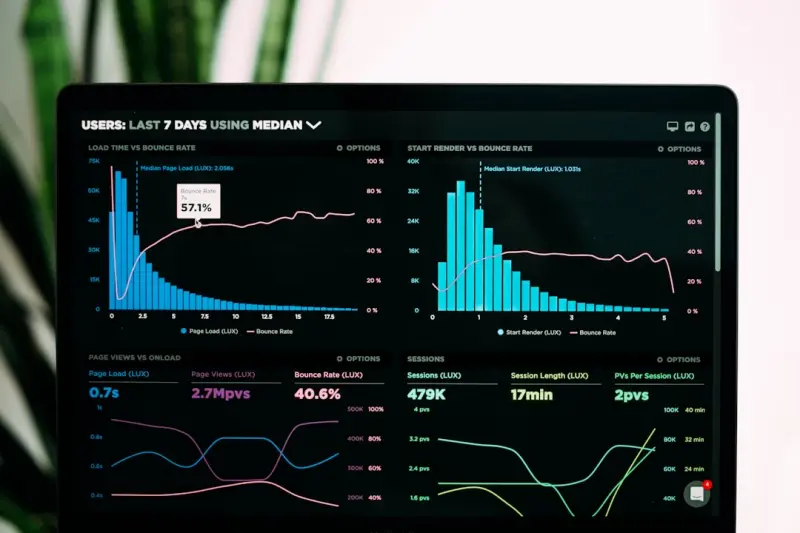
Design Your Own Mental Health Dashboard
A step‑by‑step guide to building a personal mental health dashboard, turning mood, energy, and s... Read More

Micro‑Habit Architecture for Mental Resilience
Discover a practical framework of micro‑habits that quietly rewire your brain for stress resistanc... Read More
Playful Reset: Using Curiosity to Defuse Modern Stress
Learn to turn everyday moments into playful resets, using curiosity, micro‑movement, and sensory t... Read More
Top Posts

Gut Microbiome Mastery: Small Shifts for Big Energy and Focus Gains
A deep dive into the gut microbiome reveals practical, everyday habits—like diverse fibers and fermented foods—that can dramatically improve energy, cogniti...Read More

Beyond the Brush: Reinventing Oral Care for Modern Wellness
Explore a fresh take on personal care by elevating your oral hygiene routine with micro‑rituals, sustainable tools, and science‑backed practices that suppor...Read More
How Employee Advocacy Programs Transform Careers and Companies
Employee advocacy programs turn staff into brand ambassadors, driving recruitment, reputation, and personal career growth through authentic storytelling and str...Read More
Turning Transit Time into a Personal Discovery Lab
Discover practical habits and a portable kit that turn every layover, train ride, or delayed flight into a creative laboratory for observation, learning, and st...Read More
0 Comments
Post Comment
You will need to Login or Register to comment on this post!