

Why Breath Is the Underrated Health Tool
Ever notice how a single sigh can melt tension, while a shallow gulp of air leaves you feeling jittery? I discovered that the rhythm of my own inhalations and exhalations was the most accessible, yet most ignored, lever for my well‑being during a hectic product launch that left my sleep in tatters. By deliberately slowing my breath, I unlocked a cascade of calm that not only steadied my mind but also sharpened my focus, proving that the act of breathing is far more than a mere physiological necessity—it’s a portable meditation, a stress‑buster, and a performance enhancer rolled into one.
The science behind breath is surprisingly elegant: each inhalation brings oxygen that fuels mitochondria, while each exhalation expels carbon dioxide, a potent regulator of blood pH and neural excitability. Research shows that deliberate, slow breathing stimulates the vagus nerve, the body’s “rest‑and‑digest” command center, which in turn lowers heart rate and reduces the flood of cortisol that typically follows a stressful event. In practical terms, this means that a few minutes of purposeful breathing can shift the autonomic nervous system from sympathetic dominance to parasympathetic calm, creating a measurable drop in blood pressure and a noticeable lift in mood.
One of the most effective techniques I’ve adopted is the 4‑7‑8 method, a simple pattern that aligns with the body’s natural respiratory rhythm. Begin by exhaling completely, then inhale quietly through the nose for a count of four, hold the breath for seven seconds, and finally exhale slowly through the mouth for eight counts, visualizing tension draining away. Repeating this cycle four times before a meeting or bedtime acts like a reset button, allowing the brain’s amygdala to quiet down and the prefrontal cortex to regain its executive function, which translates into sharper decision‑making and deeper, more restorative sleep.
When stress spikes, the adrenal glands pump cortisol, a hormone that, in excess, can sabotage digestion, immune response, and even memory consolidation. Controlled breathing counteracts this cascade by activating the baroreflex, a feedback loop that tells the heart to beat slower and the kidneys to release less of the stress‑inducing hormone. By integrating a few minutes of diaphragmatic breathing into daily routines—whether during a coffee break or while waiting in line—you create a buffer that prevents cortisol from reaching chronic, damaging levels, thereby protecting both mental clarity and physical health.
Sleep quality often hinges on the transition from wakefulness to the deep, slow‑wave phases that the body uses for repair. A nightly breathing ritual, such as the 4‑7‑8 sequence or a gentle box breathing pattern, can cue the nervous system to unwind, lowering heart rate variability and encouraging the production of melatonin, the hormone that governs circadian rhythms. I’ve found that pairing this practice with a dimly lit environment and a brief journal entry eliminates mental clutter, allowing the brain to glide smoothly into REM cycles that leave me feeling refreshed and ready to tackle the next day’s challenges.
Athletes and everyday movers alike reap benefits from breath control because oxygen delivery is the final common pathway for energy production. By training the diaphragm to expand fully, you increase lung capacity and improve the oxygen‑carbon dioxide exchange, which translates into more efficient ATP generation during workouts. Even a modest 10‑minute session of paced breathing before a run or a strength circuit can reduce perceived exertion, allowing you to push further without the usual fatigue, while also promoting quicker recovery by flushing out metabolic waste more effectively.
Integrating breath with movement doesn’t have to be a yoga class; it can be as simple as syncing your steps with a steady inhale‑exhale pattern while strolling through the neighborhood. This rhythmic coupling creates a meditative flow that steadies the mind, improves proprioception, and reduces the risk of injury by encouraging a balanced gait. I’ve experimented with walking lunges while inhaling on the ascent and exhaling on the descent, and the result is a heightened sense of body awareness that feels both grounding and energizing.
For those who already practice Sensory Self‑Care, adding breathwork deepens the sensory experience by linking tactile feedback with the subtle shifts in chest expansion. When you become aware of the rise and fall of your ribs, you’re essentially tuning into an internal landscape that mirrors external sensations, creating a feedback loop that amplifies relaxation. Similarly, the principles behind a Multi‑Sensory Garden can be applied indoors: breathe in the scent of herbs while consciously feeling the cool air on your skin, turning ordinary moments into holistic wellness rituals.
Building a breathwork habit is as much about consistency as it is about curiosity; start with three minutes each morning, track how you feel after a week, and gradually expand the duration as the practice becomes second nature. The beauty of this tool is its universality—no equipment, no membership, just the air around you waiting to be harnessed for health. Embrace the invitation to breathe with intention, and you’ll discover a resilient, calmer version of yourself that thrives in both the hustle and the hush.

Jimmy Damon loves to right on a large scale of topics with all things Canadian as this Montreal die hard loves hockey. fishing and sports.
Related Posts

Unlocking Health Through the Simple Act of Breath
A deep dive into the science of breathwork, practical techniques, and how pairing mindful breathing ... Read More

Micro‑Movement Magic: Tiny Workday Exercises That Transform Health
Micro‑movement introduces quick, purposeful exercises into the workday, counteracting the harmful ... Read More

Nature’s Prescription: How Outdoor Immersion Reboots Your Body and Mind
A data‑driven 30‑day protocol shows that short, frequent nature breaks can lower cortisol, enhan... Read More
Top Posts

Garden Desk Mastery: Turning Your Backyard into a Productive Oasis
Explore how turning a backyard spot into a garden desk can boost productivity, health, and creativity, with practical design tips and inspiring real‑world suc...Read More
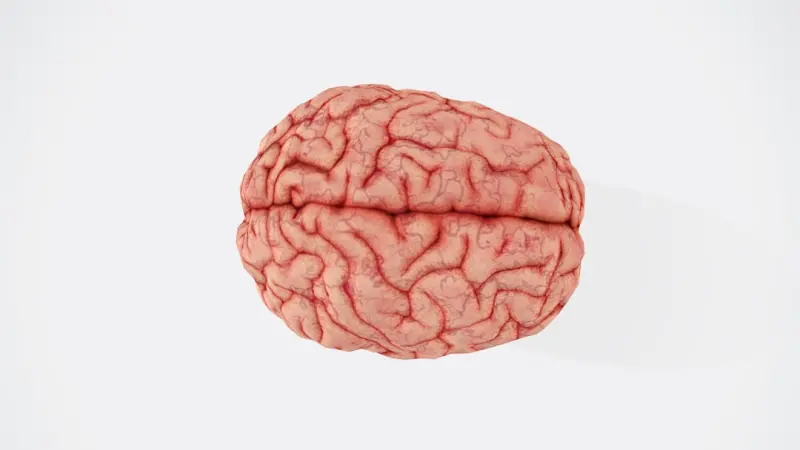
Reboot Your Brain: The Surprising Power of Sensory Reset
A deep dive into sensory reset: learn why dimming lights, silencing noise, and gentle touch can refresh your nervous system, sharpen focus, and elevate wellbein...Read More

Unlocking Career Growth with Internal Gig Platforms
Explore the rise of internal gig platforms and learn how to leverage short‑term projects for career acceleration, higher pay, and expanded networks—all with...Read More

Simplify Your Personal Care for a Radiant Glow
A personal care routine doesn’t need to be complex. Learn how to streamline your steps, focus on texture, and redesign your space for lasting glow and well‑...Read More
0 Comments
Post Comment
You will need to Login or Register to comment on this post!