

Welcome to the Light‑Play Revolution
When I first moved into my city‑side loft, the biggest complaint from friends was the “dark, boxy” feel of the space. I loved the minimal aesthetic, but something was missing—a sense of rhythm, a subtle pulse that changes with the seasons. That’s when I started treating natural light not just as illumination, but as a living design element that can shape mood, productivity, and even the health of the plants you nurture.
Why Seasonal Light Matters
Our bodies are wired to respond to daylight. The circadian system uses light cues to regulate hormones, sleep cycles, and even metabolism. Beyond biology, light influences how we perceive space: a bright, sun‑washed morning can make a kitchen feel expansive, while a soft, diffused dusk can turn a living room into a cozy retreat.
Designers have long leveraged artificial lighting to craft ambience, but the sun offers a dynamic, free‑of‑cost resource that changes every day. By learning to choreograph that light, you can create a home that feels fresh year after year.
Mapping Your Light Landscape
Before you buy any new window treatment or install a skylight, take a systematic “light audit” of each room. Grab a notebook or a digital note app and follow these steps:
- Identify the sun path. Use a simple sun‑tracking app or just observe where sunlight hits the floor at 9 am, noon, and 3 pm during summer and winter.
- Note the intensity. In bright rooms, the light will be harsh and can cause glare on screens. In deeper rooms, you may need reflective surfaces to bounce light deeper.
- Record the duration. How many hours per day does each space receive direct sun? This informs plant choices, work schedules, and even paint color decisions.
Documenting these details gives you a blueprint to make intentional changes rather than guessing what works.
Design Strategies for Each Season
Winter Warmth
Winter days are short, and the sun sits low on the horizon. To maximize warmth and light:
- Install low‑profile interior mirrors. Position them opposite windows to reflect light deeper into the room. A large, decorative mirror can also serve as an art piece.
- Choose warm‑toned finishes. Creamy whites, soft golds, and muted terracotta amplify the low‑angle sunlight, creating an inviting glow.
- Embrace light‑diffusing curtains. Sheer panels let the sun filter in while still offering privacy. Layer them with heavier drapes for evening coziness.
Spring Awakening
Spring brings longer days and a burst of natural color. It’s the perfect time to introduce:
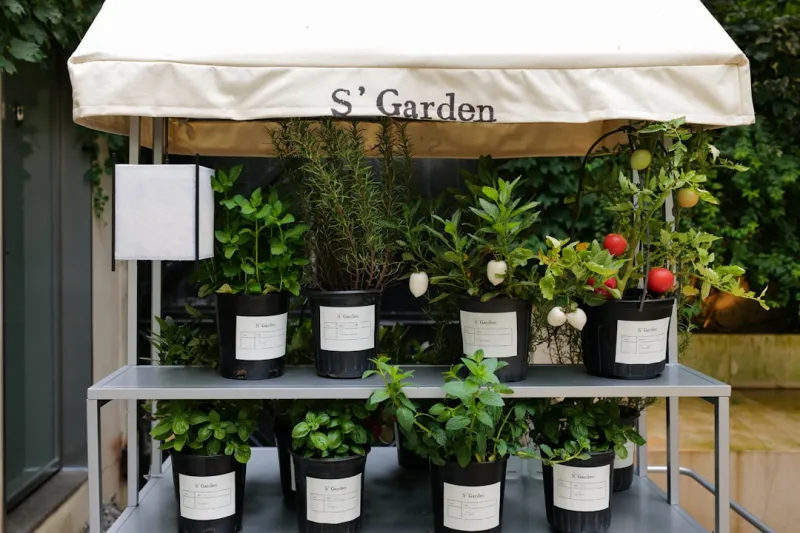
- Window‑sill herb gardens. Basil, mint, and thyme love the moderate sunlight of early spring and provide fresh flavors for the kitchen.
- Translucent glass dividers. These let light flow between rooms while defining functional zones.
- Soft pastel accents. Light blues and muted greens echo the season’s freshness without overwhelming the natural light.
Summer Brightness
When the sun is high and intense, you’ll want to balance brightness with comfort:
- External shading. Install adjustable awnings, pergolas, or even a simple bamboo shade sail on patios to filter harsh rays.
- Light‑colored flooring. Light woods, polished concrete, or large‑format tiles reflect sunlight, keeping interiors cooler.
- Strategic plant placement. Tall, leafy plants like fiddle‑leaf figs or dracaenas act as natural sun blockers while adding greenery.
Autumn Ambience
Autumn’s golden hour is arguably the most cinematic. To capture that mood:
- Layer warm textiles. Throw blankets, woven rugs, and plush cushions in deep amber or rust enhance the mellow light.
- Use dimmable fixtures. Pair natural light with smart dimmers that mimic the sunset’s gradual dimming, supporting evening relaxation.
- Introduce reflective décor. Metallic vases or glass candle holders bounce the waning light, adding sparkle without electricity.
Integrating Light with Function: The Home Office Example
Many of us now split our day between a dedicated office nook and the rest of the home. By aligning your work schedule with the natural light curve, you can boost focus and reduce eye strain.
Here’s a quick setup:
- Place the desk near a south‑facing window. In the morning, the light will be bright but not harsh, ideal for reading and screen work.
- Install a home automation syncing routine. Program blinds to open at sunrise and close after noon, preserving a consistent luminance level.
- Use a task lamp with a color‑temperature dial. When daylight fades, match the lamp’s hue to the remaining natural light to keep your circadian rhythm steady.
By syncing your environment with the day’s light, you’ll notice improved concentration and a smoother transition to evening downtime.
Lighting the Garden: Extending the Indoor Rhythm Outdoors
Just as you curate indoor light, you can orchestrate the garden’s illumination to create a seamless indoor‑outdoor flow.
Pathway Glow
Low‑voltage LED strip lights hidden under stepping stones provide a subtle guide for nighttime walks. Choose warm amber tones to avoid disrupting nocturnal pollinators.
Seasonal Spotlights
Install directional spotlights that can be angled to highlight a summer‑blooming rose bush or an autumn‑colored maple. Many systems now come with sun‑sensor controls that automatically adjust intensity based on ambient light.
Moon‑Phase Mood Lighting
For those who love stargazing, a soft, blue‑hued lantern placed on a patio table can simulate moonlight, creating a tranquil backdrop for late‑night conversations.
Smart Storage Meets Light
When you’re working with limited square footage, storage solutions must double as light enhancers. A clever approach is to integrate reflective smart storage ideas that bounce light into darker corners.
- Open shelving with glass backs. The glass reflects light from adjacent windows, brightening the entire wall.
- Light‑colored storage bins. Choose whites or pale pastels for bins placed on lower shelves; they’ll act like mini reflectors.
- Floating cabinets with translucent fronts. Frosted acrylic doors let daylight filter through while keeping contents out of sight.
These tactics not only declutter but also enhance the room’s overall luminance, making small spaces feel larger.
Balancing Light and Energy Efficiency
While we’re celebrating natural light, it’s important to remain conscious of energy consumption. Here are three low‑impact strategies:
- Low‑E window films. They reduce heat gain in summer while preserving visible light, keeping interiors bright without over‑cooling.
- Thermal curtains. On cold evenings, close them to retain heat; on hot days, open them during the early morning to let in gentle sun.
- Daylight‑responsive sensors. Connect your artificial lighting to sensors that dim or turn off lights when sufficient daylight is present.
Case Study: A Light‑Centric Renovation
One of my recent client projects involved a two‑story townhouse with a dark, narrow hallway. The goal was to transform it into a welcoming conduit between the living room and the upstairs bedroom.
Step 1: Light Mapping – We discovered that the hallway received only 30 minutes of direct sunlight each afternoon. The rest was shadowed by an overhanging balcony.
Step 2: Mirror Installation – A series of narrow, vertical mirrors were placed opposite the hallway windows. This doubled the perceived depth and reflected light deeper into the space.
Step 3: Skylight Addition – A modest skylight with a low‑profile, insulated frame was installed above the hallway’s midpoint. The skylight is equipped with an automatic shade that closes during peak summer heat.
Step 4: Light‑Reflective Flooring – We swapped the original dark hardwood for a light‑gray engineered wood with a matte finish. The new floor reflects sunlight without glare.
The result? The hallway now feels airy, and the client reports feeling more energized when moving through the home. The project demonstrates that even modest light interventions can dramatically reshape perception.
Future‑Proofing Your Light Strategy
As climate patterns shift, the amount and quality of daylight may change. Future‑proofing means designing adaptable systems:
- Adjustable louvers. Motorized louvers can be programmed seasonally to optimize solar gain or shading.
- Modular light shelves. Removable reflective shelves allow you to reposition them as the sun’s angle changes year over year.
- Dynamic glazing. Electrochromic glass that darkens on demand can balance light and heat without mechanical shades.
Investing in adaptable solutions ensures your home remains comfortable and beautiful regardless of external fluctuations.
Takeaway Checklist
Ready to start your own light‑play transformation? Use this quick checklist:
- Conduct a light audit for each room.
- Identify the dominant sun path for summer and winter.
- Choose reflective surfaces (mirrors, light‑colored storage).
- Integrate home automation syncing to manage blinds and shades.
- Select seasonal décor and plantings that complement the light level.
- Plan for energy‑efficient glazing and shading.
- Implement adaptable systems like adjustable louvers or dynamic glass.
When you treat light as a design partner rather than a mere utility, every room becomes a stage for daily life—one that evolves with the sun and supports your wellbeing, productivity, and aesthetic pleasure.

Seth Samual is a name that's quickly becoming synonymous with compelling and insightful writing. As a freelance writer, Seth has carved a niche for himself by delivering high-quality content across a diverse range of subjects.
Related Posts

Seasonal Garden Staging: How to Transform Your Yard Four Times a Year
Discover a step‑by‑step approach to revitalize your outdoor space each season, from planting vib... Read More

Harvesting Harmony: Building a Low‑Effort Kitchen Garden That Feeds Body and Soul
Learn to transform a sunny windowsill or balcony into a low‑maintenance kitchen garden, using smar... Read More
Why My Garden Desk Is the Hottest Home & Garden Trend of 2024
Rose DesRochers reveals why garden desks are reshaping home productivity, offering a sustainable, we... Read More
Top Posts

Negotiating Flexible Work Contracts in the Modern Gig Economy
Discover proven strategies for negotiating flexible gig contracts, from data‑driven pricing to AI‑enhanced drafting, ensuring fair pay and sustainable clien...Read More

AI‑Powered Communities: Redefining Collective Intelligence
Discover how AI can act as a smart backbone for online communities, enhancing moderation, personalizing learning paths, and bridging groups for richer, collecti...Read More

Microadventure Mastery: Turning Short Breaks into Epic Stories
Learn to craft microadventures that transform everyday moments into epic stories, using simple planning steps, essential gear, and mindful practices for a riche...Read More

Soundtrack Your Mind: Harnessing Personalized Audio for Mental Resilience
A deep dive into using personalized audio playlists as a mental health tool, offering practical strategies to turn everyday moments into opportunities for emoti...Read More
0 Comments
Post Comment
You will need to Login or Register to comment on this post!