
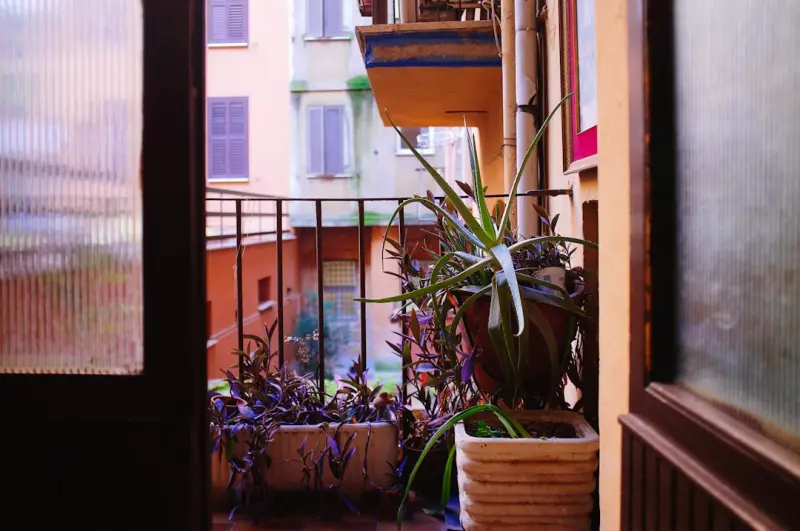
When I first inherited a cramped balcony on the fifth floor of a bustling city building, my instinct was to treat it like a decorative afterthought—a spot for a couple of plastic pots and a stray wind chime. But the moment I realized that even the smallest patch of outdoor real‑estate can become a resilient food source, I started dreaming in greens, herbs, and the subtle hum of soil microbes. This isn’t a lofty, “grow‑your‑own‑avocado” fantasy; it’s a practical, step‑by‑step guide that turns any modest balcony into a year‑round bounty hub, even when space feels like a luxury.
Why a Balcony Garden Deserves Your Attention
Urban living often forces us to sacrifice the natural rhythms we once enjoyed on a suburban lawn. Yet, research shows that regular interaction with plants can lower cortisol, improve focus, and even boost immunity. More importantly, a balcony garden offers tangible rewards—fresh herbs for your kitchen, crisp lettuce for salads, and a sense of agency over the food you consume. When you combine this with modern vertical planting systems and smart lighting, the potential expands dramatically.
Assessing Your Space: The Real Estate Audit
Before you rush to the nearest nursery, take a critical look at three core variables:
- Sunlight exposure: Track the sun’s path for a full week, noting how many hours each section receives direct light. Most fruiting vegetables need 6–8 hours, while leafy greens can thrive with 3–4.
- Weight limits: Many apartment balconies have a maximum load (often 250‑300 kg). Factor in soil weight—wet soil can weigh up to 1.6 kg per liter—so opt for lightweight substrates like coco coir or peat‑based mixes when needed.
- Wind and privacy: High‑rise balconies can be breezy. Use windbreaks such as lattice panels or tall, flexible grasses to protect tender seedlings while also adding visual privacy.
Choosing the Right Growing System
Traditional container gardening works, but vertical systems unlock exponential yields. Here are three configurations that fit most balcony footprints:
1. Modular Stackable Planters
These are stackable trays that slot into each other like building blocks. They’re perfect for herbs, microgreens, and dwarf varieties of tomatoes or peppers. Look for modules with built‑in drainage channels to avoid waterlogging.
2. Pocket‑Style Fabric Grow Bags
Made of breathable fabric, these bags promote air pruning of roots, which encourages healthier, more extensive root systems. They’re lightweight when empty, making them ideal for balconies with strict weight restrictions.
3. Rail‑Mounted Shelf Systems
If you have a railing, install a sturdy metal shelf that runs the length of the balcony. Use deep planters on the shelf, securing them with brackets. This maximizes vertical space while keeping pots at a comfortable height for maintenance.
Soil, Substrate, and Nutrient Strategies
Standard potting mix works, but for higher yields and lighter weight, blend the following:
- 50 % coco coir – excellent water retention, lightweight, and renewable.
- 30 % perlite – improves aeration and reduces compaction.
- 20 % composted worm castings – a slow‑release nutrient source that fuels continuous growth.
For a quick nutrient boost, dissolve a balanced, water‑soluble fertilizer (10‑10‑10) at half the recommended rate every two weeks. This keeps the feeding gentle, preventing nutrient burn on delicate seedlings.
Lighting the Night: Smart LED Solutions
Even the sunniest balcony experiences seasonal dimming. Enter smart LED grow lights. Look for full‑spectrum LEDs with adjustable timers and intensity settings. Mount them on a hanging bracket or a lightweight aluminum frame so they can be angled toward the plants.
Program the lights to mimic natural daylight cycles: 14 hours on, 10 hours off during winter months, and 12 hours on, 12 hours off in summer. Many models integrate with home assistants, allowing voice control—perfect for the tech‑savvy urban gardener.
Seasonal Planting Calendar for Small Balconies
Planning ahead is the secret weapon of any successful balcony gardener. Below is a streamlined calendar that aligns with the typical temperate climate, but you can adjust it to your local zone.
| Month | Cool‑Season Crops | Warm‑Season Crops |
|---|---|---|
| January–February | Spinach, kale, arugula, mustard greens | Start tomato and pepper seeds indoors |
| March–April | Peas, lettuce, radish, Swiss chard | Transplant hardened‑off tomatoes, basil, cilantro |
| May–June | Continue lettuce, add beans | Full‑sun tomatoes, peppers, eggplant, zucchini |
| July–August | Heat‑tolerant greens (amaranth, tatsoi) | Succession planting of quick‑grow beans and cucumbers |
| September–October | Broccoli, cauliflower, cabbage | Harvest remaining warm‑season crops early |
| November–December | Winter kale, collards, root veg (carrots, beets) | Protect with frost cloths or move containers indoors |
Water Management: The Art of Consistency
Over‑watering is the most common mistake on balconies. Use a self‑watering reservoir system—an inverted water bottle with a wicking cord that slowly releases moisture into the soil. This mimics the natural capillary action of a well‑balanced ecosystem.
Alternatively, install a simple drip irrigation kit connected to a rain barrel or a small indoor water reservoir. Automated timers ensure each planter gets the exact amount it needs, freeing you from daily watering chores.
Pest Control Without Chemicals
Balcony gardens attract both beneficial insects and a few unwelcome guests. Embrace an integrated pest management (IPM) approach:
- Companion planting: Marigolds deter nematodes, while basil repels aphids.
- Physical barriers: Fine mesh netting protects fruiting plants from birds and insects.
- Homemade sprays: Mix neem oil with water (1 tsp per litre) and a few drops of dish soap for a biodegradable insecticidal spray.
Remember, a few aphids can be a sign that your garden is thriving—predatory ladybugs love them, and they will naturally keep the population in check.
Harvesting Techniques for Continuous Yield
To keep the garden productive, adopt “cut‑and‑come‑again” methods:
- Leafy greens: Snip the outer leaves, leaving the central bud untouched. This encourages new growth from the base.
- Herbs: Harvest just above a leaf node; the plant will sprout new stems from that point.
- Fruit‑bearing plants: Pick ripe fruit promptly; this signals the plant to produce more.
By rotating harvests, you maintain a steady supply of fresh produce and avoid the stress of a single, massive crop that quickly overruns the limited space.
Integrating the Balcony Garden with Your Indoor Kitchen
One of the most rewarding outcomes is the seamless flow of produce from balcony to plate. Consider these tips to make the connection effortless:
- Design a “living kitchen” corner: Position a small herb rack near the stove, linking back to the balcony garden. For inspiration, explore how other enthusiasts have merged their garden and culinary spaces in this living kitchen article.
- Use a portable prep station: A fold‑out table on the balcony can serve as a washing and chopping area, reducing indoor mess.
- Seasonal recipes: Keep a notebook of dishes that match what’s in season—think basil pesto in summer, kale chips in winter.
Creating a Low‑Stress, High‑Energy Balcony Oasis
Beyond food, your balcony can become a sanctuary that recharges your mind and body. Pairing the garden with calming elements—like a small water feature, wind chimes, or a soft outdoor rug—creates a sensory environment that lowers stress. To learn how to integrate wellness‑focused design, check out the guide on turning your home into a low‑stress power hub here. The same principles apply: declutter, focus on natural textures, and use color deliberately.
Community Building: The Balcony Swap
One of the most unexpected joys is the social ripple effect. Organize a “balcony swap” with neighbors: exchange seedlings, share harvest tips, or trade excess produce. This not only diversifies the varieties you can grow but also fosters a sense of belonging in a high‑rise environment where connections can feel fleeting.
Budget‑Friendly Hacks for the Thrifty Gardener
Transforming a balcony doesn’t have to break the bank. Here are a few cost‑saving ideas:
- Repurpose household items: Use old wooden crates as planter boxes, or turn a wine rack into a vertical herb holder.
- DIY grow lights: Purchase affordable LED strip lights and mount them with zip ties; add a timer for automation.
- Compost in a balcony bin: A small worm bin turns kitchen scraps into nutrient‑rich worm castings, reducing the need for commercial fertilizers.
Measuring Success: Tracking Growth and Yield
Keep a simple garden journal—digital or paper. Record planting dates, varieties, watering frequency, and harvest weight. Over time, you’ll notice patterns: which spots receive the most sun, which containers retain moisture best, and which varieties outperform others. This data-driven approach mirrors the precision of larger farms but is perfectly scaled for your balcony.
Scaling Up: From Balcony to Rooftop (If You Dare)
Once you’ve mastered the balcony, consider expanding to shared rooftop gardens, community plots, or even a tiny indoor hydroponic system. The skills you’ve honed—vertical planting, smart lighting, and efficient water use—are directly transferable to larger urban farming projects.
In the end, a balcony is more than a decorative ledge; it’s a platform for sustainable living, a laboratory for experimentation, and a personal retreat that reconnects you with the rhythms of nature. By embracing vertical design, smart technology, and thoughtful seasonal planning, you’ll harvest fresh flavors, reduce grocery bills, and nurture a greener mindset—all without needing a sprawling backyard.

Jimmy Anand is a content creator that gets inspired by many aspects of life, internet or whatever inspires him at that moment. When he's not online he's gaming and when he is not gaming he is online trolling discussion boards.
Related Posts
Crafting an Outdoor Creative Studio: Your Garden as a Hobby Hub
Turn your backyard into a vibrant creative studio where painting, woodworking, and quiet contemplati... Read More

Scent‑Driven Garden Design: Crafting Aromatic Spaces for Home Wellness
Explore the art of designing a fragrant garden that nurtures mental health, supports pollinators, an... Read More

Cultivating a Year‑Round Aromatherapy Garden Inside and Out
Learn to create a year‑round aromatherapy garden that blends scent, design, and wellness, turning ... Read More
Top Posts

Crafting a Low‑Maintenance Xeriscape Oasis for Busy Homeowners
Transform your yard into a low‑maintenance xeriscape oasis that saves water, reduces upkeep, and stays stunning year‑round. Perfect for busy homeowners seek...Read More

When AI Becomes Your Brain’s Second Pair of Hands
AI can become a silent partner that curates information, mitigates prompt fatigue, and augments decision‑making, turning it into a true cognitive extension fo...Read More
Redesigning the Workweek: How Project‑Based Sprints Empower Employees and Accelerate Business
A sprint‑centric workweek replaces the rigid five‑day schedule with focused, time‑boxed cycles, boosting employee engagement, creativity, and organization...Read More
The Art of Invisible Storage: Clever Ways to Hide Clutter in Every Room
Learn how to create a calm, clutter‑free home using invisible storage techniques. From pull‑out pantry panels to hidden bathroom cabinets, this guide shows ...Read More
0 Comments
Post Comment
You will need to Login or Register to comment on this post!