
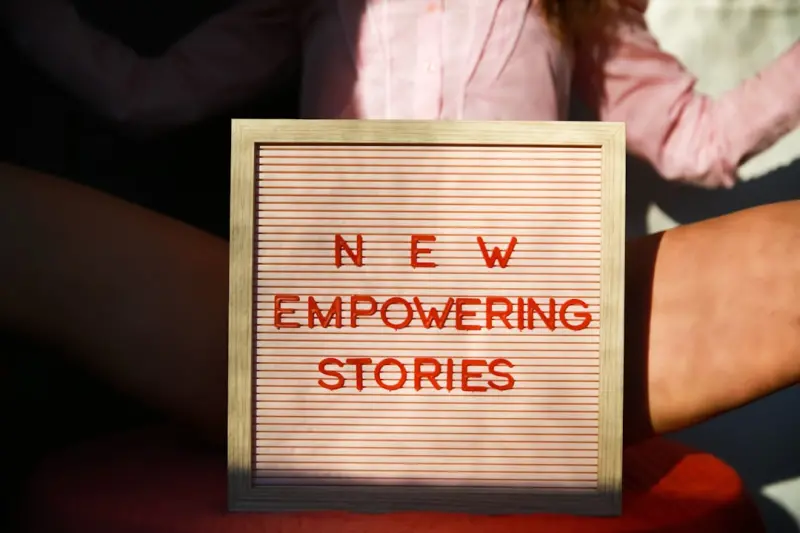
Why Storytelling Matters More Than Ever for Mental Health
When I first noticed the subtle tremor of anxiety creeping into my morning coffee ritual, I realized that the story I was telling myself about the day ahead was the real catalyst, not the caffeine. In the chaotic swirl of notifications, deadlines, and self‑imposed expectations, our inner narrative becomes a silent director that either steadies the ship or steers it into stormy waters, and recognizing this power is the first step toward genuine mental resilience. By treating our thoughts as plot points rather than immutable facts, we give ourselves permission to edit, rewrite, and even delete the chapters that no longer serve us, a practice that can transform a nagging worry into a manageable subplot.
Storytelling as Self‑Care: Crafting a Personal Growth Ally
Imagine your mind as a collaborative studio where you are both the author and the editor, and every experience is a draft waiting for refinement; this is the essence of using storytelling as self‑care. When we frame challenges as narrative arcs—conflict, climax, resolution—we create a psychological distance that reduces overwhelm and invites curiosity, allowing us to see setbacks as temporary plot twists rather than permanent failures. For those looking to amplify this practice, consider exploring how personal growth ally tools can surface hidden themes in your story, offering fresh perspectives that help you pivot the narrative toward empowerment.
The Inner Archive: Journaling Meets Narrative Therapy
Journaling has long been praised for its cathartic release, yet when we elevate it to narrative therapy, we move beyond mere recording to purposeful story‑crafting, turning raw feelings into coherent scenes that can be examined and reshaped. By assigning characters, motives, and settings to our emotions, we externalize internal turmoil, making it tangible enough to negotiate with, and this technique mirrors the insights found in travel journaling, where the act of capturing fleeting moments solidifies memory and meaning. The result is a personal archive that not only preserves the past but also provides a library of plot devices you can draw upon when constructing healthier mental scripts.
Micro‑Narratives in Daily Interactions: The Power of Tiny Tales
Every conversation, email, or fleeting glance is a micro‑narrative that subtly reinforces our self‑concept, and learning to script these moments consciously can recalibrate our mental landscape with minimal effort. When we approach a routine meeting as a short story with a clear beginning, conflict, and resolution, we naturally adopt a problem‑solving mindset that reduces anxiety and promotes confidence; this approach dovetails with the principles of peer mentorship, where shared storytelling becomes a catalyst for collective growth and mutual validation. Over time, these micro‑tales accumulate into a larger, more cohesive personal myth that supports resilience rather than eroding it.
Color & Sound as Narrative Backdrops: Setting the Scene for Mental Calm
Just as a novelist chooses a setting that influences a character’s mood, we can curate our physical environment with color and sound to reinforce the emotional tone we desire. Research shows that certain hues—soft blues, muted greens—can lower cortisol levels, while ambient soundscapes like rain or distant ocean waves act as auditory subtext that quiets racing thoughts; the synergy of these elements creates a sensory script that subtly guides the brain toward relaxation. To deepen this practice, explore the insights from color mood hacks, which detail how strategic palette choices can rewrite the emotional script of a room, turning a chaotic workspace into a sanctuary for mental clarity.
Digital Minimalism: Curating Your Mental Feed
In an age where information flows nonstop, the subconscious mind becomes a sponge that absorbs every headline, meme, and notification, often without consent, and this overload fuels anxiety and decision fatigue. Practicing digital minimalism—deliberately limiting screen time, unfollowing sources that trigger negativity, and scheduling intentional offline periods—acts like editing out extraneous chapters from a novel, allowing the core storyline of your life to shine through with greater focus. By treating your digital diet as a narrative edit, you empower yourself to keep only the plot points that align with your values, thereby reducing mental clutter and fostering a calmer, more purposeful internal dialogue.
Embodied Storytelling: Movement, Breath, and Mental Reset
Physical movement is not merely exercise; it is a kinetic form of storytelling where each breath and gesture writes a new line in the script of our nervous system, signaling safety, confidence, or tension. Simple practices like a five‑minute “story stretch,” where you imagine each inhale as a rising action and each exhale as a resolution, can interrupt stress loops and rewire the brain’s response to pressure. When paired with mindful posture—a subtle nod to the desk ergonomics reset principles—we create a full‑body narrative that communicates calm to both mind and muscles, fostering a holistic sense of well‑being.
Community Story Circles: Collective Healing Through Shared Narratives
Isolation amplifies mental distress, while sharing stories in a supportive circle builds a communal narrative that normalizes struggle and celebrates resilience, turning personal pain into collective strength. In a story circle, each participant offers a vignette of their experience, and the group listens without judgment, providing feedback that reframes challenges as shared human themes rather than solitary burdens; this process mirrors the therapeutic power of community found in peer‑led workshops and reinforces the idea that we are all co‑authors of a larger, interwoven tale. Regular participation in such circles cultivates empathy, reduces stigma, and creates a living anthology of hope that participants can draw from during solitary moments of doubt.
Practical Toolkit: Five Narrative Exercises to Try Tonight
To translate these concepts into actionable steps, start with five simple exercises: (1) write a “future‑self” scene describing a day where anxiety no longer dictates choices; (2) select a calming color for your bedroom and note the shift in mood over 48 hours; (3) record a 2‑minute audio of ambient nature sounds and play it while breathing deeply during a work break; (4) draft a micro‑story of a recent conversation, highlighting the positive intent behind each remark; and (5) share a brief personal anecdote in an online or in‑person story circle, noting the emotional response you receive. Consistently practicing these narrative tools not only strengthens mental muscles but also creates a repository of positive scripts you can replay whenever stress knocks, turning storytelling from a creative pastime into a daily mental‑health regimen.

Seth Samual is a name that's quickly becoming synonymous with compelling and insightful writing. As a freelance writer, Seth has carved a niche for himself by delivering high-quality content across a diverse range of subjects.
Related Posts

Emotional Hygiene: A Daily Practice for Sustainable Mental Well‑Being
Discover a step‑by‑step emotional hygiene system—micro‑reflection, boundary architecture, an... Read More
Tiny Pauses, Big Impact: Rethinking Mental Health in a Hyper‑Connected World
In a world where notifications never stop, tiny mindful pauses, smarter digital habits, and subtle e... Read More

Playful Curiosity: Rewire Stress into Creativity
Curiosity isn’t just a hobby; it’s a mental‑health strategy. Learn three practical ways to tur... Read More
Top Posts
AI as a Thought Partner: Elevating Business Writing and Idea Generation
Discover the power of AI as a thought partner that amplifies business writing, accelerates ideation, and uncovers hidden blind spots, turning routine content cr...Read More

Elevate Your Personal Care Routine for Remote Success
A practical guide that blends environment, temperature therapy, sustainable products, AI tools, and micro‑massage to turn everyday grooming into a strategic a...Read More

Designing a Rain Garden: Beauty, Function, and Climate Resilience
Discover the art and science of rain gardens—turn stormwater into a thriving oasis that enhances beauty, supports wildlife, and boosts climate resilience in y...Read More
The Four‑Day Workweek: A Strategic Talent Retention Tool
A deep dive into the four‑day workweek as a talent retention strategy, covering models, performance metrics, case studies, and a step‑by‑step implementati...Read More
0 Comments
Post Comment
You will need to Login or Register to comment on this post!