
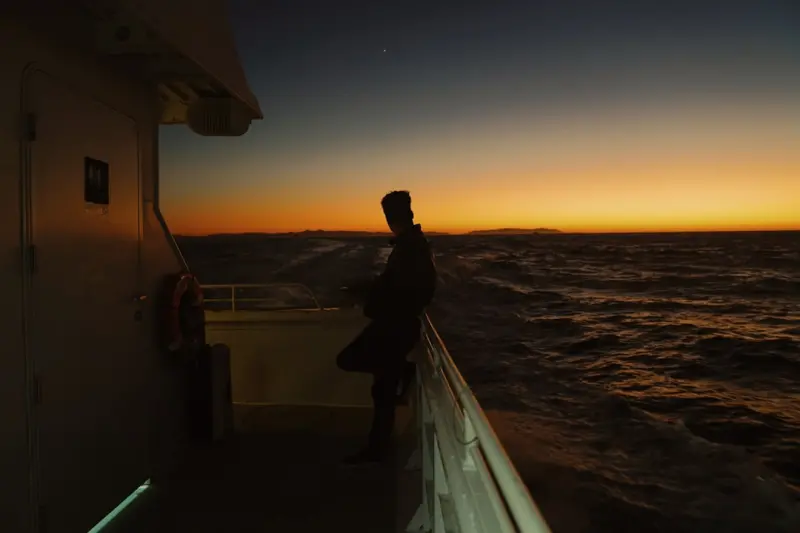
When the Horizon Becomes a Canvas: Crafting Narrative‑Driven Journeys
There’s a quiet thrill in stepping off a plane, train, or bus and realizing the world outside your window is not just a backdrop—it’s a story waiting to be written. As someone who’s spent more nights sleeping in hostels than in any single bedroom, I’ve learned that the most unforgettable trips aren’t the ones with the biggest itineraries, but the ones that feel like chapters in a novel you can’t put down. This piece is an invitation to re‑imagine travel as a deliberate act of storytelling, where every bite, every sound, and every fleeting encounter is a sentence that builds toward a richer narrative.
Why Travel Needs a Narrative Lens
Most guidebooks promise “must‑see” attractions, but they rarely ask, “What story do you want to tell yourself when you return home?” When you travel with a narrative in mind, you start to see the world through the eyes of a protagonist, not just a tourist. This shift does three things:
- Deepens engagement. You’re not just snapping photos; you’re gathering plot points.
- Boosts memory retention. Stories are easier for our brains to archive than isolated facts.
- Creates personal meaning. The journey becomes a chapter in your own life’s book, not a random list of checkboxes.
Think of Curiosity‑First Travel as the philosophy that encourages you to chase the unanswered questions, but narrative‑driven travel takes it a step further: you decide on the theme, the conflict, and the resolution before you even pack your bag.
Choosing Your Travel Narrative
Every good story begins with a premise. Here are five narrative frameworks you can adopt for your next adventure. Pick the one that resonates, or blend them for a hybrid tale.
1. The Quest for a Forgotten Recipe
Food is culture in bite‑size form. Imagine traveling to a remote village to learn the preparation of an ancient dish that’s on the brink of extinction. Document the hunt for the right ingredients, the conversation with the elder who guards the secret, and the moment you finally taste the result. The narrative arc is clear: call to adventure → trials → triumph.
2. The Urban Detective
Swap the countryside for a bustling metropolis, and become a sleuth piecing together the city’s hidden history. Follow clues left in graffiti, whispered in market stalls, or etched into the brickwork of abandoned warehouses. Each discovery is a clue that brings you closer to solving the “mystery” of the city’s soul.
3. The Healing Pilgrimage
Some journeys are about restoration. Maybe you’re chasing the sunrise over a sacred mountain, or seeking the silence of a desert monastery. The narrative here is internal: you confront personal doubts, find moments of stillness, and return transformed.
4. The Creative Sprint
Set yourself a creative challenge—write a haiku a day, sketch a street corner, or record a short podcast episode in each locale. The story is your output, and each stop is a new prompt. This approach turns travel into a series of creative sprints, each feeding the next.
5. The Connection Collector
Instead of “how many countries,” count “how many meaningful conversations.” Your protagonist’s mission is to gather stories from strangers, each one a thread that weaves a tapestry of shared humanity. The climax? A compilation of those stories, perhaps as a digital zine or a printed booklet.
Mapping the Narrative: From Plot to Packing List
Once you’ve chosen a framework, treat the logistics like a story board. Here’s a step‑by‑step guide to converting narrative intent into tangible plans:
- Define the central conflict. What obstacle will you face? It could be a language barrier, a physical trek, or an internal fear.
- Identify supporting characters. These are the locals, fellow travelers, or even a particular café that will play a role in your story.
- Set milestones. Plot points such as “arrive at the market,” “meet the chef,” or “record the night sounds” help keep the narrative momentum.
- Choose sensory anchors. Decide on sounds, smells, or textures you’ll deliberately notice—this is where Micro‑Immersions become powerful tools.
- Pack for purpose. If you’re a writer, bring notebooks; if you’re an audio enthusiast, pack a portable recorder; if you’re a visual storyteller, choose a lightweight camera.
Micro‑Immersions: The Building Blocks of a Bigger Story
Micro‑Immersions are those tiny, intentional pauses that turn ordinary moments into memorable vignettes. While you’re strolling through a bustling night market, instead of rushing past the sizzling stalls, pause for two minutes. Listen to the vendor’s chant, inhale the blend of spices, and jot a single line that captures the atmosphere. Later, when you stitch these micro‑moments together, they become the texture of your larger narrative.
Here are five micro‑immersion techniques you can weave into any travel plot:
- Sound Scavenger Hunt. Record three distinct sounds at each stop—a church bell, a street performer’s guitar, the hum of a train station. Use them as audio bookmarks.
- Scent Snapshots. Keep a small vial of scented cotton for each location—cinnamon from a Turkish bakery, sea salt from a Mediterranean shore.
- Tactile Touchpoints. Run your fingers over a centuries‑old stone wall or a woven tapestry, noting the texture in a journal.
- Flavor Flashcards. Taste one local snack per day and write a one‑sentence review, focusing on the memory it triggers.
- Visual Vignettes. Instead of photographing the whole skyline, capture a single, compelling detail—a cracked window, a street sign, a child’s laugh.
These bite‑sized experiences are the chapters that give your travel novel depth and authenticity.
Documenting the Journey Without Over‑Recording
In the age of endless content creation, there’s a temptation to capture everything. But a narrative‑driven traveler learns to be selective, preserving the story’s integrity. Here’s a minimalist documentation workflow:
- Morning Intent. Before you step out, write a one‑sentence intention for the day’s story arc.
- Mid‑day Micro‑Log. Use a voice memo (under a minute) to capture the most vivid impression.
- Evening Reflection. Spend ten minutes writing a short paragraph that ties the day’s events back to the central conflict.
- Weekly Synthesis. At the end of each week, compile the entries into a single narrative thread, noting any emerging themes.
This approach prevents the “data dump” syndrome and keeps your story cohesive.
Turning Narrative Travel into a Career Asset
For professionals, especially those in creative or leadership roles, a narrative travel experience can become a portfolio piece. Here’s how to leverage it:
- Storytelling Workshops. Use your travel narrative as a case study in workshops on brand storytelling or leadership communication.
- Content Marketing. Break down your journey into a series of blog posts, each focusing on a different narrative element—conflict, resolution, character development.
- Strategic Insight. Highlight moments where you navigated uncertainty, akin to navigating market volatility, and draw parallels for business strategy.
The key is to frame your travel as a lived example of the skills you champion at work: curiosity, resilience, and the ability to synthesize disparate experiences into a coherent story.
Case Study: A Narrative Journey Through the Silk Road
To illustrate the method, let me walk you through a recent trip I took along the historic Silk Road, structured as a “Quest for a Forgotten Recipe.” The premise was simple: find the ancient spice blend once used by caravan traders to preserve their provisions.
Day 1 – The Call to Adventure: I arrived in Kashgar, a city that still feels like a caravan stop from centuries past. My first micro‑immersion was listening to the call to prayer echoing against mud‑brick walls, a sound that instantly set the tone of reverence.
Day 3 – The Trials: In a bustling bazaar, I negotiated with a spice merchant. The language barrier forced me to rely on gestures and the universal language of taste. I sampled a dusty, amber powder that tasted of cumin, coriander, and something I couldn’t place—perhaps a hint of dried apricot. The merchant smiled, realizing my curiosity, and offered to take me to a family-run kitchen.
Day 5 – The Mentor: The family, a lineage of bakers, introduced me to the concept of “Yum‑shur,” a blend passed down from the Silk Road era. I recorded their story on a portable recorder, capturing their laughter and the clatter of the wooden mortars. This audio snippet became a pivotal scene in my narrative.
Day 7 – The Resolution: Back at my modest guesthouse, I recreated the blend, using the scented cotton I’d collected from the market to remind myself of the spices’ origins. The final taste was both familiar and exotic—a perfect metaphor for the journey itself.
When I returned home, I transformed this experience into a three‑part blog series, a short podcast episode, and a visual essay for a design conference. The narrative framework made the story compelling and adaptable across mediums.
Practical Tips for the Narrative‑Driven Traveler
- Carry a “Story Kit.” A small notebook, a pen, a compact recorder, and a portable charger are your essential tools.
- Set Boundaries. Allocate specific times for documentation so the rest of the day remains immersive.
- Embrace Uncertainty. Let the plot twist naturally; the most memorable chapters often arise from unexpected detours.
- Engage All Senses. Sight and sound are obvious; scent, touch, and taste add depth that photographs alone can’t convey.
- Share Selectively. When you publish, choose the moments that serve the overarching narrative, not just the most sensational.
Conclusion: Your Story Awaits
Travel is inherently narrative—it’s a series of departures and arrivals, of questions asked and answers discovered. By consciously framing each trip as a story you’re authoring, you turn ordinary wanderings into a personal saga that fuels creativity, enriches professional life, and leaves a lasting imprint on your memory.
So the next time you book a flight, ask yourself: What chapter am I about to write? Pack your curiosity, bring a notebook, and let the horizon become your canvas.

Brad Hays is a freelance writer known for his versatile skill set and ability to craft compelling content across a wide range of industries.
Related Posts
Travel as a Language Lab: One Phrase a Day to Unlock Hidden Worlds
Learn the power of a single daily phrase to turn ordinary trips into immersive cultural adventures, ... Read More

Travel Light, Live Large: The Minimalist Packing Playbook
Discover a step‑by‑step minimalist packing strategy that frees you from heavy luggage, enhances ... Read More
Travel as a Sensory Storytelling Canvas
A guide to enriching your travels by deliberately engaging sight, sound, smell, taste, and touch, tu... Read More
Top Posts

Creating Calming Nooks: Low‑Tech Strategies for Home Focus
A practical guide to crafting low‑tech calming corners in your home, using everyday items and mindful design to enhance focus and well‑being....Read More

Turning Inbox Overload into a Mindful Flow: A New Approach to Workplace Mental Health
Learn a four‑phase “Mindful Inbox” method that turns email overload into a structured, stress‑free routine, boosting mental health and workplace perform...Read More

AI as Your Personal Thought Partner
A conversational AI can evolve from a simple utility into a trusted thought partner, helping SaaS teams generate ideas, challenge assumptions, and turn insights...Read More

Beyond Burnout: How Playful Digital Spaces Rewire Our Brain for Calm
A deep dive into how playful digital spaces—interactive zones, adaptive lighting, and gamified challenges—can transform workplace mental health, reduce burn...Read More
0 Comments
Post Comment
You will need to Login or Register to comment on this post!