

Why Breath Is the Unsung Hero of Modern Health
When I first started juggling back‑to‑back client calls, sprint‑style project deadlines, and a never‑ending inbox, I thought I needed a new productivity app or a magic caffeine blend to stay afloat. What I didn’t realize was that the most powerful tool was already sitting on my desk, waiting for me to notice it: my own breath.
Most of us treat breathing as a background process—something we do without thinking, like blinking. Yet, the way we inhale and exhale can be a dial that instantly shifts our nervous system from “fight‑or‑flight” to “rest‑and‑digest.” In the noisy, hyper‑connected world we inhabit, mastering that dial can be the difference between thriving and merely surviving.
In this post I’ll break down the science, bust a few myths, and hand you a step‑by‑step breathing playbook you can embed into any workday, no matter how chaotic.
The Science: How Breathing Talks to Your Brain
Every breath you take is a conversation between two major players: the autonomic nervous system (ANS) and the prefrontal cortex. The ANS, which controls involuntary functions, has two branches: the sympathetic (the “alarm” system) and the parasympathetic (the “calm” system). When you take rapid, shallow breaths—common during stressful meetings—you amplify sympathetic activity, flooding the brain with cortisol and adrenaline.
Conversely, slow, diaphragmatic breathing triggers the vagus nerve, the primary conduit of the parasympathetic branch. Activation of the vagus nerve releases acetylcholine, which reduces heart rate, lowers blood pressure, and promotes the release of brain‑derived neurotrophic factor (BDNF), a protein linked to improved focus and memory.
Research from the Harvard Medical School shows that a simple 4‑7‑8 breathing pattern (inhale for 4 seconds, hold for 7, exhale for 8) can cut anxiety scores by up to 30% after just two weeks of practice. The trick isn’t the numbers themselves; it’s the intentional pause that allows the parasympathetic system to catch up.
Common Misconceptions (and Why They’re Wrong)
- “I’m not a yogi, so breathwork isn’t for me.” – Breath techniques are stripped‑down tools, not a prerequisite for a full yoga practice. All you need is a chair and a few minutes.
- “If I breathe deeper, I’ll get dizzy.” – Dizziness occurs when you hyperventilate (excessive CO₂ loss). Controlled, slow exhalations keep CO₂ levels stable.
- “I have to do it for 20 minutes to see results.” – Even a 60‑second reset can lower heart rate variability (HRV) markers in the moment. Consistency trumps duration.
Four Practical Breathing Techniques You Can Start Today
Below are my go‑to methods, each with a specific use case. Feel free to experiment and see which feels most natural.
- Box Breathing (4‑4‑4‑4) – Ideal for high‑pressure presentations. Inhale for four counts, hold four, exhale four, hold four. Repeat four cycles.
- Resonant Breathing (5‑5) – Aim for five breaths per minute (inhale for five, exhale for five). This cadence maximizes HRV and is perfect for pre‑meeting calm.
- Alternate Nostril Breathing – Close the right nostril, inhale left, switch, exhale right, then repeat. Balances hemispheric activity; great for creative brainstorming.
- Coherent Exhale – Inhale naturally, then exhale for twice the length of the inhale (e.g., inhale 3 seconds, exhale 6). This simple pattern is excellent for winding down after a long day.
Integrating Breathwork Into a Busy Day
Here’s how I weave breathing into my routine without disrupting workflow:
- Morning Anchor – As soon as I sit at my desk, I close my laptop for 30 seconds and do two rounds of resonant breathing. It sets a calm baseline before the inbox avalanche.
- Meeting Reset – Before any virtual call, I cue a single box‑breath. It not only steadies my voice but also signals confidence to the team.
- Screen‑Time Break – Every hour, I schedule a microbreak that includes a 60‑second coherent exhale. My eyes get a rest, and my brain hits the reset button.
- End‑of‑Day Wind‑Down – I dim the lights, put on a calming playlist, and perform a five‑minute box‑breathing session. This ritual signals to my nervous system that it’s time to transition from work mode to personal time.
Measuring Progress Without a Lab
Not everyone has a heart‑rate variability monitor, but you can still gauge the impact:
- Subjective Scale – Rate your stress level from 1–10 before and after a breathing session. Look for a 2‑point drop over a week.
- Performance Metrics – Notice if you’re making fewer typing errors or finishing tasks more quickly after incorporating breathwork.
- Sleep Quality – Track how quickly you fall asleep and how refreshed you feel in the morning. Breath‑induced parasympathetic activation often leads to deeper, more restorative sleep.
Beyond the Breath: Complementary Practices
Breathing is a powerful foundation, but pairing it with a few other low‑effort habits can amplify results:
- Strategic Light Exposure – Exposure to natural light in the morning helps regulate circadian rhythms, making your evening breathing sessions even more effective. For a deeper dive, see how at‑home light therapy.
- Cold Splash – A quick face splash with cold water after a breathing round can further stimulate the vagus nerve. The cold exposure post is a great primer if you want to explore this angle.
- Physical Micro‑Movements – A few shoulder rolls or neck stretches while you breathe can release muscular tension that often masquerades as mental stress.
Personal Anecdote: My First 30‑Day Challenge
Six months ago, I committed to a 30‑day breathwork challenge. Each morning I logged the duration and type of breathing I did, then recorded a quick self‑assessment of focus, anxiety, and energy. By day ten, my HRV (measured via my smartwatch) had risen 12%, and I was catching myself mid‑sentence during meetings—something that used to happen when I was overwhelmed. By the end of the month, my email response time dropped by 18%, and I felt a persistent sense of “lightness” that persisted even on the busiest days.
What surprised me most? The transfer effect. The calm I cultivated during a five‑minute box‑breath before a call lingered into the next client meeting, the next brainstorming session, and even into my evening walk. Breathwork didn’t just reduce stress; it reshaped my baseline state of alertness.
Common Pitfalls and How to Avoid Them
Even a simple habit can go sideways if you’re not mindful:
- Inconsistent Practice – Skipping days erodes the nervous system’s ability to “learn” the new pattern. Set a non‑negotiable cue (e.g., after coffee) to anchor the habit.
- Over‑thinking the Technique – If you get too caught up counting breaths, you may add mental load. Use a timer or a subtle breathing app to keep the focus on the sensation of air moving.
- Ignoring Physical Comfort – Sit upright with shoulders relaxed. A slumped posture constricts the diaphragm and reduces the efficacy of diaphragmatic breathing.
Scaling Breathwork for Teams
One of the most rewarding aspects of this practice is its scalability. I’ve introduced a “Two‑Minute Reset” into our weekly sprint retrospectives:
- Everyone closes their laptops.
- We count down together: inhale, hold, exhale.
- We transition into the discussion feeling grounded.
The result? Shorter, more focused meetings and a measurable boost in team morale. If you’re a leader, try incorporating a brief breathing checkpoint at the start of your next all‑hands.
Conclusion: Make Your Breath Your First Productivity Tool
In a world that constantly pushes us toward faster, louder, and busier, the most potent antidote is often the simplest: a mindful inhale and exhale. By treating breath as a deliberate performance lever, you’ll not only calm the mind but also sharpen focus, improve decision‑making, and sustain energy throughout the day.
Give it a try. Set a timer, pick a technique, and notice the ripple effect across your work, relationships, and overall well‑being. Your future self will thank you for the extra seconds you stole from the endless scroll.

Shawn DesRochers is a certified Microsoft technician and Programmer with 30+ year's experience. He has written many reviews on computer related products, software, and SEO related topics. When he's not writing reviews he can be found at one of the Oldest Directories Online Blogging Fusion Business Directory which he is the CEO of.
Related Posts

Why I’m Making Forest Bathing My Daily Productivity Hack
Amanda shares her journey of swapping desk time for brief forest bathing sessions, detailing science... Read More

Illuminating Health: How Light Shapes Your Body and Mind
Light is a silent regulator of our hormones, mood, and sleep. This article unpacks the science of li... Read More
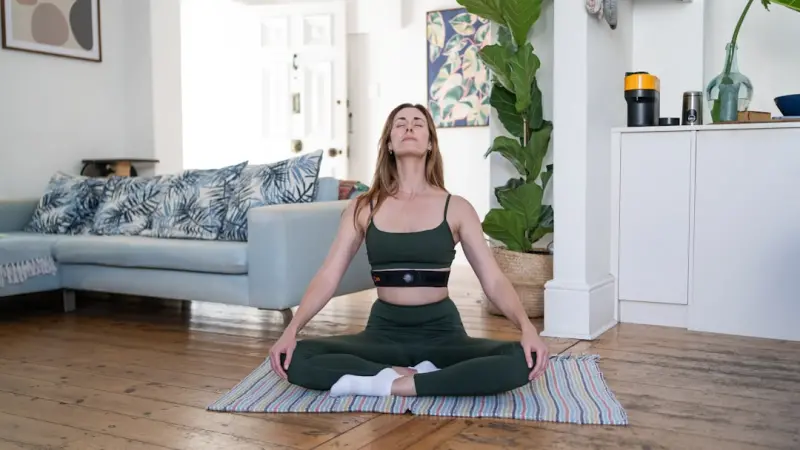
Breathing Into Balance: Simple Practices That Supercharge Your Body and Mind
Explore the science and practical steps behind breathwork, a zero‑cost health tool that balances t... Read More
Top Posts

Cultivating a Year‑Round Edible Oasis: Turning Your Backyard into a Food‑First Sanctuary
A practical guide to transforming any backyard into a thriving, year‑round edible oasis, blending sustainability, flavor, and wellness in one green space....Read More

Digital Sunset: Reclaiming Evening Calm for Personal Care
Margaret Thomson shares her personal “digital sunset” routine, a nightly unplugging practice that blends low‑tech habits, microbreaks, and gentle light th...Read More

Why My Garden Desk Became the Soul of My Home
A garden desk isn’t just a workspace—it’s a sanctuary where home life, productivity, and nature converge, sparking creativity and well‑being....Read More

Micro‑Escapes: Tiny Sensory Shifts for Big Mental Health Gains
Micro‑escapes are brief, intentional sensory pauses—like a 30‑second nature sound or a quick far‑focus glance—that recalibrate the brain, improve focu...Read More
0 Comments
Post Comment
You will need to Login or Register to comment on this post!