

Finding Freedom in the Soil
When I first set my laptop on a reclaimed wooden table beneath a canopy of basil and rosemary, I felt an unexpected surge of liberation that stretched far beyond the confines of my home office, as the scent of fresh herbs mingled with the gentle hum of distant birds, turning a routine workday into a sensory retreat that sparked creativity and focus in equal measure; this moment marked the beginning of my personal garden‑desk journey, a testament to how a simple shift in environment can rewrite the narrative of productivity and well‑being. The experience taught me that the outdoors is not merely a backdrop but an active participant in our mental processes, offering a living, breathing backdrop that constantly reshapes itself with the seasons, inviting us to adapt, grow, and thrive alongside it. Over time, I discovered that the rhythm of sunlight and the rustle of leaves provide a natural cadence that helps me transition smoothly between deep work and restorative breaks, a balance that traditional four‑wall offices rarely afford.
In the weeks that followed, my garden desk evolved from a novelty into a strategic asset, as I began to notice measurable improvements in focus duration, idea generation, and even my overall mood, which seemed to lift whenever I stepped onto the soft grass and settled into the ergonomic chair I’d crafted from reclaimed pallet wood; the tactile connection to the earth reminded me that my work is part of a larger ecosystem, encouraging a sense of responsibility and stewardship that spilled over into my project choices. This shift also revealed the subtle power of ambient sound— the distant chatter of squirrels, the whisper of wind through leaves— acting as a gentle white noise that masks the harsh clatter of city traffic and allows the mind to settle into a state of flow without the fatigue associated with sterile, echo‑filled rooms. By embracing the garden desk, I inadvertently cultivated a habit of stepping outside for brief, mindful pauses, each one refueling my mental reserves and reinforcing a healthy work‑life rhythm that feels both sustainable and deeply rewarding.
Research supports what my own experience has confirmed: exposure to natural light boosts serotonin production, while the presence of greenery reduces cortisol levels, creating a physiological environment conducive to sustained concentration and creativity; for those curious to explore the broader implications of this trend, the article Why Garden Desks Are the Secret Weapon for a Thriving Home & Garden Life delves into the science behind the boost in well‑being and productivity that many garden‑desk enthusiasts report. Moreover, the integration of a garden desk into daily routines aligns with the growing movement toward biophilic design, a principle that emphasizes the human need to connect with nature, which architects and interior designers increasingly champion for its ability to enhance both physical health and emotional resilience. As more professionals adopt this approach, we are witnessing a subtle yet powerful shift in workplace culture that values flexibility, mental health, and the restorative power of the outdoors as core components of success.
Designing a Garden Desk That Works for You
Choosing the right location for your garden desk involves a careful blend of practicality and personal preference, as you must consider factors such as sunlight exposure, wind protection, and proximity to essential utilities like power outlets or water sources, all while ensuring the space feels intimate enough to foster focus yet open enough to invite the invigorating presence of nature; a thoughtfully positioned desk near a mature oak can provide dappled shade in the summer and a gentle breeze in the spring, creating a micro‑climate that enhances comfort throughout the year. Selecting materials that harmonize with the surrounding landscape is equally important, with reclaimed wood, weather‑resistant metal, and sustainably sourced stone offering durability and aesthetic appeal that age gracefully as they develop a patina reflective of the seasons passing by. To maximize ergonomics, incorporate adjustable seating, a monitor stand, and a portable shade canopy, which together allow you to maintain proper posture and protect your equipment from unexpected rain showers while preserving the seamless integration of work and garden.
Lighting is another crucial element that can transform a garden desk from a daytime novelty into a versatile, year‑round workspace; solar‑powered LED strips, strategically placed lanterns, and low‑glare task lights provide ample illumination for evening tasks without overwhelming the natural ambiance, while also reducing reliance on grid electricity and reinforcing an eco‑friendly ethos that aligns with the garden’s purpose. Adding layers of greenery through potted herbs, climbing vines, or vertical gardens not only enhances visual appeal but also improves air quality, creating a healthier breathing environment that can boost cognitive function and reduce fatigue, a benefit supported by studies linking indoor plants to increased productivity. For those seeking a touch of personalization, integrating handcrafted elements such as a mosaic tabletop, a reclaimed barn door backdrop, or a custom‑built storage bench can infuse the space with personality, turning the garden desk into a true extension of your home’s narrative and a source of pride each time you sit down to work.
When you’re ready to take the plunge, consider exploring the comprehensive guide Garden Desks: Turning Your Backyard Into a Productivity Oasis, which offers step‑by‑step instructions on site preparation, material selection, and maintenance strategies that ensure your outdoor office remains functional and beautiful for years to come; this resource also highlights budget‑friendly alternatives and DIY hacks that empower even novice gardeners to craft a space that feels both luxurious and grounded. As you plan, remember that flexibility is key—design your desk with modular components that can be rearranged as your needs evolve, whether you need extra tabletop surface for collaborative brainstorming or a compact setup for focused writing sessions. By approaching the design process with intentionality and an eye for sustainable solutions, you’ll create a garden desk that not only elevates your work performance but also deepens your connection to the natural world, turning every workday into a mindful, rewarding experience.
Maintaining Balance and Growing Forward
Once your garden desk is up and running, the ongoing task of maintaining both the workspace and the surrounding garden becomes a rhythmic practice that reinforces the very principles of balance and stewardship that attracted you to the concept in the first place, as regular pruning, soil enrichment, and seasonal planting ensure that the environment remains vibrant, productive, and conducive to focused work. Establishing a simple maintenance schedule—such as a weekly sweep of debris, a bi‑weekly check of hardware for rust or wear, and a monthly assessment of plant health—helps prevent small issues from escalating into major disruptions, while also providing a natural cadence of outdoor activity that breaks up sedentary habits and promotes physical movement. Integrating mindful rituals, like a short meditation while watering the herbs or a brief stretch beneath the canopy after a long video call, further embeds wellness into the daily routine, making the garden desk not just a place to check off tasks but a holistic sanctuary that nurtures body, mind, and spirit.
Adapting to the garden’s seasonal changes is another facet of sustainable productivity; during hotter months, you might shift the desk under a pergola equipped with breathable fabric shades to mitigate heat, while in cooler periods, portable heaters or a snug blanket can transform the space into a cozy nook that invites focused reading or strategic planning, all without sacrificing the connection to the outdoors that fuels your creativity. The flexibility of a garden desk also encourages experimentation with different work styles—perhaps you’ll find that brainstorming sessions blossom best amid the fragrant scent of blooming lavender, whereas analytical tasks thrive under the steady, filtered light of a late‑afternoon sun, allowing you to tailor the environment to the cognitive demands of each project. By remaining attuned to the garden’s rhythms and responding with thoughtful adjustments, you cultivate a resilient workflow that can weather both weather and workload fluctuations with grace.
Ultimately, the garden desk experience is a living lesson in the power of intentional design, continual care, and the joy of aligning professional aspirations with natural cycles; as you watch seedlings sprout, vines climb, and the sun trace its arc across the sky, you’ll find that the very act of tending to your outdoor office mirrors the nurturing required for personal and career growth, a synergy that has been eloquently captured in the narrative How My Garden Desk Reinvented My Work Life. Embrace the subtle victories— a completed report finished under the shade of a maple, a breakthrough idea sparked by the gentle rustle of leaves— and let them reinforce the belief that productivity and well‑being are not mutually exclusive but are, in fact, intertwined threads of a richer, more balanced life. By honoring this philosophy, your garden desk will continue to evolve as a dynamic, inspiring hub that supports not only your current projects but also the future chapters of your home and garden story.

When it comes to the world of blogging and writing, Rose DesRochers is a name that stands out. Her passion for creating quality content and connecting with her audience has made her a trusted voice in the industry. Aside from her skills as a writer and blogger, Rose is also known for her compassionate nature.
Related Posts
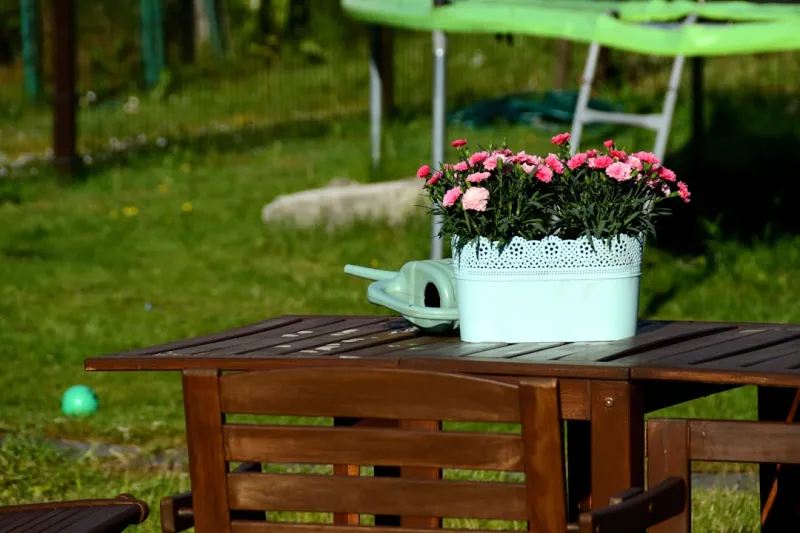
Why My Backyard Garden Desk Became My Home’s Productivity Hub
Transform your home life with a garden desk: boost productivity, improve health, and create a vibran... Read More
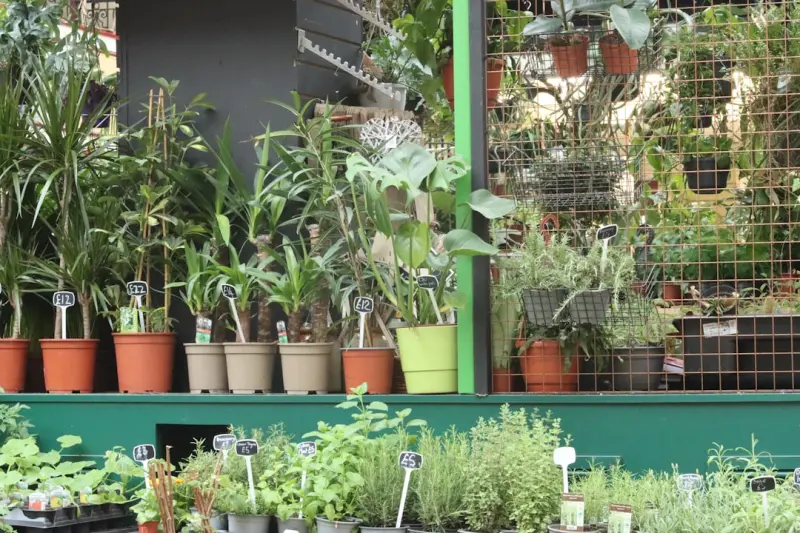
Cultivating a Year‑Round Indoor Herb Garden: Fresh Flavors for Every Season
Learn to turn every corner of your home into a vibrant herb sanctuary, from soil secrets to vertical... Read More

From Garden Soil to Office Success: Rose DesRochers Redefines Home & Garden Living
Rose DesRochers shares her journey of turning a garden desk into a thriving, eco‑friendly office, ... Read More
Top Posts

Employment Pods: Building Agile Micro‑Teams for the Future of Work
Employment pods, small cross‑functional teams with end‑to‑end ownership, are redefining modern work by boosting speed, fostering continuous learning, and ...Read More

Chronobiology Meets Personal Care: Syncing Your Routine with Your Body Clock
Discover how to tailor cleansing, hydration, and active treatments to your body’s natural rhythms, turning daily routines into science‑backed self‑care ri...Read More

Fermented Foods: The Unsung Heroes of Gut‑Brain Wellness
Explore the powerful link between fermented foods and the gut‑brain axis, with easy starter kits, recipes, and troubleshooting tips to elevate your health....Read More

Work‑Flow Communities: The Next Evolution of Remote Employment
Remote work has exposed the limits of traditional teams. This post introduces work‑flow communities—dynamic, purpose‑centric networks that align skill por...Read More
0 Comments
Post Comment
You will need to Login or Register to comment on this post!