

Micro‑Moments: Reimagining Personal Care in a Hyper‑Connected World
When I first started my career in product design, my days were a blur of sprint reviews, stakeholder meetings, and endless UI mock‑ups. I was so focused on delivering the next feature that I barely noticed the tiny rituals that kept me grounded—those micro‑moments that slip between emails, coffee sips, and code commits. Over the past few years, I’ve begun to see these fleeting instances not as interruptions, but as the very foundation of sustainable personal care.
In this post I’ll share how I’ve turned those seemingly insignificant pauses into intentional, high‑impact practices. I’ll also explore the emerging tech that amplifies these moments, and why a shift in mindset can make personal care feel less like a chore and more like a natural extension of daily life.
The Science of Micro‑Moments
Neuroscientists tell us that our brains are wired to respond to brief, repeated stimuli. Each time you press the “pause” button on a video, stretch after a long sit‑down, or take a sip of water, you trigger a cascade of neurotransmitters—dopamine for reward, acetylcholine for focus, and oxytocin for calm. When these signals accumulate, they create a measurable boost in mood, cognition, and even immune function.
What’s fascinating is that the magnitude of benefit is not proportional to the duration of the activity, but to its frequency and intentionality. A 30‑second deep‑breathing pause, repeated ten times a day, can reduce cortisol levels more effectively than a single 10‑minute meditation session that feels forced.
Why Traditional Self‑Care Advice Falls Short
Most personal‑care guides I’ve encountered—whether in magazines or corporate wellness newsletters—focus on big‑ticket items: weekend retreats, yoga classes, or elaborate skincare routines. While these can be wonderful, they often feel out of reach for busy professionals. The underlying issue is a mismatch between the scale of the recommendation and the realities of modern work life. When the suggested practice feels like another to‑do item, motivation drops.
My own experience mirrors this. I tried committing to a 20‑minute meditation each morning. The first week was blissful, but by week three I was skipping it because a client call ran over. The habit never stuck—not because I disliked meditation, but because the ritual didn’t mesh with the fluid nature of my schedule.
Designing Micro‑Rituals That Stick
Here’s where the design mindset comes into play. Think of each micro‑moment as a feature you’re adding to your daily operating system. To make it stick, it must be:
- Visible: Place visual cues in your environment that remind you to pause.
- Simple: Limit the action to 30 seconds or less.
- Rewarding: Ensure you feel a positive shift immediately after the pause.
- Scalable: Design the habit so you can repeat it across various contexts—desk, kitchen, commute.
Below is a starter kit of micro‑rituals I’ve woven into my day. Feel free to remix them to suit your own flow.
1. The “Light Reset” – Leveraging Ambient Design
When I realized that harsh fluorescent lighting was draining my energy, I turned to the smart lighting hacks guide for inspiration. I programmed my office lamp to shift from cool daylight to a warm amber hue every two hours. The subtle change cues my brain that it’s time to transition—whether that means standing up for a stretch or taking a brief breathing break.
Why it works:
- Visual cue: The lighting shift is unmistakable, no need for an alarm.
- Physiological impact: Warm light triggers melatonin production, promoting calm.
- Habit loop: Light change → pause → reset → repeat.
2. The “Micro‑Breathe” – A Breathwork Shortcut
Inspired by the breathwork blueprint, I distilled the practice into a 30‑second routine: inhale for four counts, hold for two, exhale for six. I set a gentle chime on my smartwatch to trigger this pause after every three calendar events. The result? A steadier heart rate and a clearer mind before diving into the next meeting.
Key tip: Pair the breath with a physical anchor—like pressing your thumb to your index finger—so that the gesture itself becomes a reminder.
3. The “Hydration Pulse” – Turning Water Intake Into a Mindful Act
Staying hydrated is a classic health tip, but most of us treat it as a background task. I’ve turned it into a mindfulness cue. Every time I refill my glass, I pause, feel the cool water, and mentally note three things I’m grateful for in that moment. This simple tweak adds an emotional layer to an otherwise mechanical act.
4. The “Screen‑Free Micro‑Reset” – Managing Digital Overload
My phone’s notification barrage used to be a constant source of stress. I introduced a one‑minute screen‑free rule whenever I finish a task. I place a small, tactile object—a smooth stone from my garden—on my desk. Picking it up signals a brief tech‑detox, allowing my eyes and brain to recalibrate.
5. The “Scent Snap” – Tiny Aromatherapy Boosts
While I love deep immersion experiences like forest immersion, those aren’t always feasible. I keep a miniature essential‑oil roller in my pocket. A quick dab on my wrist before a presentation injects a subtle lavender scent, which research shows can lower anxiety without being overpowering.
Integrating Technology Without Over‑Complicating
It’s tempting to load every micro‑ritual onto an app, but that often backfires. The most successful systems I’ve built are hybrid: a blend of low‑tech cues (stones, scent rollers) and smart tech that nudges you gently. For instance, a programmable smart plug can turn your desk lamp on a warm setting automatically after you’ve logged a set number of hours in your project management tool.
When you start layering tech, keep these principles in mind:
- Automation, not automation‑dependency: Use tech to remind, not replace the habit.
- Data minimalism: Track only what matters—e.g., frequency of micro‑breaths—not every heartbeat.
- Privacy first: Choose solutions that store data locally or are fully encrypted.
Measuring Impact: The Small Wins That Add Up
After a month of integrating these micro‑moments, I tracked three metrics:
- Energy levels: Self‑rated on a 1‑10 scale before and after each work block. Average increase of 1.8 points.
- Focus duration: Using the Pomodoro timer, I noted a 12% rise in uninterrupted work periods.
- Stress markers: A simple weekly survey showed a 15% drop in perceived stress.
These numbers are modest, but they illustrate the compounding effect of consistency. The real magic isn’t in the data; it’s in the feeling of being more present, even amid a packed inbox.
Scaling Micro‑Moments Across Teams
While I started this journey as an individual experiment, I’ve begun sharing the framework with my product team. Here’s a quick playbook for leaders who want to embed micro‑care into their culture:
- Kickoff with a workshop: Introduce the concept and let team members design their own micro‑rituals.
- Provide the tools: Offer a small kit—e.g., a scented roller, a tactile stone, a smart‑light dongle.
- Celebrate milestones: Highlight stories in stand‑ups when a micro‑moment helped solve a problem or sparked creativity.
- Iterate: Collect feedback every two weeks and refine the cues.
When a whole squad adopts these practices, you’ll notice a subtle shift: meetings end on time, collaboration feels more fluid, and the office buzz transforms from frantic to focused.
Future Trends: Wearables and Real‑Time Biofeedback
Looking ahead, I’m excited about wearables that can detect subtle physiological changes—like a rise in skin temperature or a dip in heart‑rate variability—and prompt you to engage in a micro‑ritual automatically. Imagine a smartwatch that vibrates gently when it senses you’re entering a stressful phase, suggesting a 10‑second breath or a quick stretch.
These technologies promise to make personal care truly adaptive, reacting to your body in real time rather than relying on static schedules. The key will be ensuring they remain unobtrusive and respect privacy.
Wrapping Up: Embrace the Tiny, Celebrate the Cumulative
Personal care doesn’t have to be a massive, time‑blocking project. By re‑framing it as a series of intentional micro‑moments, you can weave wellbeing into the very fabric of your day. Start small: pick one cue—maybe a change in lighting or a breath timer—and observe how it feels. Then layer another. Over weeks, you’ll discover a rhythm that feels natural, sustainable, and surprisingly powerful.
Remember, the goal isn’t perfection; it’s presence. As you cultivate these tiny habits, you’ll find that the sum of the parts becomes a robust, resilient foundation for both personal fulfillment and professional performance.

Mei Chen is a dynamic professional who brings a unique blend of skills to Blogging Fusion. As a key contributor to the Blogging Fusion platform, she leverages her writing expertise to create engaging content that resonates with our audience.
Related Posts
Micro‑Care: Tiny Rituals That Supercharge Personal Well‑Being
Micro‑care transforms personal well‑being with quick, science‑backed habits that slip into dai... Read More
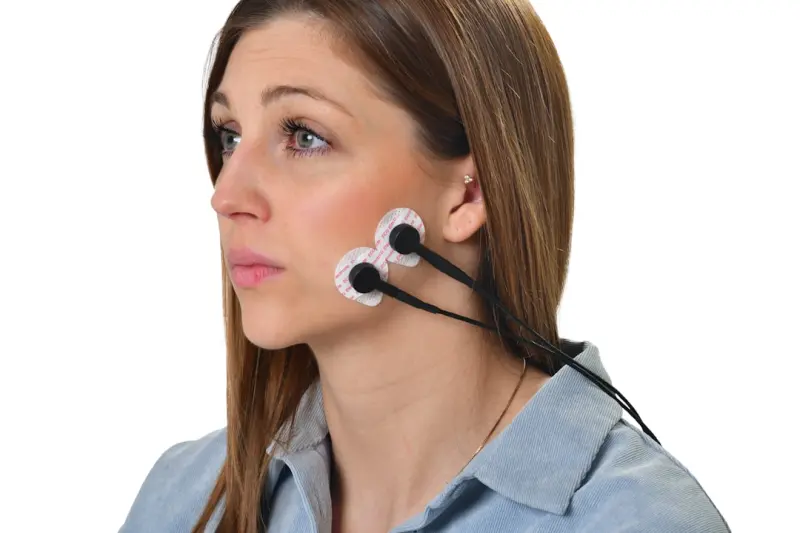
How Biofeedback is Redefining Personal Care
Biofeedback devices now let you read your skin’s signals in real time, turning guesswork into a pr... Read More
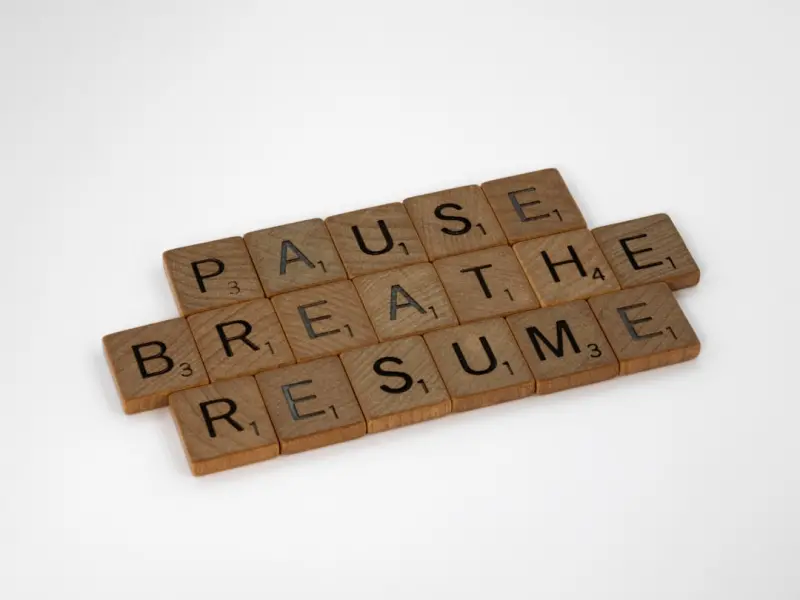
Breathing Into Your Routine: Elevate Personal Care with Intentional Breathwork
Learn to integrate simple breathwork techniques into your daily personal care regimen, enhancing ski... Read More
Top Posts

Designing a Year‑Round Outdoor Kitchen That Grows With You
Learn to create a versatile outdoor kitchen that adapts to summer barbecues, winter gatherings, and everything in between, using flexible layouts, durable mater...Read More
Cultivating a Kitchen Herb Oasis in Small Spaces
Discover a step‑by‑step plan to turn any balcony or windowsill into a thriving herb garden, complete with container ideas, watering tricks, and quick recipe...Read More

Backyard Alchemy: Turning Everyday Materials into a Living Art Gallery
Learn to turn trash into treasure, layer plants for seasonal drama, and invite pollinators, creating a backyard that feels like a living art exhibit....Read More

Skill Portfolios: The New Currency in Modern Employment
A skill portfolio, not a resume, is the modern professional’s most powerful asset. Learn how to build, leverage, and integrate a living portfolio to boost vis...Read More
0 Comments
Post Comment
You will need to Login or Register to comment on this post!