
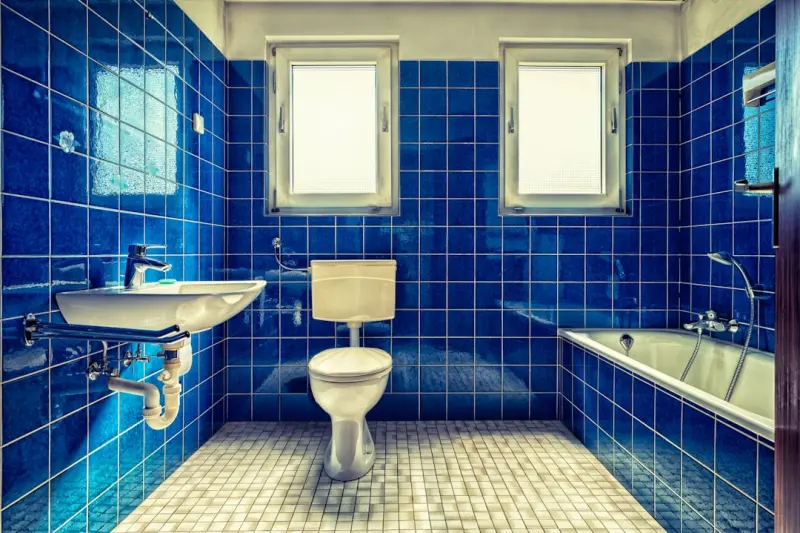
When I was growing up in a bustling city apartment, my bathroom was a cramped corner of tile and chrome, a place where I rushed in, splashed water on my face, and rushed out. It never felt like a sanctuary—just a functional pit stop. Years later, after a stint as a product manager for a wellness startup and countless experiments with mindfulness apps, I realized the bathroom could be far more than a utilitarian space. It could become a deliberate, temperature‑tuned arena for personal care that not only cleanses the skin but also calibrates the nervous system. This is my journey into the world of hot‑and‑cold rituals, and why I now consider them a cornerstone of modern self‑care.
The science behind temperature: why hot and cold matter
Our bodies are exquisite thermodynamic machines. When we expose the skin to heat, blood vessels dilate, delivering oxygen‑rich blood to the surface. This vasodilation not only opens pores for deeper cleansing but also promotes the release of endorphins, giving a subtle mood lift. Conversely, cold exposure triggers vasoconstriction, tightening pores, reducing inflammation, and prompting the release of norepinephrine—a hormone that sharpens focus and can improve skin barrier function.
Research in sports medicine shows that alternating hot‑cold exposure, often called contrast therapy, reduces muscle soreness and accelerates recovery. Translating that to personal care, a brief hot shower followed by a cold splash can accelerate skin cell turnover while simultaneously resetting the autonomic nervous system. The result? A clearer complexion, a calmer mind, and a subtle boost of energy that carries you through the day.
Designing your temperature ritual: step‑by‑step
Creating a temperature ritual doesn’t require a spa‑level renovation. It’s about intentional sequencing and a few smart accessories. Below is a simple framework you can adapt to any space.
- Warm‑up phase (3–5 minutes): Start with a comfortably warm shower (around 38‑40°C/100‑104°F). Let the water cascade over your body, focusing on deep, slow breaths. This phase signals your body to relax, opening pores and preparing the skin for the next step.
- Active cleanse (2 minutes): While the water is still warm, use your favorite cleanser or a gentle exfoliating brush. Because the pores are open, active ingredients penetrate more effectively.
- Cold shock (30‑60 seconds): Gradually turn the temperature down until the water feels crisp. Let the cold water run over your face and neck. The shock closes pores and stimulates circulation.
- Finish with a cool rinse (1 minute): Return to a lukewarm temperature to balance the extremes. Pat your skin dry with a soft towel and apply a moisturizer while the skin is still slightly damp.
Repeat this routine three times a week to begin noticing subtle changes in skin texture and overall mood. For those who crave a deeper dive, consider a dedicated foot bath with alternating hot and cold water, which can improve circulation in the lower extremities—a common area for tension buildup.
Integrating scent and sound for a multi‑sensory experience
If you think temperature alone can transform your bathroom, think again. Pairing hot‑cold cycles with aromatherapy and ambient sound creates a sensory layering approach that amplifies the physiological benefits. A few drops of eucalyptus oil in a diffuser during the warm phase can open nasal passages and enhance the feeling of spaciousness, while a gentle chime or low‑frequency tone during the cold phase helps anchor the mind, making the shock feel purposeful rather than jarring.
In my own routine, I play a low‑tempo ambient playlist that mirrors the water temperature—softer, melodic tones for the warm phase, and a crisp, rhythmic beat for the cold phase. The synergy of temperature, scent, and sound creates a neuro‑sensory loop that trains your brain to associate the ritual with calm focus, turning a simple shower into a holistic reset button.
Micro‑movement: turning bathroom time into a health‑boosting habit
While the water does its work, you can weave in subtle micro‑movement habit that supports joint health and circulation. Simple ankle circles, wrist rolls, or gentle neck stretches while standing under the stream engage muscles that otherwise stay dormant during a typical shower. Over time, these micro‑movements improve flexibility and can reduce the onset of stiffness that many office workers experience.
Here’s a quick micro‑movement sequence you can try:
- While waiting for the water to heat, do 10 ankle rotations each direction.
- During the warm‑up phase, perform 5 slow shoulder rolls forward and backward.
- While the cold water runs over your face, practice a gentle chin‑to‑chest stretch, holding each side for 5 seconds.
These movements are low‑impact and require no extra equipment, yet they add a layer of physical mindfulness that complements the thermal therapy.
Space‑saving tricks for a functional sanctuary
Living in a smaller apartment, I quickly learned that a cluttered bathroom sabotages any ritual. I turned to space‑saving tricks that keep essentials within reach but out of sight. Magnetic strips on the wall hold metal razor handles, while a narrow, tiered shelf tucked behind the door stores jars of essential oils and a compact Bluetooth speaker. Even a simple suction cup organizer on the shower wall can hold a loofah, a small potted herb (like rosemary for its invigorating scent), and a tiny LED timer that reminds you when to switch from hot to cold.
When everything has a home, the bathroom becomes a calm, organized environment that encourages you to linger just a little longer—exactly what you need for the ritual to take effect.
Mindful moments: turning the ritual into a meditation
Temperature therapy is an excellent gateway to meditation because the body provides a built‑in anchor. As the water changes, notice the sensations on your skin—the heat relaxing muscles, the cold tightening them. Label each feeling in the mind: “warmth,” “tightness,” “release.” This labeling practice, a core component of mindfulness, reduces mental chatter and trains the brain to stay present.
For those who prefer a structured meditation, try a 4‑7‑8 breathing pattern during the warm phase: inhale for four seconds, hold for seven, exhale for eight. The rhythmic breathing synchronizes with the water flow, deepening relaxation. When you switch to cold, shift to a rapid, shallow breath for 30 seconds—this mimics the body’s natural response to cold and helps you stay calm during the shock.
Seasonal adaptations: tailoring temperature to climate
Living in a region with distinct seasons means you can adjust the temperature ratios to match the external climate. In winter, extend the warm phase to 7‑8 minutes, allowing the body to slowly raise core temperature without causing a sudden spike that can lead to dizziness. In summer, shorten the warm phase and emphasize the cold shock, which can act as a natural refresher and prevent overheating.
Additionally, seasonal aromatherapy can complement the ritual. During colder months, spice‑laden scents like cinnamon or clove add warmth, while in warmer months, citrus or peppermint invigorate the senses, making the transition between temperatures feel harmonious rather than abrupt.
Beyond skin deep: the emotional ripple effect
Consistent temperature rituals have a cumulative effect on emotional regulation. The brief surge of cold triggers the release of beta‑endorphins, which act as natural mood stabilizers. Over weeks, this can translate into a subtle but measurable improvement in stress resilience. In my own experience, after three weeks of a disciplined hot‑cold routine, I noticed a lower baseline anxiety level, and my mornings felt less rushed because the ritual provided a clear, grounding start.
Moreover, the ritual becomes a personal narrative—a story you tell yourself each day about self‑care and intentionality. This narrative reinforces a growth mindset, reminding you that small, consistent actions can produce meaningful change.
Putting it all together: a sample weekly schedule
To help you get started, here’s a simple weekly plan that blends temperature, micro‑movement, sensory layering, and mindful breathing:
- Monday, Wednesday, Friday: Full hot‑cold ritual (as outlined above) with aromatherapy and micro‑movements. End with a 2‑minute mindfulness practice.
- Tuesday, Thursday: Light warm shower only, focusing on breathing and a short 5‑minute stretch routine.
- Weekend: Longer immersion—consider a bathtub soak with alternating hot and cold pours, combined with a favorite playlist and a candle for ambiance.
Adjust the timings based on your schedule. The key is consistency, not perfection. Even a 5‑minute version can deliver benefits if performed regularly.
Final thoughts: make the bathroom your personal care laboratory
Our modern lives often compartmentalize health into separate activities—exercise at the gym, meditation on a cushion, skincare at the sink. By integrating temperature therapy, micro‑movement, scent, sound, and mindfulness into a single, cohesive ritual, you transform a mundane daily task into a multi‑dimensional personal care laboratory. The result is not only clearer skin and better circulation but also a more grounded, resilient mind.
So the next time you step into your bathroom, pause for a moment. Feel the tiles underfoot, hear the water’s rhythm, inhale the aroma you’ve chosen, and let the temperature guide you into a deeper state of self‑connection. Your body and mind will thank you—one warm‑cold cycle at a time.

Mei Chen is a dynamic professional who brings a unique blend of skills to Blogging Fusion. As a key contributor to the Blogging Fusion platform, she leverages her writing expertise to create engaging content that resonates with our audience.
Related Posts

Temperature‑Tuned Grooming: How Warm and Cool Water Can Elevate Your Daily Routine
A deep dive into the science of warm and cool water in grooming, offering practical experiments, tec... Read More
Micro‑Moments: Reimagining Personal Care in a Hyper‑Connected World
Learn how to turn brief, frequent micro‑moments—like a lighting cue or a 30‑second breath—in... Read More
Ritual Alchemy: Turning Everyday Personal Care into a Moment of Magic
A simple, intentional routine—combining space, scent, and mindful steps—can turn everyday person... Read More
Top Posts
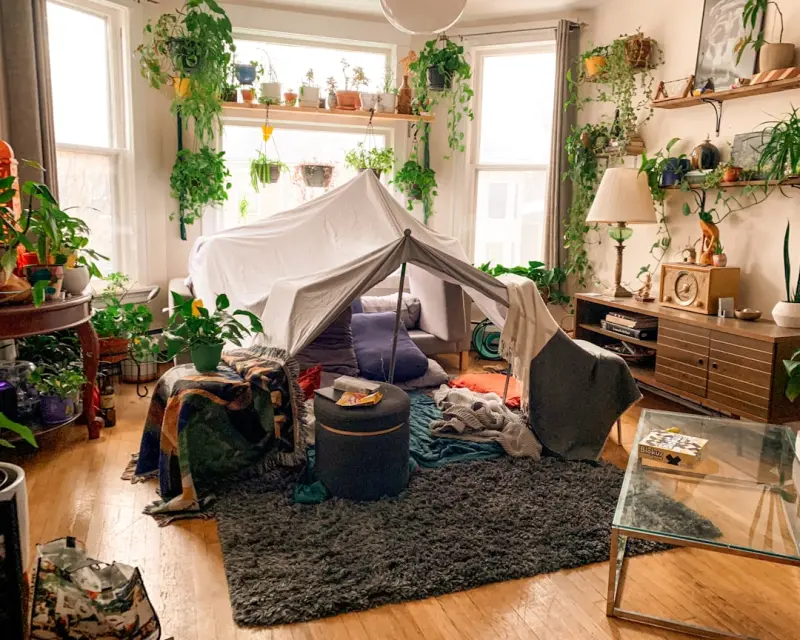
Micro-Comfort Zones: Tiny Retreats for Everyday Joy
Learn how to create small, intentional comfort spots throughout your home that enhance calm, improve focus, and lift mood—using minimal furniture, sensory cue...Read More
AI as a Silent Mentor: Accelerating Professional Growth in the Enterprise
Explore the concept of AI as a silent mentor that provides personalized, just‑in‑time coaching, helping employees close skill gaps, improve decision‑makin...Read More

Breathing New Life into Office Wellness: The Quiet Revolution
A deep dive into the science and practical steps for integrating breathwork into daily office routines, showing how a few minutes of intentional breathing can r...Read More

Beyond Automation: How AI is Crafting Adaptive User Experiences in Enterprise SaaS
Adaptive AI transforms static SaaS tools into responsive teammates, learning from real‑time user signals to personalize dashboards, forms, and navigation—de...Read More
0 Comments
Post Comment
You will need to Login or Register to comment on this post!