

AI as a Silent Mentor: Accelerating Professional Growth in the Enterprise
When I first stepped into the world of artificial intelligence, I imagined a future dominated by flashy chatbots and data‑driven dashboards. Those tools are still valuable, but the real promise of AI lies deeper—quietly, behind the scenes, acting as a personal mentor that nudges us toward mastery, confidence, and creative breakthroughs. This isn’t about replacing human expertise; it’s about amplifying it, turning everyday work moments into rapid‑learning opportunities.
Why a Mentor Mindset Matters
Traditional mentorship thrives on experience, intuition, and the willingness to share hard‑won lessons. In a fast‑moving B2B environment, however, the cadence of change can outpace even the most seasoned advisor. Enter AI: a system that can ingest terabytes of industry research, internal case studies, and real‑time performance metrics, then surface the right insight at the exact moment you need it.
Think of AI as a “silent mentor”—always present, never intrusive, and endlessly patient. It watches the patterns in your work, suggests micro‑learning modules, and even proposes alternative strategies before you hit a roadblock. The result? A culture where learning is woven into the fabric of daily tasks, not tacked on as an after‑thought.
From Data to Insight: The Mechanics of AI‑Driven Coaching
- Contextual Understanding: Modern language models parse the specific language of your domain—whether it’s SaaS pricing, customer onboarding, or technical documentation. They recognize the jargon, the KPIs, and the subtle nuances that differentiate a generic suggestion from a truly relevant one.
- Skill Gap Identification: By analyzing the outcomes of your projects—completion times, success rates, and stakeholder feedback—AI pinpoints where knowledge gaps exist. It then curates targeted learning pathways, from short videos to interactive simulations.
- Real‑Time Feedback Loops: As you draft a proposal, compose a client email, or configure a new feature, AI offers instant, data‑backed feedback. It might flag an unclear value proposition, recommend a more persuasive phrase, or suggest a visual that aligns with brand guidelines.
- Adaptive Learning Paths: The system learns from your responses. If you consistently excel in analytics but struggle with storytelling, the AI recalibrates, offering more narrative‑focused resources while still challenging your analytical strengths.
The beauty of this approach is that the mentorship never stops. Unlike human mentors who may have limited bandwidth, an AI mentor can accompany every employee, from the newest associate to the senior VP, providing personalized guidance at scale.
Human‑Centric Design: Keeping Empathy in the Loop
One danger of AI‑centric solutions is the risk of reducing people to data points. To avoid this, the silent mentor must be built on a foundation of empathy and trust:
- Transparency: Users should always see why a suggestion was made. A simple tooltip that says, “Based on your recent client brief and industry best practices…” keeps the interaction honest.
- Choice, Not Command: The mentor proposes, not imposes. It offers a range of options, allowing the professional to select the path that feels most authentic.
- Feedback Channels: Employees can rate the usefulness of each recommendation, feeding a continuous improvement loop that refines the AI’s relevance.
When designed with these principles, AI becomes a partner that respects autonomy while nudging you toward higher performance—a subtle yet powerful catalyst for growth.
Case Study: Turning Personal Passions into Organizational Assets
Consider a product manager who loves graphic design. Traditionally, that passion might stay on the side. With an AI mentor, the system detects the manager’s design flair through the visual assets they create for product roadmaps. It then suggests ways to embed that talent into the broader branding strategy, linking the individual’s enthusiasm to a measurable business outcome. In doing so, the AI helps the company leverage personal passions as assets, fostering both employee satisfaction and brand cohesion.
AI‑Guided Skill Labs: Micro‑Learning in the Flow of Work
Micro‑learning isn’t new, but AI makes it hyper‑personalized. Imagine you’re configuring a new integration for a client. As you navigate the platform, the AI detects a moment where you pause—perhaps you’re unsure about a specific API call. Instantly, a concise tutorial pops up, complete with a short video and a sandbox environment where you can experiment risk‑free.
This “just‑in‑time” approach ensures that learning happens precisely when it matters, dramatically increasing retention and reducing the time spent searching for answers in disparate knowledge bases.
Scaling the Mentor: From Startup to Enterprise
Small teams often benefit from close‑knit mentorship because everyone knows each other’s strengths. As organizations scale, maintaining that level of personal guidance becomes challenging. AI solves this by offering a consistent, on‑demand mentor that can be deployed across departments, time zones, and languages.
Key steps for scaling AI mentorship:
- Integrate with Existing Tools: Embed the AI into the platforms your teams already use—Slack, Microsoft Teams, CRM dashboards—so the mentor meets users where they are.
- Curate Core Content Libraries: Populate the system with high‑quality internal resources: case studies, playbooks, recorded webinars, and best‑practice documents.
- Establish Governance: Define data privacy policies, bias‑mitigation protocols, and oversight committees to ensure the mentor remains trustworthy.
- Measure Impact: Track metrics like time‑to‑competency, project success rates, and employee satisfaction to quantify the mentor’s ROI.
Addressing Common Concerns
Will AI replace managers? No. The AI acts as a supplemental coach, freeing managers to focus on strategic leadership and relational dynamics.
What about data security? Robust encryption, role‑based access controls, and regular audits safeguard sensitive information. The mentor only accesses data needed to deliver contextually relevant advice.
Can AI understand creativity? While AI may not “feel” creativity, it can recognize patterns that correlate with innovative outcomes—such as divergent thinking scores or successful A/B test results—and surface prompts that spark original ideas.
Blending AI Mentorship with Traditional Learning
AI should not exist in isolation. Pairing it with live workshops, peer‑to‑peer learning circles, and mentorship programs creates a blended ecosystem where digital and human insights reinforce each other. For example, after an AI‑suggested micro‑learning module on persuasive storytelling, a team could convene for a live critique session, deepening the learning experience.
Future Horizons: AI as a Mentor for Ethical Decision‑Making
Beyond skill acquisition, the silent mentor can help navigate the ethical complexities that accompany AI adoption itself. By surfacing relevant governance frameworks, diversity guidelines, and impact assessments, the system nudges professionals toward responsible innovation. In this way, the AI mentor doesn’t just accelerate performance—it cultivates a culture of ethical stewardship.
Practical Steps to Get Started
Ready to embed a silent mentor in your organization? Here’s a pragmatic roadmap:
- Identify High‑Impact Touchpoints: Map out where employees most frequently encounter knowledge gaps—proposal drafting, client onboarding, technical configuration.
- Choose a Scalable AI Platform: Look for solutions that offer robust language understanding, easy integration APIs, and customizable recommendation engines.
- Pilot with a Cross‑Functional Team: Select a group representing diverse roles. Collect feedback, iterate on the mentor’s tone, relevance, and delivery mechanisms.
- Roll Out Gradually: Expand to additional departments once the pilot demonstrates measurable benefits.
- Celebrate Wins Publicly: Highlight stories where the AI mentor accelerated a project or unlocked a new skill. Recognition fuels adoption.
By following these steps, you transform AI from a background tool into an active catalyst for continuous professional development.
Conclusion: The Quiet Power of an Ever‑Present Coach
The future of work isn’t about replacing humans with machines; it’s about augmenting human potential with intelligent, unobtrusive partners. A silent AI mentor offers precisely that—a constant, data‑driven confidant that helps each employee grow, experiment, and excel without ever stealing the spotlight. When organizations embrace this paradigm, they unlock a virtuous cycle: empowered employees deliver better outcomes, which in turn enriches the AI’s knowledge base, sharpening its guidance for the next generation of talent.
In a world where change is the only constant, having a trusted mentor—whether human or algorithmic—might just be the competitive advantage that sets thriving enterprises apart.

Margaret Thomson is a seasoned freelance writer specializing in the dynamic worlds of marketing and advertising. With a career deeply rooted in the marketing field, Margaret brings a wealth of practical experience and insightful knowledge to her writing.
Related Posts
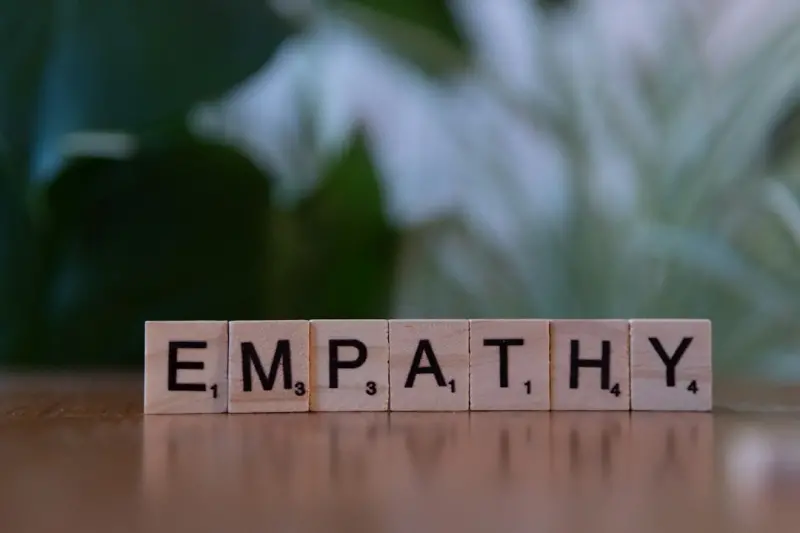
When AI Learns to Feel: Crafting Empathetic Experiences in B2B SaaS
Explore the emerging role of empathetic AI in B2B SaaS, from sentiment analysis to contextual memory... Read More

How AI Can Become Your Personal Microlearning Mentor
Learn how AI-powered microlearning transforms idle seconds into tailored lessons, building lasting h... Read More

When Your Virtual Meeting Gets a Silent AI Co‑Host
Explore the rise of AI-powered meeting co‑hosts that provide real‑time sentiment analysis, bias ... Read More
Top Posts

Microadventures: Small Escapes, Big Transformations
Microadventures let you explore nearby wonders in short, intentional bursts—boosting creativity, wellness, and community impact without the need for long vaca...Read More

Beyond the Itinerary: Turning Travel Into a Personal Growth Lab
Explore a fresh “growth‑first” travel framework that blends micro‑experiments, reflective tools, and AI assistance, turning every journey into a persona...Read More
Designing a Hybrid‑Work Mental‑Health Blueprint
A step‑by‑step guide to building micro‑rituals, smart‑lighting, and digital boundaries that safeguard mental well‑being in hybrid work setups....Read More
Smart Personal Care: Tech, Microbiome, and Zero‑Waste in One Routine
Discover a fresh, data‑driven approach to personal care that blends AI‑powered gadgets, skin‑friendly microbiome products, and sustainable, zero‑waste h...Read More
0 Comments
Post Comment
You will need to Login or Register to comment on this post!