
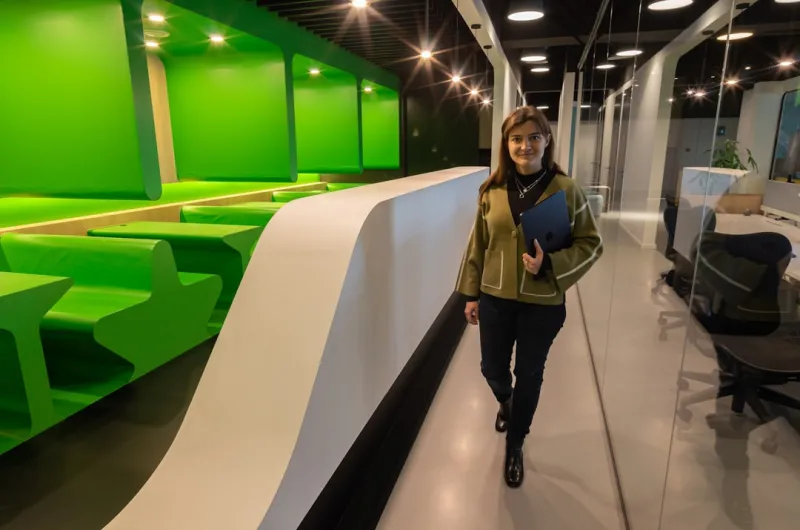
From the Dirt Under My Fingertips to the Desk in My Home Office
When I first swapped my cubicle for a raised garden bed, I expected a simple hobby to fill the gaps left by endless Zoom calls. Instead, I discovered that the soil beneath my toes could teach me more about modern employment than any corporate handbook ever would. The rhythm of planting, watering, and harvesting mirrors the cadence of project cycles—seed, nurture, reap, and then reinvest. As I watched seedlings push through the earth, I realized that the same patience and adaptability are required when building a career in today’s volatile market. My garden became a living laboratory, a place where I could test theories about remote work, employee wellness, and sustainable business practices without the overhead of a boardroom.
Why Green Workspaces Are the New Competitive Edge
The surge of green workspaces isn’t just a fleeting aesthetic trend; it’s a strategic response to employee burnout and ecological urgency. Companies that embed nature into their daily operations report higher engagement, lower turnover, and a boost in creative problem‑solving. I’ve seen teammates trade their coffee‑stained mugs for mason jars filled with fresh herbs, and the effect is palpable—energy levels rise, collaboration feels more organic, and the office buzz transforms into a gentle hum of life. When you plant a basil sprig beside a laptop, you’re not just adding décor; you’re signaling that growth—both personal and professional—is nurtured on the premises.
From Soil to Spreadsheet: Translating Garden Metrics into Business KPIs
One of the most powerful lessons my garden taught me is the art of measurable progress. I began logging germination rates, watering frequencies, and sunlight exposure in a simple spreadsheet, then mirrored those metrics with work‑related data points like task completion times and client satisfaction scores. The parallels are uncanny: just as over‑watering can drown seedlings, micromanaging can suffocate innovation. By treating each project like a plant—providing the right amount of resources at the right time—I learned to calibrate my managerial style for optimal growth. For readers curious about the deeper connection between horticulture and corporate success, check out From Soil to Spreadsheet: Rose DesRochers' Blueprint for the Green Employment Revolution for a detailed case study.
Redefining Home & Garden Living: The Hybrid Model That Works
Working from a garden desk blurs the line between personal sanctuary and professional hub. My mornings now start with a cup of tea brewed from home‑grown mint, followed by a quick check of emails among the rustle of leaves. This hybrid model forces you to schedule breaks deliberately, using the natural environment as a cue for mental reset. The result? A sharper focus when I’m at the keyboard and a deeper sense of fulfillment when I step away. The seamless integration of indoor and outdoor spaces has become a blueprint for many of my colleagues, who now demand flexible policies that honor both productivity and well‑being.
Economic Implications: How Green Workspaces Cut Costs and Drive Innovation
Beyond morale, green workspaces deliver tangible financial benefits. Indoor plants improve air quality, reducing HVAC strain and lowering energy bills by up to 15 % in some studies. Moreover, the presence of living systems encourages employees to think sustainably, sparking ideas for eco‑friendly products and services. I’ve witnessed brainstorming sessions where a simple discussion about composting led to a new line of biodegradable packaging for our client. When the environment becomes a co‑creator, the possibilities for cost‑effective innovation expand dramatically.
Building a Culture of Sustainability One Seed at a Time
Cultural change starts with visible symbols, and nothing says “we care” louder than a thriving garden on the office floor. I initiated a weekly “seed swap” where team members bring cuttings from their own homes, fostering a sense of community and shared responsibility. These small gestures cascade into larger initiatives—recycling programs, carbon‑offset pledges, and even partnership with local farms for fresh produce deliveries. Over time, the garden becomes a living testament to the company’s commitment, and that narrative resonates with clients who prioritize ethical sourcing.
Challenges and How to Overcome Them
Integrating greenery isn’t without hurdles. Space constraints, maintenance concerns, and varying employee preferences can stall progress. My solution has been to start small—think modular planters that can be moved or stored as needed, and assigning “plant champions” who rotate responsibilities for watering and pruning. By democratizing care, the garden never feels like a burden, and every team member gets a moment of ownership. When obstacles arise, I remind myself that every plant faces adversity, yet those that adapt thrive—mirroring the resilience we aim to cultivate in our workforce.
Future Outlook: The Next Frontier of Employment
Looking ahead, I envision a world where every remote workstation incorporates a slice of nature, and urban offices become vertical forests. Emerging technologies like IoT‑enabled soil sensors will provide real‑time data on plant health, feeding directly into employee wellness dashboards. Imagine a system that nudges you to stand, stretch, or take a breath of fresh air when your desk plant signals stress. This synergy between biology and technology will redefine productivity metrics, shifting focus from hours logged to vitality cultivated.
Takeaway: Plant the Seed, Watch Your Career Grow
If you’re skeptical, start with a single pot of herbs on your desk and observe the ripple effect. Notice how caring for a living thing changes your mindset, your interactions, and ultimately, your performance. The garden isn’t just a backdrop; it’s a partner in your professional journey. By embracing green workspaces, you’re investing in a future where employment is sustainable, fulfilling, and—most importantly—alive. For a deeper dive into my personal methodology, see From My Garden Desk: Jimmy Damon’s Blueprint for the New Era of Employment and join the movement that’s turning office culture upside down—one leaf at a time.

Jimmy Damon loves to right on a large scale of topics with all things Canadian as this Montreal die hard loves hockey. fishing and sports.
Related Posts

Why Employee Benefits Should Evolve Into Career‑Growth Communities
A fresh look at employee benefits: turning them into dynamic, community‑driven growth tools that a... Read More

Reverse Mentoring: The Secret Weapon for Career Acceleration
Learn why reverse mentoring is the game‑changing strategy that lets senior leaders tap into fresh ... Read More
Why Your Next Promotion Starts at the Garden Desk
Explore how turning your backyard into a garden desk can transform your work life, increase producti... Read More
Top Posts

Getting Your House Ready for Winter: A Comprehensive Guide
Winter brings frigid temperatures, heavy snowfall, and the potential for storm damage. Ensuring your home is prepared for these challenges is essential to prote...Read More
Garden Desks Are Redefining Employment in 2026
Garden desks are turning lawns into high‑performance offices, marrying nature with productivity. Discover why this green shift is the hottest employment trend...Read More
Cultivating Productivity: My Journey to a Garden Desk Haven
Explore the personal journey of turning a backyard into a vibrant workspace, where nature fuels focus, creativity, and a balanced home‑work harmony....Read More

Seasonal Home Maintenance Checklist: Keep Your House Running Smoothly All Year
A practical, season‑by‑season guide helps homeowners stay ahead of repairs, reduce utility costs, and create a safe, comfortable living space with simple, r...Read More
0 Comments
Post Comment
You will need to Login or Register to comment on this post!