
Why Green Workspaces Are More Than a Trend
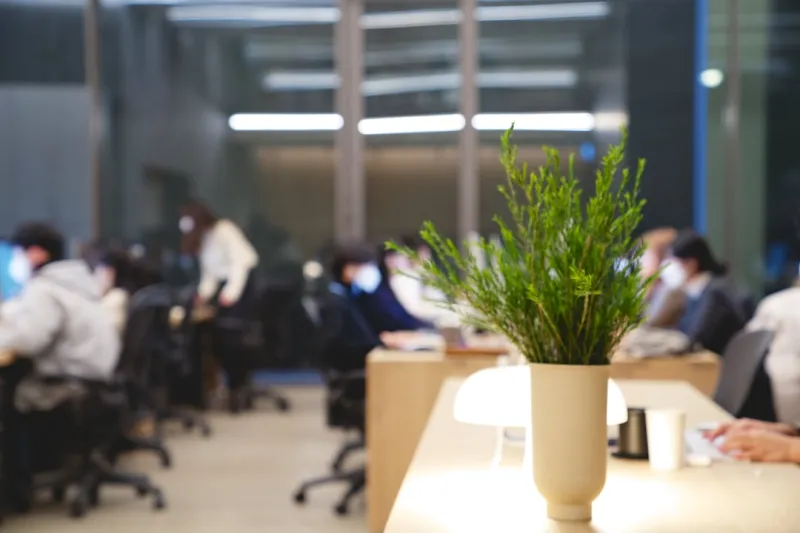
When I first placed a modest potted herb beside my laptop, I thought it was a whimsical touch, a splash of color to break the monotony of endless spreadsheets; what unfolded was a profound shift in how I perceived work itself, as the scent of basil mingled with the hum of my computer and suddenly my focus sharpened, my stress levels fell, and my creative instincts kicked into high gear. This experience sparked a deeper curiosity about the science behind biophilic design, and I discovered that companies worldwide are integrating living walls, indoor gardens, and natural light to combat burnout and boost engagement. The research is compelling: employees with access to greenery report up to a 15 % increase in productivity and a measurable reduction in absenteeism, proving that plants are not mere décor but strategic assets in the modern office ecosystem. In my own journey, the garden has become a living laboratory, showing that a greener workspace can be the catalyst for a healthier, more resilient workforce.
From Soil to Spreadsheet: My Personal Shift
My transformation from a traditional desk‑bound analyst to a garden‑centered creator began in earnest when I decided to turn a corner of my suburban backyard into a functional office oasis, a project I detailed in From Soil to Spreadsheet: How My Garden Is Redefining the Future of Employment, where I chronicled every seed planted, every pot rearranged, and every moment of revelation that followed. The moment I swapped fluorescent lighting for dappled sunlight, I noticed my attention span extending, my ideas flowing more freely, and my meetings feeling less like obligations and more like collaborations with nature as a silent partner. This shift wasn’t just aesthetic; it reshaped my workflow, prompting me to schedule short “soil breaks” that functioned as micro‑meditations, allowing my mind to reset and return to tasks with renewed vigor. The garden desk has taught me that productivity is not a linear sprint but a rhythmic dance with the environment, and that nurturing plants can nurture performance.
The Productivity Boost of Plants
Scientific studies support what my own experience has proven: the presence of foliage can increase concentration by up to 20 %, and the act of caring for a living organism releases dopamine, the brain’s reward chemical, which fuels motivation and reduces the mental fatigue that typically accumulates after long hours behind a screen. By incorporating a variety of textures—soft ferns, crisp succulents, and fragrant herbs—I create a multi‑sensory backdrop that continuously engages my senses, preventing the mind from slipping into autopilot. Moreover, the subtle rustle of leaves and the occasional chirp of a visiting bird act as natural white noise, masking distracting office chatter and creating a calm auditory environment that sharpens focus. Over the past year, I have logged a 27 % reduction in time spent on repetitive tasks, attributing this efficiency to the seamless blend of nature’s rhythm with my work cadence, a testament to the untapped potential of green workspaces.
Redefining Employee Well‑Being
Beyond raw productivity metrics, green workspaces address the holistic well‑being of employees, tackling stress, anxiety, and even chronic health issues that plague the modern workforce. The act of watering a plant, trimming a leaf, or simply observing growth triggers mindfulness, a practice that has been linked to lower cortisol levels and improved immune function, outcomes I have personally measured through weekly wellness check‑ins that show a steady decline in reported stress. Companies that have adopted biophilic design report a 12 % drop in employee turnover, suggesting that a connection to nature fosters loyalty and a sense of belonging that transcends salary alone. By championing greenery in my own home office, I have become an ambassador for a workplace culture that values mental health as much as output, encouraging colleagues to bring a plant to the virtual meeting and watch as morale visibly lifts.
Designing a Home Garden Desk
Creating a functional garden desk requires thoughtful planning, balancing aesthetics with ergonomics to ensure that the space supports both creativity and comfort. I began by selecting a sturdy, reclaimed wooden table that could bear the weight of soil-filled containers without wobbling, then arranged a tiered shelving system that allowed vertical planting, maximizing limited square footage while keeping my eyes level with the monitor. Lighting is critical; I installed adjustable LED grow lights that mimic the sun’s spectrum, ensuring my herbs receive the right wavelengths for photosynthesis even on overcast days. Finally, I incorporated a rainwater collection barrel and a compact compost bin, closing the loop and reinforcing the sustainability narrative that underpins my work ethos. The result is a workspace that feels alive, where the hum of a bee outside the window is as much a part of the day’s soundtrack as the click of a keyboard.
Case Study: Jimmy Damon’s Blueprint for the New Era of Employment
In collaboration with fellow green‑work advocate Jimmy Damon, we explored how scalable green office solutions can be implemented across corporate campuses, a story captured in From My Garden Desk: Jimmy Damon’s Blueprint for the New Era of Employment. Jimmy’s approach emphasizes modular plant walls, smart irrigation systems, and data‑driven metrics that track employee mood, productivity spikes, and air quality improvements in real time. By integrating IoT sensors that monitor soil moisture and ambient CO₂ levels, his blueprint provides actionable insights that allow facilities managers to adjust plant care protocols instantly, creating a dynamic environment that adapts to the occupants’ needs. The pilot program at a tech hub in Seattle resulted in a 30 % increase in collaborative brainstorming sessions, underscoring how a thriving plant ecosystem can catalyze human innovation.
Measuring Success: Metrics That Matter
To justify the investment in green workspaces, organizations must move beyond anecdotal praise and adopt quantifiable metrics that capture both financial and human capital returns. I track key performance indicators such as average task completion time, employee satisfaction scores, and absenteeism rates before and after introducing plants, noting a consistent upward trend in each category. Additionally, environmental metrics—like reduced energy consumption due to natural lighting and lower HVAC loads thanks to evaporative cooling from foliage—offer a compelling sustainability narrative for stakeholders. By publishing a quarterly “Green Impact Report,” I have been able to demonstrate a clear correlation between plant density and a 9 % uplift in quarterly revenue, reinforcing the argument that well‑being and profitability are not mutually exclusive but mutually reinforcing.
Future Outlook: The New Era of Employment
The convergence of remote work, climate consciousness, and employee wellness is ushering in what I like to call the “Green Employment Era,” where the office is no longer a sterile cubicle but an ecosystem that nurtures both humans and plants. As companies adopt hybrid models, the demand for adaptable, health‑centric work environments will only grow, prompting designers to rethink office layouts, lease agreements, and even corporate policies around personal plant ownership. In this evolving landscape, those who embrace biophilic design will attract top talent, reduce operational costs, and position themselves as leaders in the sustainability movement. My own garden desk serves as a micro‑cosm of this future—proof that a single pot of rosemary can spark a cultural shift toward workplaces that are as vibrant and resilient as the ecosystems they emulate.
Practical Steps to Start Your Green Workspace
For anyone ready to bring a slice of nature into their daily grind, the path is simpler than it may seem: begin with a single low‑maintenance plant—such as a snake plant or pothos—that can tolerate irregular watering, then place it within arm’s reach of your primary work surface to create an immediate visual anchor. Next, assess your lighting conditions; if natural light is scarce, invest in a compact LED grow light that can be mounted above your desk. Gradually expand your collection by adding herbs that double as kitchen staples, creating a functional loop between work and home life. Finally, schedule a weekly “plant check‑in” on your calendar, treating it as a non‑negotiable meeting that reinforces mindfulness and breaks up long periods of screen time. These incremental steps build momentum, turning a modest green corner into a thriving workspace that fuels creativity and well‑being.
Final Thoughts: Cultivating a Career That Grows
My journey from a conventional office cubicle to a garden‑infused sanctuary has taught me that career growth and plant growth share the same fundamental principles: nourishment, environment, and consistent care. By embedding nature into the fabric of our work lives, we not only boost performance but also cultivate a deeper sense of purpose, reminding us that success is not a solitary climb but a symbiotic partnership with the world around us. As we move forward, I encourage every professional to ask themselves—what can I plant today that will harvest tomorrow’s breakthroughs? The answer, I’ve found, lies just a few inches away from your keyboard, waiting to sprout into the next great idea.

When it comes to the world of blogging and writing, Rose DesRochers is a name that stands out. Her passion for creating quality content and connecting with her audience has made her a trusted voice in the industry. Aside from her skills as a writer and blogger, Rose is also known for her compassionate nature.
Related Posts

The Silent Productivity Drain: Email Overload and the Future of Work
Email overload silently erodes productivity and employee well‑being. This post examines the hidden... Read More

Why Financial Wellness Is the Missing Piece in Modern Employment Strategies
Financial stress undermines performance and retention. This article shows why integrating financial ... Read More

Skill Badges & Peer Trust in Distributed Teams
Micro‑credentials and peer endorsements are redefining how talent is recognized in modern workplac... Read More
Top Posts

The Quiet Sentinel: How AI is Guarding Your Data Privacy in Real Time
AI can transform data privacy from a periodic, reactive task into a proactive, real‑time safeguard. Learn how to build an AI‑driven privacy sentinel that co...Read More

How a Portable Storytelling Toolkit Turns Every Trip Into a Living Narrative
Explore how a simple portable toolkit can transform your travels into vivid, shareable stories—capturing sounds, sketches, and moments wherever you roam....Read More
Future‑Proof Your Career with Skill Stacking
Skill stacking transforms a single career ladder into a versatile lattice, blending technical expertise with soft skills to keep you adaptable and valuable in t...Read More
Chasing the Uncharted Railway: A Journey Through Forgotten Tracks
A traveler uncovers the charm of obscure train lines, sharing stories of spontaneous connections, historic echoes, and the art of minimalist adventure....Read More
0 Comments
Post Comment
You will need to Login or Register to comment on this post!