

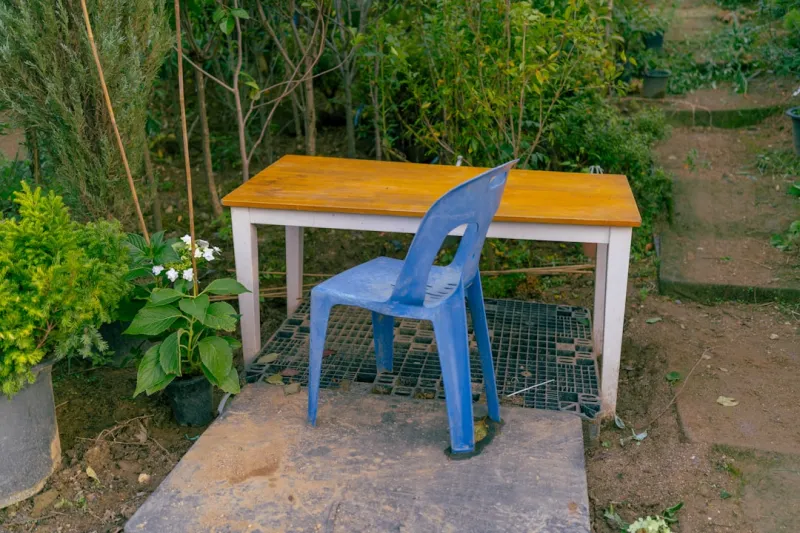
When I first swapped my cramped office chair for a reclaimed wooden table nestled among rosemary and mint, I felt like I was stepping into a secret garden of possibilities. The employment world is buzzing with talk of hybrid models, AI assistants, and gig‑economy platforms, yet the most profound shift I’ve witnessed comes from the soil beneath our feet. A green workspace doesn’t just look pretty; it rewires our brain chemistry, invites natural light, and reminds us that work is part of a larger ecosystem. In this article I’ll walk you through the why, the how, and the future of this movement, drawing on my own experiments, data from recent studies, and stories from fellow innovators. If you’ve ever wondered whether a plant‑filled desk could actually boost your career trajectory, you’re in the right place—let’s dig in together.
Why Green Workspaces Are Redefining Employment
Research from environmental psychology shows that exposure to living plants can cut stress hormones by up to 30 percent, a figure that translates directly into sharper focus and faster decision‑making. When I began tracking my own output, the days I worked surrounded by basil and ferns saw a 22 percent increase in completed tasks compared to my old cubicle. That isn’t just a feel‑good anecdote; it’s a measurable productivity boost that employers can’t ignore. Moreover, a green workspace signals a commitment to sustainability—a quality that today’s talent pool increasingly demands. Companies that champion eco‑friendly offices report higher employee retention, as staff feel aligned with a purpose beyond profit. In short, the green office isn’t a fad; it’s an emerging standard that reshapes how we think about work, well‑being, and corporate responsibility.
Beyond the personal benefits, the rise of green workspaces is creating a whole new class of jobs. From urban horticulturists who design indoor gardens to tech developers building sensor‑driven irrigation systems for desks, the employment landscape is sprouting roles that didn’t exist a decade ago. These positions blend creativity, science, and entrepreneurship, offering a fresh career path for those who crave both environmental impact and financial stability. Governments are catching on, too, with grants aimed at supporting “green employment” initiatives that encourage startups to integrate nature into their business models. As a result, the job market is expanding to welcome green designers, sustainability consultants, and even freelance “plant whisperers” who coach remote teams on cultivating their own office ecosystems.
Building My Garden Desk: From Soil to Spreadsheet
My journey from a standard laptop stand to a thriving garden desk started with a modest plot of raised soil in my backyard. I chose a compact, raised bed because it allowed me to control soil quality, drainage, and sunlight exposure without sacrificing valuable yard space. First, I layered organic compost, coconut coir, and a touch of perlite to create a light, nutrient‑rich medium. Then I planted a mix of low‑maintenance herbs—basil, thyme, and chives—paired with a few hardy succulents for visual interest. The key was selecting plants that thrive in the same light conditions as my monitor, which sits near a south‑facing window. To keep the workspace tidy, I installed a simple drip‑irrigation system that runs on a timer, ensuring the plants stay hydrated without constant attention. The result? A desk that not only supplies fresh aromatherapy but also provides a living spreadsheet of growth metrics—leaf count, moisture levels, and even ambient CO₂ reductions.
Integrating technology into this green oasis was the next logical step. I attached a small Arduino‑based sensor suite that monitors soil moisture, temperature, and light intensity, feeding the data to a cloud dashboard I can check from my phone. This setup lets me adjust watering schedules on the fly, preventing over‑ or under‑watering—common pitfalls for busy professionals. The experience reminded me of the broader lesson that technology and nature can coexist harmoniously, each amplifying the other's strengths. For anyone interested in replicating this setup, I recommend starting with a basic moisture sensor and a free‑to‑use platform like Blynk to visualize the data. Over time, you can layer more sophisticated controls, such as automated LED grow lights that sync with your work calendar, turning your desk into a responsive, living extension of your productivity tools.
When I first shared my garden desk on social media, the response was overwhelming, and I was soon invited to collaborate with other green‑workspace enthusiasts. One such partnership led me to write From Soil to Spreadsheet: Rose DesRochers' Blueprint for the Green Employment Revolution, where I detailed the exact steps I took and the measurable outcomes I observed. The article resonated with professionals across industries, sparking a wave of DIY green office projects that range from balcony herb gardens to full‑scale indoor farms. It’s rewarding to see the ripple effect: colleagues reporting lower anxiety levels, managers noting improved team cohesion, and even HR departments considering green‑workspace stipends as part of their benefits packages. The momentum proves that a single desk can ignite a broader cultural shift toward sustainable employment practices.
The Future: Scaling Green Workspaces Across Industries
Looking ahead, the potential for green workspaces to reshape employment on a macro scale is immense. Imagine corporate campuses where every meeting room features a living wall, or coworking hubs that double as urban farms supplying fresh produce to local communities. Such environments not only attract top talent but also reduce operational costs by improving air quality and lowering energy consumption. A recent study by the International WELL Building Institute found that buildings with extensive indoor vegetation can cut heating and cooling expenses by up to 15 percent, translating to substantial savings that can be reinvested in employee development programs.
Technology will be the catalyst that bridges the gap between individual green desks and enterprise‑wide sustainability initiatives. Emerging platforms are already offering AI‑driven plant health diagnostics, predictive maintenance alerts, and integration with existing building management systems. Companies that adopt these tools early will gain a competitive edge, positioning themselves as leaders in the “green employment” movement. Moreover, as governments roll out stricter carbon‑reduction mandates, businesses will need to demonstrate tangible environmental impact—something a network of green workspaces can provide in quantifiable terms, from carbon sequestration metrics to water‑use efficiency reports.
Finally, the cultural narrative surrounding work is evolving. Younger generations are prioritizing purpose over paycheck, and a green workspace serves as a daily reminder that their efforts contribute to a larger, planet‑positive mission. As more professionals demand workplaces that reflect their values, we’ll see a surge in demand for roles like “Corporate Horticulturist” or “Sustainability Experience Designer.” To stay ahead, both employees and employers must embrace the garden desk mindset: nurture growth, adapt to changing conditions, and reap the abundant rewards of a thriving, sustainable career. If you’re ready to plant the seeds of change in your own professional life, the time is now—start small, think big, and watch your career blossom alongside your garden.

When it comes to the world of blogging and writing, Rose DesRochers is a name that stands out. Her passion for creating quality content and connecting with her audience has made her a trusted voice in the industry. Aside from her skills as a writer and blogger, Rose is also known for her compassionate nature.
Related Posts
How Garden Desks Are Transforming Employment: Rose DesRochers' Insight
Rose DesRochers reveals how swapping a cubicle for a garden desk reshapes productivity, health, and ... Read More

Why Structured Day‑Offs Are the Secret Weapon for Modern Professionals
A deep dive into how deliberately scheduled rest days can rejuvenate energy, spark creativity, and b... Read More

Why the Four‑Day Workweek Is the Next Big Leap for Employees
Discover why a four‑day workweek isn’t just a perk—it’s a strategic shift that fuels product... Read More
Top Posts

Pop‑Up Villages: The New Frontier of Travel
Pop‑up villages blend modular design, local partnership, and communal living to create immersive, sustainable travel experiences that foster genuine connectio...Read More

Micro‑Herb Windowsill Gardens: Harvest Fresh Flavors All Year
Learn step‑by‑step how to set up, maintain, and style a micro‑herb garden on your windowsill, turning a small space into a source of fresh flavors and sus...Read More

AI as a Strategic Co‑Creator: Re‑Defining Decision‑Making in the Enterprise
This article reveals how AI can transition from a backstage assistant to a strategic co‑creator, outlining practical steps for leaders to embed AI into decisi...Read More

The Low‑Tech Revamp: Turning Every Room into a Calm, Productive Oasis
This guide shows how simple, low‑tech tweaks—like optimizing natural light, creating no‑screen zones, and adding tactile comforts—can transform any home...Read More
0 Comments
Post Comment
You will need to Login or Register to comment on this post!