
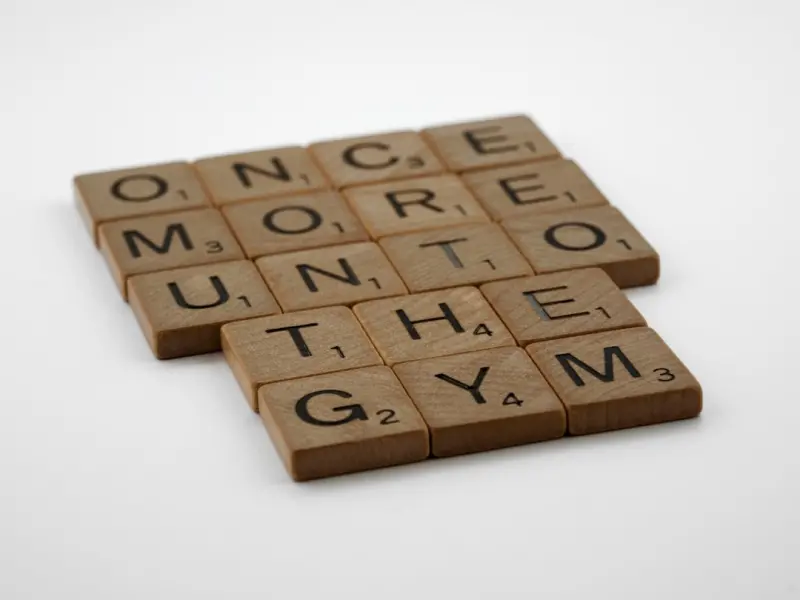
Reframing Mental Health as a Daily Fitness Game
When most people think about mental health, the image that pops up is a quiet meditation session, a therapist’s couch, or a list of “do‑not‑do” habits. Those are valuable, but they often feel static—like a prescription you follow once a week. What if we treated our minds the way we treat our bodies: with a structured, progressive workout that’s as engaging as a video game and as rewarding as crossing a finish line?
Enter mental fitness, a mindset (and practice) that transforms cognitive well‑being into a series of intentional, gamified challenges. The core idea is simple: set clear, incremental goals, track progress, celebrate milestones, and, most importantly, make the process fun. In doing so, you tap into the brain’s natural reward circuitry, boost resilience, and create a habit loop that sticks.
Why Gamification Works for the Brain
The human brain is wired to seek novelty, mastery, and social connection. These three drives are the pillars of any successful game design:
- Novelty keeps the experience fresh, preventing boredom and disengagement.
- Mastery provides a sense of competence when you level up or unlock new skills.
- Social Connection fuels motivation through friendly competition, collaboration, or shared achievement.
When you embed these elements into mental‑health practices, you shift the focus from “I have to do this” to “I get to play this.” That subtle psychological reframing can dramatically increase adherence and, consequently, results.
Designing Your Mental Fitness Routine
Below is a step‑by‑step framework you can customize to suit any lifestyle—whether you’re a remote worker, a busy executive, or a freelancer juggling multiple projects.
1. Define Your “Core Muscles”
Just as a physical trainer assesses which muscle groups need strengthening, start by identifying the cognitive areas you want to improve. Common targets include:
- Attention and focus
- Emotional regulation
- Memory recall
- Problem‑solving flexibility
- Stress tolerance
Pick two or three to begin with; trying to overhaul everything at once can lead to overwhelm.
2. Choose “Exercise Modules”
Each module is a short, repeatable activity that trains a specific mental muscle. Some effective examples:
- Focused Breathing Sprint: 4‑minute breath‑counting drill to sharpen attention.
- Story‑Swap Challenge: Swap a personal anecdote with a colleague, then summarize it in 30 seconds—great for memory and social cognition.
- Perspective Puzzle: Take a stressful situation and write three alternative outcomes, building flexibility.
- Micro‑Movement Meditations: Combine a 2‑minute stretch with a mindfulness cue, linking physical and mental states.
These modules can be mixed, matched, and sequenced into a daily “workout playlist.”
3. Set Levels and Rewards
Gamification thrives on clear progression. Create a tiered system—Level 1, Level 2, etc.—where each level requires a set number of completed modules. Rewards can be as simple as a favorite coffee, a short walk, or unlocking a new module that feels more challenging.
4. Track Progress Visually
Use a habit‑tracking app, a spreadsheet, or a physical board. Visual cues—like colored stickers or digital badges—activate the brain’s dopamine pathways, reinforcing the habit loop.
5. Incorporate Social Play
Invite a coworker or friend to join the challenge. Share your scores, cheer each other on, or create a friendly leaderboard. The social component adds accountability and taps into the innate desire for connection.
Embedding Mental Fitness Into Your Environment
Physical surroundings profoundly affect how easily we can engage in mental workouts. A cluttered desk or a noisy room can sabotage even the most well‑intended routine. Consider redesigning your workspace to support focus and calm.
One low‑tech, high‑impact strategy is to create a dedicated calming nook. This could be a corner with a comfortable chair, soft lighting, and minimal visual noise—essentially a “mental gym” where you perform your focused breathing sprints or perspective puzzles without distraction.
Another subtle tweak is to pay attention to ambient light. While we’re not diving into the science of photobiology here (that’s covered in another great post), you’ll find that natural light during the day improves alertness, and dimmer light in the evening signals the brain to wind down—both essential for maintaining the balance between challenge and recovery.
Micro‑Refresh Actions: The Bridge Between Work and Play
In the hustle of a busy day, you might think there’s no room for a mental workout. That’s where tiny personal care actions become powerful allies. They are short, intentional pauses that reset your nervous system, making it easier to dive into a mental fitness module.
Examples include:
- Standing up to stretch for 60 seconds and then doing a focused breathing sprint.
- Writing a quick gratitude note before launching into a problem‑solving puzzle.
- Listening to a 30‑second nature sound clip to clear mental clutter before a memory recall drill.
These micro‑refreshes act like “warm‑up” drills for the brain, increasing the efficacy of the subsequent mental exercise.
Case Study: A Remote Team’s 30‑Day Mental Fitness Challenge
To illustrate how this approach works in a real setting, let’s look at a mid‑size tech firm that piloted a 30‑day mental fitness challenge across its remote workforce.
Setup
- Each participant selected two core muscles: attention and emotional regulation.
- The team designed a shared playlist of five modules (including the ones mentioned earlier) and assigned point values.
- A visual leaderboard was posted in the company’s Slack channel, updated daily.
- Every Friday, participants earned a “recovery badge” for completing a week of consistent workouts, which they could redeem for a half‑day off.
Results
After the challenge, the company reported:
- 20% increase in self‑reported focus during video calls.
- 15% reduction in perceived stress scores (measured via a short survey).
- A noticeable boost in collaboration, with teams reporting more creative problem‑solving sessions.
What’s striking is that the initiative required only a few minutes per day per employee—yet the payoff was measurable across productivity and well‑being metrics.
Integrating Mental Fitness With Existing Wellness Programs
Many organizations already invest in mental‑health resources: counseling hotlines, mindfulness apps, and ergonomic assessments. Mental fitness can complement these efforts without demanding massive new budgets.
Here are three quick integration ideas:
- Kick‑off Workshops: Host a 30‑minute session introducing the gamified framework, complete with a live demonstration of a module.
- Digital Badges: Use your existing learning‑management system to award badges for completed levels, reinforcing the achievement loop.
- Cross‑Program Pairing: Pair mental‑fitness challenges with existing physical‑wellness challenges (e.g., “walk 5,000 steps and complete 3 focus sprints”). This promotes holistic health.
Common Pitfalls and How to Avoid Them
Like any new habit, mental fitness can stumble if not approached thoughtfully. Below are frequent traps and practical solutions.
Pitfall 1: Over‑Complicating the System
When you start adding too many levels, points, and modules, the process becomes a chore. Solution: Keep the first month simple—two modules, one level, and a single reward.
Pitfall 2: Ignoring Recovery
Just as muscles need rest, the brain needs downtime. Continuous high‑intensity mental workouts can lead to burnout. Solution: Schedule “rest days” where you focus on passive activities like reading for pleasure or taking a nature walk.
Pitfall 3: Lack of Social Support
Doing the challenges alone can feel isolating. Solution: Form small “mental fitness squads” that share progress and swap module ideas weekly.
Measuring Success: Metrics That Matter
To prove the value of mental fitness, track both subjective and objective data:
- Self‑Assessment Scores: Weekly quick surveys on focus, stress, and mood.
- Performance Indicators: Project completion times, error rates, or client satisfaction scores.
- Engagement Metrics: Participation rates, module completion counts, and badge redemption.
When these metrics trend upward, you have tangible proof that the gamified approach is moving the needle on mental health.
Future Directions: AI‑Assisted Mental Fitness
While this post focuses on low‑tech, human‑centered strategies, the next frontier is leveraging AI to personalize mental‑fitness regimens. Imagine an AI coach that analyses your work patterns, detects moments of cognitive fatigue, and suggests the optimal module at the perfect time. The possibilities are exciting, but the core principle remains: keep the experience engaging, progressive, and rewarding.
Getting Started Today
Ready to turn mental health into a daily game? Follow these three quick actions:
- Pick Your Core Muscles: Write down two mental skills you want to improve.
- Select Three Modules: Choose short activities that target those skills.
- Set a Level Goal: Commit to completing a total of 10 module sessions this week and reward yourself with something enjoyable.
Remember, the goal isn’t perfection; it’s consistency and enjoyment. By treating mental health as a fitness game, you invite curiosity, celebrate progress, and ultimately build a more resilient, vibrant mind.

Jimmy Anand is a content creator that gets inspired by many aspects of life, internet or whatever inspires him at that moment. When he's not online he's gaming and when he is not gaming he is online trolling discussion boards.
Related Posts
The Unexpected Power of Play: Reclaiming Joy to Boost Mental Health in High‑Pressure Careers
Play isn’t a luxury—it’s a mental‑health tool. This article explores science‑backed ways t... Read More
Crafting Calm: How Hand‑Made Activities Rewire Stress
Discover the science behind tactile activities such as knitting, origami, and beadwork, and learn pr... Read More

Nature Audio: The Tiny Reset Your Brain Craves
A brief burst of curated nature sounds can act as a mental palate cleanser, reducing stress and shar... Read More
Top Posts

Nourish Your Brain: Food, Rhythm, and Micro‑Habits for Sustainable Energy
A deep dive into neuro‑nutrition reveals the perfect blend of macronutrients, micronutrients, and circadian‑aligned eating, complemented by tiny habits that...Read More

Mobile Basecamps: Turning Every Trip into a Productive Playground
Discover the blueprint for a mobile basecamp that lets you work efficiently, explore authentically, and make micro‑impact contributions wherever you travel....Read More
Sensing Your Way to Better Self‑Care: A Sensory‑First Personal Care Blueprint
A personal‑care overhaul that starts with the senses: learn to use touch, scent, and sound to create calming routines, boost wellbeing, and make everyday groo...Read More

Cultivating Productivity: How Garden Desks Transform Home Life
A garden desk isn’t just furniture; it’s a lifestyle upgrade that merges work, wellness, and the outdoors into one inspiring home hub....Read More
0 Comments
Post Comment
You will need to Login or Register to comment on this post!