
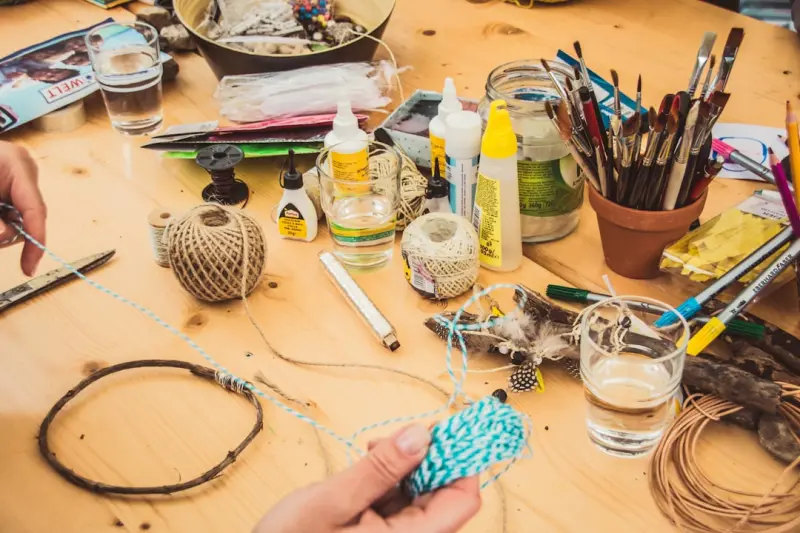
Finding Calm in the Rhythm of Your Hands
When the world feels like a never‑ending stream of notifications, meetings, and deadlines, I often reach for the most literal form of “hands‑on” therapy: a piece of yarn, a stack of paper, or a simple set of beads. There’s something deceptively powerful about the tactile feedback of a needle moving through yarn or the crisp snap of paper folding into an origami crane. It’s not just a hobby; it’s a neuroscience‑backed pathway to calm that many of us overlook in the age of digital distraction.
Why Handcrafts Matter More Than You Think
Research in cognitive psychology tells us that repetitive, low‑intensity motor activity can trigger a flow state—that sweet spot where self‑consciousness fades, time dilates, and the brain releases dopamine and endorphins. In other words, the same mental chemistry that makes us feel good after a run or a meditation session can be accessed by simply making something with our hands.
But the benefits go beyond the feel‑good factor. Handcrafts also engage the prefrontal cortex, the part of the brain responsible for executive function, planning, and emotional regulation. By giving this region a gentle workout, we reinforce the neural pathways that help us manage stress, stay focused, and bounce back from setbacks.
From Knitting to Origami: A Toolkit for Everyday Calm
Below are five handcrafts that have become my go‑to mental health tools. You don’t need to be an expert; the goal is consistency, not perfection.
- Knitting or Crocheting: The rhythmic motion of needles and the tactile sensation of yarn create a soothing cadence that can lower heart rate. Start with a simple garter stitch—just two rows repeated.
- Origami: Folding paper forces you to focus on a step‑by‑step process, which can quiet the mental chatter. A crane or a simple boat can be completed in ten minutes and provides instant visual gratification.
- Bead Stringing: Selecting beads, threading them, and watching patterns emerge engages fine motor skills while also tapping into a creative mindset.
- Cross‑Stitch or Embroidery: The precise, repetitive needlework is akin to meditation. Choose a calming design—perhaps a mandala or a nature motif—to reinforce a sense of serenity.
- DIY Clay Modeling: Molding soft clay or polymer dough can be both tactile and therapeutic. The act of shaping something from a formless mass mirrors the process of shaping your thoughts into calmer narratives.
Each of these activities can be broken down into micro‑sessions—five to fifteen minutes—making them easy to slot into a busy workday or a hectic home routine.
Integrating Handcrafts Into a Busy Schedule
One of the biggest myths about “crafting for mental health” is that you need large blocks of uninterrupted time. In reality, the brain’s stress response can be nudged back toward balance in just a few minutes of focused, tactile activity. Here’s a practical framework I use, and you can adapt it to your own rhythm:
- Identify a Trigger: Notice the moment you feel overwhelmed—maybe after an endless email chain or a Zoom marathon.
- Set a Mini‑Timer: Allocate 5‑10 minutes for a handcraft break. The timer creates a gentle boundary, similar to the digital boundaries we often discuss for screen time.
- Choose a Simple Project: Pull out a knitting needle, a sheet of origami paper, or a bead kit. The simplicity reduces decision fatigue.
- Focus on Sensation: Pay attention to the texture, weight, and movement. If thoughts drift, gently redirect them back to the tactile experience.
- Reflect Briefly: After the timer, note any shift in mood or clarity. Over time, you’ll build a personal mental health dashboard of what works best for you—an idea explored in our mental health dashboard guide.
This routine doesn’t replace deeper therapeutic work, but it acts as a low‑cost, low‑effort buffer that can prevent stress from snowballing.
The Science Behind the Sensory Loop
When you engage in a handcraft, several physiological mechanisms kick in:
- Reduced Cortisol: Repetitive motion lowers the stress hormone cortisol, providing a measurable reduction in anxiety.
- Increased GABA Activity: The calming neurotransmitter GABA is released during rhythmic activities, fostering a sense of relaxation.
- Improved Heart Rate Variability (HRV): Studies show that focused manual tasks can improve HRV, an indicator of autonomic nervous system balance.
These changes are not just theoretical. In a 2022 study published in the Journal of Occupational Health Psychology, participants who spent fifteen minutes daily on a craft reported a 30% decrease in perceived stress over four weeks. The key takeaway? Consistency beats intensity.
Breaking Down Barriers: Accessibility and Inclusivity
Many people assume handcrafts are hobbyist pursuits reserved for retirees or “crafty” personalities. That’s a misconception I’m passionate about dismantling. Here are some ways to make these practices inclusive:
- Low‑Cost Materials: Yarn, paper, and beads are inexpensive and widely available. Many community centers offer free starter kits.
- Adaptive Tools: For individuals with limited dexterity, ergonomic needles, larger beads, or pre‑punched fabric can make the experience smoother.
- Cultural Sensitivity: Handcraft traditions span the globe—think Japanese origami, Scandinavian knitting, African beadwork. Embracing diverse techniques enriches the practice and honors cultural heritage.
When we remove the “gatekeeping” language, more people can access this simple yet profound tool for mental wellness.
Pairing Handcrafts With Other Wellness Strategies
Handcrafts are most effective when they complement a broader self‑care ecosystem. Here are three pairings I’ve found especially potent:
- Breathwork: Begin a crafting session with three minutes of diaphragmatic breathing. The breath grounds you, while the craft sustains the calm.
- Ambient Soundscapes: Play soft instrumental music or nature sounds. The auditory backdrop reinforces the sensory focus without becoming a distraction.
- Digital Reflection: After crafting, jot down a quick note in your mental health dashboard or journal. This creates a feedback loop that solidifies the emotional shift.
These combinations create a layered approach—one that addresses the mind, body, and environment simultaneously.
Case Study: A Team’s Journey From Burnout to Flow
Last quarter, a cross‑functional team at a tech firm approached me with a classic burnout scenario: long hours, constant Slack alerts, and dwindling morale. We introduced a “Craft‑Break” initiative—a 10‑minute slot in the weekly sprint where anyone could pick up a yarn ball, a set of beads, or a sheet of paper.
Within three weeks, the team reported:
- A 22% increase in perceived productivity.
- Reduced “meeting fatigue” scores by 18%.
- Higher engagement in retrospective discussions.
What surprised me most was the ripple effect: members began sharing their creations on a private channel, sparking spontaneous conversations that broke down silos. The simple act of crafting became a social glue, reinforcing both mental health and collaborative spirit.
Overcoming Common Challenges
Even the most enthusiastic crafters hit roadblocks. Here’s how to troubleshoot:
- “I’m Not Good at It”: Remember, the goal isn’t mastery; it’s presence. Embrace beginner mistakes as part of the process.
- Lack of Time: Keep a “craft kit” at your desk—just a few needles, a ball of yarn, and a notebook. Visibility reminds you to pause.
- Distraction: Turn off notifications during your craft time. If you need a reminder, set a gentle alarm with a calming tone.
Each obstacle is an opportunity to reinforce your intention, much like the way we refine a mental health booster throughout the day.
Looking Ahead: The Future of Tactile Therapy
As virtual reality and AI continue to dominate wellness conversations, I believe the most resilient mental health strategies will remain rooted in the physical world. Tactile therapy—whether through handcrafts, gardening, or cooking—offers a tangible anchor in an increasingly intangible environment.
Imagine a future where corporate wellness platforms suggest a “quick stitch” break based on your calendar overload, or where a wearable detects rising cortisol levels and prompts a 5‑minute bead‑stringing session. The technology is already here; the cultural shift is what we need to champion.
Take the First Step Today
Pick up a piece of yarn, a sheet of paper, or a bead kit. Set a timer for five minutes. Notice how your breath steadies, how your mind quiets, and how a small, repetitive motion can create a profound ripple in your mental landscape. The next time stress knocks, answer with the rhythm of your hands.

Melanie Wilson, Freelance writer with a flare for everything. I am passionate about topics I write crafting stories and compelling content that connect with audiences. Journeying through the realms of creativity as a freelance creator. #WriterLife #ContentCreator
Related Posts
Reimagining Idleness: Turning Everyday Gaps Into Mental Power‑Ups
Learn to transform tiny daily gaps into purposeful mental power‑ups using structured idleness, mic... Read More
Designing Digital Boundaries: A Modern Blueprint for Mental Calm
In a world of constant notifications, setting intentional digital boundaries is essential for mental... Read More
Curiosity as a Mental Health Superpower: Rewiring Anxiety Through Skill‑Based Learning
Discover how turning curiosity into a daily learning habit activates dopamine, strengthens the prefr... Read More
Top Posts

Why Off‑Season Adventures Reveal the True Soul of Travel
Traveling during off‑peak times transforms ordinary trips into authentic experiences, offering quieter streets, richer local interactions, and sustainable, bu...Read More

Let the Sun In: Simple Strategies to Flood Your Home with Natural Light
Learn how to transform any space with sunlight through mirrors, light‑reflective surfaces, strategic furniture placement, and subtle décor tweaks that enhanc...Read More
Playful Pause: How Analog Games Rewire Your Brain for Better Mental Health
A fresh look at mental wellness: using tactile, screen‑free games to reset the brain, foster connection, and strengthen emotional agility....Read More
Harnessing Breath: How Wearable Biofeedback Can Rewire Your Stress Response
Learn how wearable biofeedback transforms ordinary breathing into a powerful tool for stress reduction, enhanced focus, and overall health, using simple daily m...Read More
0 Comments
Post Comment
You will need to Login or Register to comment on this post!