
Why the Traditional Office Is Losing Its Grip
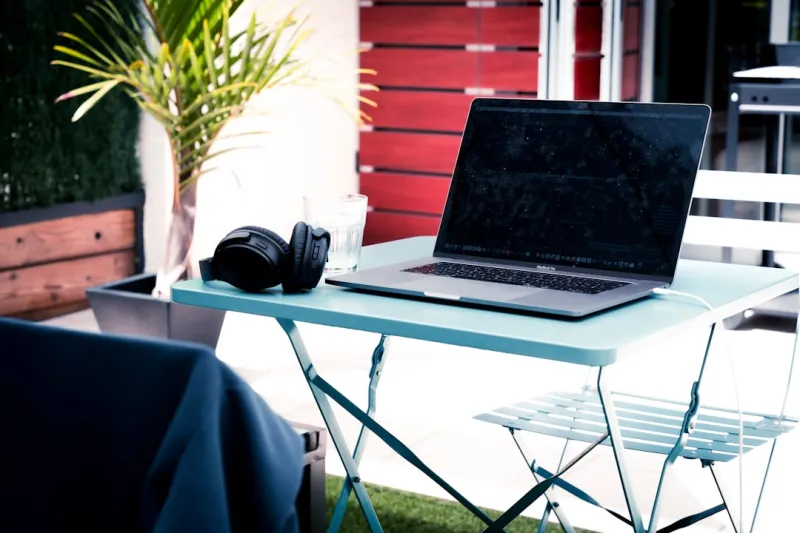
When I first swapped my cramped cubicle for a modest garden desk, I expected a novelty that would fade as quickly as the novelty of any remote‑work perk. Instead, I discovered that the very act of stepping outside to answer emails and join video calls reshapes my mental bandwidth, turning the mundane grind into a series of intentional, energized moments that feel less like work and more like a purposeful ritual, a discovery that aligns with the broader shift many companies are noticing in employee expectations and performance metrics. The data shows that workers who can breathe fresh air while tackling tasks report higher focus, lower stress, and a deeper sense of belonging to their organization, proving that the old office model is no longer the universal benchmark for productivity.
Beyond the anecdotal, there’s a growing body of research linking natural light, ambient sounds, and the tactile experience of a garden setting to improved cognitive function and creative output, which translates directly into measurable business outcomes. Companies that have experimented with hybrid policies are seeing a surge in employee retention and a dip in absenteeism, suggesting that the garden desk isn’t just a personal indulgence but a strategic advantage in the talent war; the next wave of employment trends will likely center around how we design and sanction outdoor workspaces as core components of the employee value proposition.
From Cubicle to Garden: A Personal Journey
My transition from a fluorescent‑lit cubicle to a sun‑drenched garden table was less a sudden leap and more a series of deliberate experiments, each one testing the limits of what an “office” can look like without losing professional credibility. I started with a portable laptop stand, a weather‑proof Wi‑Fi extender, and a sturdy chair that could survive a sudden summer downpour, gradually building a setup that could handle conference calls, deadline‑driven reporting, and spontaneous brainstorming sessions without missing a beat; the result was a workspace that felt both personal and profoundly productive. The experience forced me to rethink the traditional hierarchy of office assets, placing comfort and well‑being at the top of the list rather than sheer square footage or ergonomic chairs.
In documenting this evolution, I wrote From Cubicle to Garden: My Personal Journey Redefining Employment, a piece that resonated with thousands of readers who were also yearning for a change. The feedback highlighted a universal desire: people want environments that nurture their humanity, not just their output. By sharing my story, I’ve helped spark a conversation about how the future of work can be both flexible and rooted in the simple pleasure of a garden breeze, reinforcing the notion that employment isn’t a place you go, but a practice you live.
The Business Case for Outdoor Workspaces
From a strategic standpoint, investing in outdoor workspaces offers a clear ROI that many HR leaders overlook; the cost of a modest garden desk, a shade structure, and reliable connectivity often pales in comparison to the savings generated through reduced turnover, lower health‑care claims, and higher employee engagement scores. Companies that champion outdoor flexibility are seeing a measurable uptick in collaboration, as the informal setting encourages spontaneous idea exchange that would otherwise be stifled in a traditional meeting room, thereby accelerating innovation pipelines and shortening product development cycles.
Moreover, embracing the outdoors aligns with corporate sustainability goals, reducing the carbon footprint associated with commuting and office energy consumption, while also delivering a brand narrative that appeals to eco‑conscious talent. As highlighted in Why Outdoor Workspaces Are the Future of Employment, forward‑thinking organizations are integrating garden desks into their core policies, turning a simple environmental upgrade into a competitive differentiator that attracts top performers and positions the brand as a pioneer in modern employment practices.
Designing the Perfect Garden Desk Setup
Creating an effective garden workstation begins with understanding the interplay between ergonomics and the elements; a height‑adjustable desk ensures you can maintain a neutral spine whether you’re typing or sketching, while a weather‑resistant canopy shields you from unexpected rain without compromising natural light. Pair these basics with a high‑quality Bluetooth speaker for ambient sound, a portable power bank for uninterrupted charging, and a set of noise‑cancelling headphones to block out the occasional lawn mower, and you have a setup that rivals any corporate office in functionality.
Attention to detail extends beyond hardware; consider the surrounding flora, the scent of fresh herbs, and the subtle hum of insects as part of your sensory toolkit, each element subtly enhancing concentration and reducing cortisol levels. When you curate a space that feels both productive and restorative, you create a feedback loop where work satisfaction fuels personal well‑being, and vice versa, making the garden desk not just a location but a catalyst for sustained professional growth.
How Employers Can Support Outdoor Work
Forward‑thinking employers can facilitate the transition to outdoor work by providing stipends for home‑office upgrades, offering insurance coverage for weather‑proof equipment, and establishing clear policies that protect employees’ right to work outside without fear of penalization. By incorporating outdoor‑work guidelines into employee handbooks—detailing expectations around availability, data security, and safety—organizations can maintain operational consistency while granting the autonomy that modern workers crave.
Training sessions that teach best practices for setting up a garden desk, along with virtual “coffee break” meetups held in shared outdoor spaces, reinforce a culture of flexibility and trust. When leadership models the behavior—joining video calls from a patio or encouraging teams to take brainstorming walks—they signal that productivity is measured by outcomes, not by the square footage of a cubicle, thereby fostering a resilient, adaptable workforce ready for the evolving employment landscape.
The Psychological Upside of Working Outdoors
Psychologically, the act of working amid greenery triggers biophilic responses that boost mood, sharpen focus, and enhance problem‑solving abilities, a phenomenon supported by neuroscience that ties exposure to nature with increased alpha‑wave activity in the brain, the same pattern seen during deep relaxation and creative flow. Employees who regularly step outside report lower incidences of burnout and a stronger sense of work‑life integration, as the boundary between professional duties and personal rejuvenation becomes fluid rather than rigid.
In practice, this translates to shorter task completion times and higher-quality outputs; when the mind is calm and energized, it can allocate cognitive resources more efficiently, leading to fewer errors and a greater willingness to tackle complex challenges. By normalizing outdoor work, companies are essentially investing in the mental health of their teams, a strategy that pays dividends in reduced absenteeism, heightened morale, and a reputation as an employer that truly cares about holistic employee well‑being.
Future Trends: From Garden Desks to Community Green Hubs
Looking ahead, the garden desk is poised to evolve into larger community green hubs, where clusters of remote workers share landscaped co‑working spaces that blend the intimacy of a personal garden with the collaborative energy of a traditional office. These hubs could feature shared tools, communal coffee stations, and scheduled wellness activities like yoga under the trees, creating a hybrid model that satisfies both individual autonomy and collective synergy.
Such ecosystems will likely be supported by municipal initiatives that incentivize green‑space development and corporate partnerships that sponsor sustainable infrastructure, turning the concept of “working from home” into a vibrant, community‑centric experience. As we reimagine employment in the outdoor era, the garden desk will serve as the foundation upon which these larger, more inclusive work environments are built, heralding a future where productivity, health, and community thrive side by side.

Jimmy Damon loves to right on a large scale of topics with all things Canadian as this Montreal die hard loves hockey. fishing and sports.
Related Posts
Why Outdoor Workspaces Are the Next Big Employment Trend
Explore the rise of garden desks and outdoor offices, and learn how this shift is transforming emplo... Read More

Skill Stacking: Building a Career Mosaic for the AI‑Driven Workplace
Skill stacking turns careers into dynamic mosaics, blending technical, business, and soft skills to ... Read More

Why Skills‑First Hiring Is the New Competitive Edge
A deep dive into the skills‑first hiring revolution, outlining practical steps, technology’s rol... Read More
Top Posts

Edible Elegance: Designing a Beautiful Food‑First Garden
Learn step‑by‑step how to create an edible‑first garden that blends striking design with fresh, home‑grown produce—perfect for any small outdoor space...Read More

Redefining Success: From Hours Logged to Impact Delivered
A deep dive into modernizing workplace evaluation: replace time cards with value cards, embrace outcome‑first metrics, continuous micro‑learning, and career...Read More
Why Reverse Mentoring Is the Secret Weapon for Future‑Ready Companies
Reverse mentoring flips the traditional mentor‑mentee dynamic, letting junior employees guide senior leaders on digital trends, culture, and emerging skills. ...Read More
From Ornamental to Edible: Transform Your Yard into a Living Harvest
Learn the fundamentals of edible landscaping, from plant selection and design techniques to soil health and low‑maintenance tips, so you can turn any yard int...Read More
0 Comments
Post Comment
You will need to Login or Register to comment on this post!