
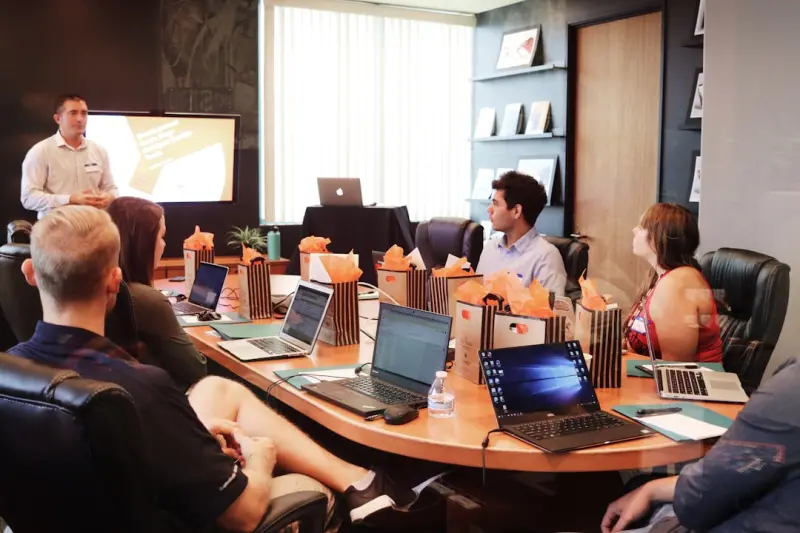
Why the Physical Office Is No Longer a Fixed Box
When I first walked into a corporate headquarters three decades ago, the layout was as predictable as a spreadsheet: rows of cubicles, a single conference room on each floor, and a cafeteria that doubled as the unofficial networking hub. The logic was simple—standardization equals efficiency. Fast forward to today, and the same logic is being challenged by a new reality: employees crave environments that adapt to the way they think, collaborate, and create. This isn’t a fleeting fad; it’s a structural shift that’s reshaping how we define “workplace” and, ultimately, how we retain talent.
The Cost of Stagnant Spaces
Companies that cling to static layouts often see hidden costs manifest in three ways:
- Reduced Collaboration: Fixed desks limit spontaneous “watercooler” moments, forcing teams to schedule meetings for anything beyond routine check‑ins.
- Lower Employee Satisfaction: When the environment feels like a prison rather than a playground, morale dips, and turnover spikes.
- Inefficient Use of Real Estate: A floor plan designed for 100 employees may only be utilized at 60% capacity during most of the day, inflating overhead.
These symptoms are not isolated; they echo across industries, from tech startups to traditional manufacturing firms. The bottom line is simple: a static office can become a strategic liability.
Flexibility as a Competitive Advantage
Enter flexible workspaces—an ecosystem of interchangeable zones that can morph from quiet focus pods to high‑energy collaboration labs within minutes. The premise is that the environment should serve the activity, not the other way around. When an organization adopts this mindset, it unlocks a cascade of benefits:
- Improved Innovation: By breaking down physical barriers, cross‑functional teams can converge organically, sparking ideas that would otherwise remain siloed.
- Higher Retention: Employees who feel their workplace respects their workflow preferences are more likely to stay long‑term.
- Optimized Space Utilization: Hot‑desking, activity‑based zones, and reservation‑based meeting rooms ensure every square foot is used purposefully.
Design Principles That Make Flexibility Work
Creating a fluid office isn’t about tossing out all furniture and buying bean bags. It requires thoughtful design grounded in three core principles:
1. Activity‑Based Zones
Identify the primary modes of work within your organization—deep focus, collaborative brainstorming, informal networking, and recovery. Then allocate distinct zones for each. For example, a quiet library‑style area with sound‑absorbing panels supports concentration, while a vibrant “idea lab” equipped with whiteboards, modular furniture, and movable screens encourages rapid prototyping.
2. Seamless Technology Integration
Flexible spaces demand tech that moves with the user. Portable docking stations, wireless presentation tools, and cloud‑based booking systems eliminate friction. When employees can plug in a laptop and start a video call from any corner, the physical constraints evaporate.
3. Transparent Governance
Clear policies around space reservation, cleanliness, and equipment usage are essential. A simple digital calendar that shows real‑time availability prevents conflicts and reinforces a culture of respect for shared resources.
From Theory to Practice: A Step‑by‑Step Playbook
Transitioning to a flexible workspace can feel daunting, but breaking it down into manageable phases helps maintain momentum.
- Audit Current Usage: Use sensors or manual counts to understand how spaces are currently occupied. Identify underutilized areas that could be repurposed.
- Engage Employees Early: Conduct surveys and focus groups to capture preferences. Involving staff in the design process builds ownership and reduces resistance.
- Pilot a Micro‑Zone: Start with a single floor or department. Equip it with modular furniture, tech, and clear signage. Gather feedback and iterate.
- Scale Gradually: Apply lessons learned across the organization, adapting the layout to different team dynamics.
- Measure Impact: Track metrics such as collaboration frequency, employee satisfaction scores, and space utilization rates. Use data to justify further investment.
Real‑World Example: The “Pop‑Up Collaboration Hub”
One mid‑size consultancy recently transformed a seldom‑used storage area into a pop‑up collaboration hub. They installed fold‑down walls, mobile whiteboards, and a digital reservation system. Within three months, cross‑team project proposals rose by 27%, and the net promoter score (NPS) for workplace experience climbed from 38 to 62. The success was so pronounced that the company replicated the hub on every floor, each with a unique thematic twist—“The Green Room” for sustainability brainstorming, “The Tech Sandbox” for prototype testing, and so on.
Balancing Flexibility with Employee Well‑Being
While flexible spaces drive performance, they can also introduce new stressors if not managed thoughtfully. The key is to provide choice without overwhelming employees. Here are three tactics:
- Quiet Zones as Sanctuaries: Not every employee wants to be in a bustling area. Preserve at least one silent zone per floor for deep work.
- Personal Storage Solutions: Offer lockers or personal cubbyholes so staff can securely store belongings, reducing the anxiety of a fully hot‑desking model.
- Clear Signage and Wayfinding: Simple visual cues help employees navigate the fluid environment without feeling lost.
Leveraging Data to Refine the Experience
Even in a non‑AI‑centric narrative, data plays a crucial role. By integrating occupancy sensors and usage analytics, facilities teams can continuously optimize space allocation. For instance, if a meeting room consistently shows 80% occupancy at 10 am, it might be re‑designated as a “focus pod” during that slot. This iterative approach mirrors the principles of AI‑Enabled Empathy Engines: Turning Data into Compassionate Collaboration, albeit without the AI branding—it's about using data responsibly to serve people.
The Cultural Ripple Effect
Physical flexibility often triggers cultural flexibility. When the environment signals that change is acceptable, employees feel empowered to experiment with new ways of working, propose process improvements, and challenge the status quo. This cultural elasticity can be the catalyst for broader organizational transformation, from agile project management to decentralized decision‑making.
Potential Pitfalls and How to Avoid Them
No change is without risk. Below are common missteps and corrective actions:
| Pitfall | Impact | Solution |
|---|---|---|
| Over‑emphasis on “hot‑desking” without quiet zones | Employee burnout, reduced focus | Maintain dedicated focus rooms and personal storage |
| Lack of clear reservation system | Double‑bookings, frustration | Implement a user‑friendly, mobile‑first booking platform |
| Ignoring employee feedback | Low adoption, cultural pushback | Establish continuous feedback loops via surveys and town halls |
Future‑Proofing Your Workspace
Flexibility is not a one‑time project; it’s an ongoing philosophy. As hybrid work becomes the norm, offices will increasingly serve as “collaboration hubs” rather than primary workstations. Designing for adaptability ensures you’re prepared for emerging trends such as:
- Work‑From‑Anywhere Pods: Satellite locations equipped with the same modular infrastructure.
- VR‑Enabled Meeting Spaces: Physical rooms that can host virtual participants with equal fidelity.
- Health‑Centric Design: Integrated air quality monitors, circadian lighting, and ergonomic furniture that respond to real‑time biometric data.
Conclusion: The Office as a Living Organism
Think of the office not as a static building, but as a living organism that must evolve with its inhabitants. When you give employees the freedom to choose where and how they work, you unlock hidden reservoirs of creativity, loyalty, and performance. The transition may require investment—both financial and cultural—but the payoff is a resilient organization that can thrive in an ever‑changing business landscape.
Ready to start the journey? Begin with a small pilot, listen closely to your people, and let the data guide you. In the end, a flexible workspace isn’t just about furniture; it’s about building a workplace that respects the rhythm of human work.

Shawn DesRochers is a certified Microsoft technician and Programmer with 30+ year's experience. He has written many reviews on computer related products, software, and SEO related topics. When he's not writing reviews he can be found at one of the Oldest Directories Online Blogging Fusion Business Directory which he is the CEO of.
Related Posts

Peer‑to‑Peer Mentoring: The Secret Weapon for Career Growth
Peer‑to‑peer mentoring flips traditional learning on its head, creating a culture where every em... Read More
Why Employee‑Curated Learning Paths Are the Future of Work
In this article, Michelle Fisher explores the rise of employee‑curated learning paths, detailing h... Read More

Resilient Careers: How to Thrive When Work Gets Unpredictable
Learn how to build career resilience, craft an authentic personal brand, and leverage emerging tech ... Read More
Top Posts
Mastering Hybrid Work Contracts: A Blueprint for Flexibility and Career Growth
Learn to negotiate hybrid work contracts that safeguard your rights, boost productivity, and future‑proof your career with actionable, data‑backed strategie...Read More
From Cubicle to Garden: How an Outdoor Desk Transformed My Home Life
A personal journey from office cubicle to garden desk reveals how outdoor workspaces can boost wellness, creativity, and community, with practical design insigh...Read More

Reclaiming Mental Space in a Hyper‑Connected World
In a world where screens dominate every moment, this guide offers actionable strategies to create mental reset rituals, balance technology, and nurture sustaina...Read More

Boost Your Home’s Energy IQ: Smart, Simple Hacks for Every Room
Learn how to audit, optimize, and smarten up your home’s energy use with easy, actionable steps—from lighting and HVAC tweaks to digital minimalism—so you...Read More
0 Comments
Post Comment
You will need to Login or Register to comment on this post!