

When I first stepped onto my grandparents’ overgrown lot, I was struck not by the weeds, but by the quiet promise humming beneath each leaf. That promise was simple: a garden could be both a work of art and a pantry. Years later, that epiphany has guided my own backyard experiments, and I’m thrilled to share a fresh, practical roadmap for turning ordinary green spaces into edible landscapes that look as good as they taste.
Why Edible Landscaping Is the Next Home‑Garden Revolution
Traditional landscaping often draws a hard line between ornamental beauty and utility. You plant a rose for fragrance, a boxwood for structure, and a tomato patch tucked away in a corner. Edible landscaping blurs that line, letting vegetables, herbs, and fruit trees take center stage in the design narrative. The result is a garden that:
- Feeds the eyes and the belly – vibrant colors, textures, and scents become part of daily meals.
- Maximizes space – every plant serves a dual purpose, reducing wasteful acreage.
- Deepens sustainability – growing food at home cuts down on transportation emissions and packaging.
- Fosters a sense of stewardship – tending to a living pantry builds a tangible connection to the seasons.
What’s more, the aesthetic potential is limitless. From the cascading leaves of a dwarf fig to the geometric rows of kale, edible plants can be arranged with the same intentionality as any sculpture or water feature.
Planning Your Edible Oasis: The Foundations
Before you rush to the seed catalog, take a moment to map out your garden’s canvas. Consider the following fundamentals:
- Sunlight analysis – Most edible plants crave full sun (6‑8 hours daily). Use a simple sun‑tracking app or simply observe the garden at different times to identify sun‑rich zones.
- Soil health audit – Conduct a DIY soil test (pH, texture, organic matter). Amend with compost, leaf mold, or well‑rotted manure to create a fertile foundation for both ornamental and edible varieties.
- Water access – Position drip‑irrigation lines or soaker hoses near the most water‑thirsty crops. Efficient watering not only conserves resources but also keeps foliage crisp for visual appeal.
- Design language – Choose a style (modern minimalism, cottage charm, Mediterranean). Your plant selection should echo this language, ensuring visual harmony.
Choosing Plants That Shine: Beauty Meets Bite
Here’s a starter list of edible stars that also bring visual drama:
- Rainbow Swiss Chard – Its electric stems add a splash of color, perfect for borders.
- Blue‑leafed Perilla – Offers silvery foliage that mimics ornamental foliage while delivering a peppery flavor.
- Variegated Lemon Balm – Fragrant, low‑maintenance, and its creamy leaves contrast beautifully against darker greens.
- Dwarf Pomegranate – A compact shrub with glossy leaves and bold fruit that doubles as a focal point.
- Edible Flowers (nasturtiums, calendula) – Provide bright blooms and a peppery or citrus note to salads.
- Herbaceous perennials (lavender, rosemary) – Not only aromatic but also structurally elegant.
When selecting, think of layering: ground‑covers (e.g., creeping thyme), mid‑height herbs (sage, thyme), and vertical accents (grape vines, dwarf fruit trees). This creates depth and mimics the tiered look of a classic ornamental garden.
Design Principles for an Eye‑Catching Edible Garden
Good design is about balance, rhythm, and focal points. Apply these timeless principles to your edible plot:
1. Unity Through Color Palettes
Choose a color scheme—perhaps cool blues and purples with splashes of orange. Pair purple basil with orange carrots and intersperse white‑blooming elderflower for contrast.
2. Repetition and Rhythm
Plant the same variety in groups of three or five to create visual rhythm. A row of three dwarf apple trees, spaced evenly, becomes a natural sculpture.
3. Focal Points
Use a striking fruit tree, a sculptural herbaceous border, or a water feature surrounded by mint and basil to draw the eye. Think of the garden as a living gallery where each plant is a curated piece.
4. Textural Contrast
Mix feathery greens (e.g., cilantro) with glossy leaves (e.g., oregano). The juxtaposition adds intrigue and keeps the garden dynamic throughout the growing season.
Seasonal Care: Keeping the Show Running Year‑Round
Edible landscaping thrives on thoughtful seasonal management:
- Spring – Start seedlings indoors; transplant hardy greens early to capture the first sunburst.
- Summer – Mulch heavily to retain moisture; prune fruit trees to improve airflow and fruit quality.
- Fall – Plant cool‑season crops like kale and Brussels sprouts; use cover crops (clover, rye) to enrich soil.
- Winter – Protect tender perennials with frost cloths; consider a soft lighting scheme to highlight structural plants during the darker months.
By aligning planting schedules with the garden’s visual narrative, you ensure that even dormant periods contribute to the overall aesthetic—think skeletal branches dusted with frost as a minimalist sculpture.
Integrating Kitchen and Garden: A Seamless Flow
One of the most rewarding aspects of edible landscaping is the direct pipeline from garden to plate. Create a garden kitchen nook by installing a small prep table near your herb border. A raised bed of basil, thyme, and chives within arm’s reach makes seasoning effortless.
For indoor‑outdoor continuity, consider a pollinator-friendly patio where you can harvest fresh berries while enjoying the hum of bees. This synergy not only enhances flavor but also reinforces the garden’s ecological role.
Sustainable Practices: Water, Soil, and Waste
Edible landscaping is a perfect canvas for eco‑friendly techniques:
Rainwater Harvesting
Install a rain barrel with a simple gravity‑feed system. Connect it to a drip line that winds through your vegetable rows. The gentle, steady drip mimics natural rainfall, reduces runoff, and keeps foliage lush.
Compost Integration
Designate a discreet corner for a tumbling compost bin. Layer kitchen scraps with garden trimmings; within months, you’ll have black gold to feed your soil. This closed‑loop system reduces waste and enriches plant health.
Mulching Magic
Use shredded leaves, straw, or wood chips as mulch. Not only does this conserve moisture, but it also suppresses weeds—keeping the garden tidy without constant labor.
Maximizing Small Spaces: Balcony and Urban Edible Gardens
Don’t let limited square footage deter you. Vertical gardening, container mixes, and modular raised beds can transform balconies into productive landscapes. Choose dwarf fruit trees (like “Tinker” apple) and trellis‑trained vines to climb railings. Stackable containers allow you to grow lettuce, radishes, and herbs simultaneously, creating a layered visual effect.
Tech Tools That Complement, Not Compete
While the heart of edible landscaping is hands‑on, a few smart tools can streamline care without stealing the soul of the garden:
- Soil moisture sensors – Plug into a simple app to receive alerts when irrigation is needed.
- LED grow lights – For indoor herb walls, low‑energy LEDs provide supplemental light during winter months.
- Garden planners – Digital layout tools help you visualize plant placement before you break ground.
Remember, technology should serve the garden’s rhythm, not dictate it. Use these aids sparingly to maintain a tactile, intimate connection with the soil.
Harvest Celebration: Turning the Yield Into Artful Meals
When the first heirloom tomatoes blush, the garden’s true purpose shines. Celebrate each harvest by arranging the bounty on a wooden board, pairing colors and textures much like you’d curate a gallery display. The act of plating becomes an extension of the garden’s aesthetic, reinforcing the loop from soil to senses.
Conclusion: Cultivating Beauty, Nourishment, and Connection
Edible landscaping offers a compelling answer to the modern homeowner’s desire for purpose‑driven design. By weaving food‑producing plants into the visual tapestry of your garden, you create a space that feeds the body, comforts the mind, and delights the eye. Whether you’re tending a sprawling suburban yard or a modest balcony, the principles of color, texture, and sustainable care guide you toward a garden that is as much a masterpiece as it is a pantry.

Steph Sanderson is a Toronto-based freelance writer and content creator with a clear passion: crafting compelling articles. With a dedication to clear, engaging prose and a knack for storytelling, Steph brings a wealth of experience to every project.
Related Posts
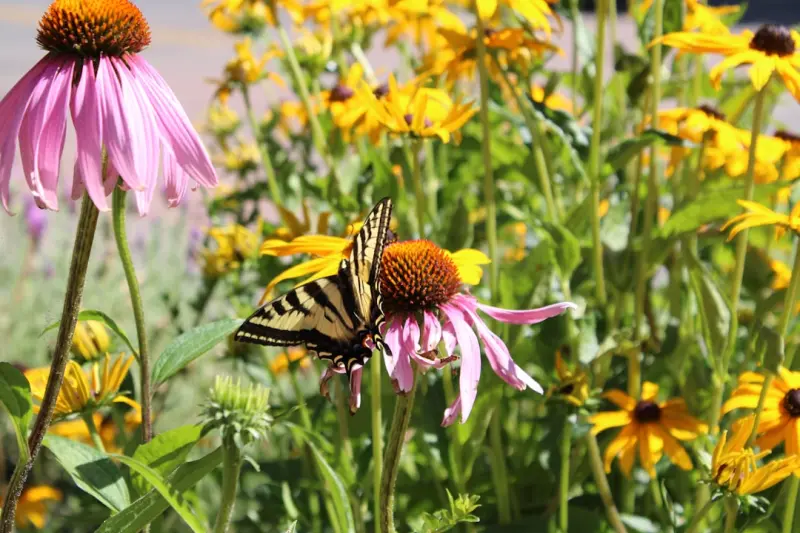
Backyard Biodiversity: A Practical Guide to Creating a Thriving Wildlife Habitat
Learn to transform your garden into a thriving wildlife haven using native plants, simple water feat... Read More
The Garden Desk Revolution: How Outdoor Workspaces Are Transforming Home Life
Explore the rise of garden desks and learn practical steps to create an outdoor workspace that blend... Read More

Smart Irrigation Made Simple: A DIY Guide to a Tech‑Savvy Garden
Transform your backyard with a DIY smart irrigation system that saves water, reduces upkeep, and let... Read More
Top Posts

AI‑Powered Personal Knowledge Networks: Turning Data Overload into Insight
Explore AI‑powered personal knowledge networks that organize and synthesize your data, turning overload into actionable insight and empowering smarter decisio...Read More

Micro‑Rituals for Radiant Skin and Calm Minds
Learn the power of micro‑rituals: easy DIY serum recipes, mindful breathing, and sensory cues that boost skin health and calm the mind, all in a sustainable d...Read More

Empowering Employees to Design Their Own Career Pathways
A fresh look at employee‑designed career pathways reveals how transparent skill taxonomies, AI insights, and peer learning can turn a static workforce into a ...Read More

When Offline Becomes Oasis: Crafting Digital Sabbaths for Mental Wellness
Learn why intentional digital sabbaths are essential for mental health, how to design effective offline periods, and the science behind unplugging to boost clar...Read More
0 Comments
Post Comment
You will need to Login or Register to comment on this post!