
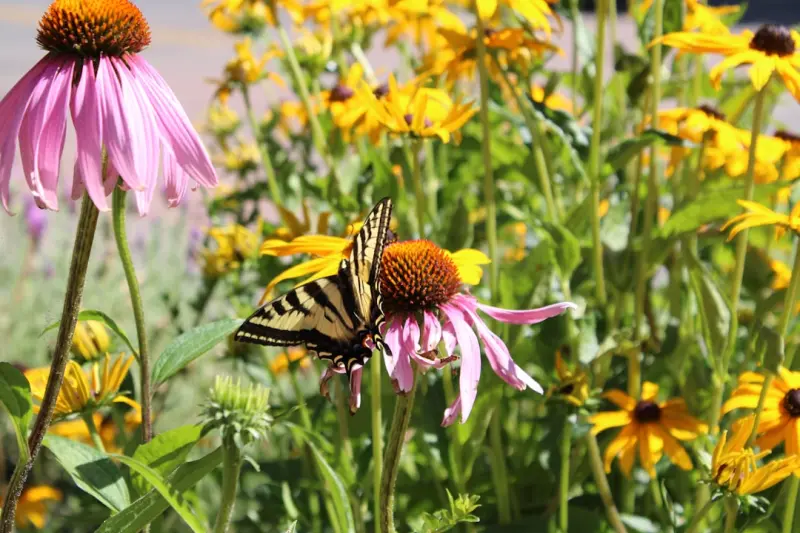
Why Backyard Biodiversity Matters
When I first turned my neglected lot into a weekend retreat, I realized that a garden isn’t just a pretty backdrop—it’s a bustling community of life. Backyard biodiversity boosts soil health, supports pollinators, and gives you a front‑row seat to nature’s daily theater. By inviting insects, birds, and small mammals in, you create a resilient micro‑ecosystem that pays back with fewer pests and richer harvests.
Choosing the Right Native Plants
My secret weapon has always been native plants, the species that evolved right here and know the local climate better than any imported variety. They demand less water, resist disease naturally, and provide the exact nectar or seed sources that native pollinators crave. Start with a simple list of local wildflowers, grasses, and shrubs, then layer them for year‑round bloom and shelter.
Designing Habitat Zones
Instead of a single, uniform lawn, I break my yard into purpose‑built zones that serve distinct wildlife needs. A sunny pollinator garden attracts bees and butterflies, while a shaded corner of leaf‑litter and fallen logs becomes a haven for beneficial beetles and ground‑nesting birds. Adding a modest water feature creates a drinking stop for hummingbirds and a breeding site for amphibians.
Preparing Soil for a Healthy Ecosystem
Before planting, I treat the soil like a living canvas, amending it with compost, aged manure, and a dash of rock phosphate. This organic mix feeds microbes, improves structure, and retains moisture, giving seedlings the best possible start. I also run a simple soil test to balance pH, ensuring that the native species I choose can thrive without chemical intervention.
Plant Picks That Invite Pollinators
Some of my go‑to choices include milkweed for monarch butterflies, coneflower for golden‑eyed sweeps, and blazing asclepias for bees that love a high‑nectar punch. I also sprinkle in nectar‑rich herbs like lavender and thyme, which double as culinary delights for the kitchen. By mixing plants that bloom at different times, you guarantee a steady food source from early spring through late fall.
Building Shelter and Nesting Spots
Wildlife needs more than food—it craves safe places to rest and raise its young. I hang wooden bee houses, stack piles of dry sticks, and leave a few undisturbed shrubs for songbirds. Even a simple rock garden with crevices can become a reptile refuge, adding another layer of biodiversity to the landscape.
Water Features That Sustain Life
A shallow birdbath filled with fresh water attracts hummingbirds, finches, and even curious squirrels, while a small rain barrel feeds a drip‑irrigated pond that supports amphibians. I line the pond with native aquatic plants like water lilies, which provide cover and oxygen for tadpoles. Maintaining clean water with a fine mesh screen prevents mosquito breeding without the need for chemicals.
Low‑Maintenance, Eco‑Friendly Practices
To keep the habitat thriving without endless labor, I lean on mulching, drip irrigation, and strategic pruning. Mulch locks in moisture, suppresses weeds, and slowly breaks down to feed the soil—an easy win for any homeowner. For deeper inspiration on sustainable home upgrades, check out Eco‑Friendly Home Renovation, which shows how upcycled materials can blend seamlessly with a natural garden aesthetic.
Watching, Learning, and Sharing the Joy
There’s a quiet satisfaction in watching a bumblebee dust a newly opened flower or hearing the soft rustle of a night‑time cricket chorus. I keep a simple garden journal, noting which species appear and when, turning observations into a personal guidebook. Invite neighbors and friends for a casual “biodiversity walk” and watch their curiosity blossom—just as yours did when you first set foot in the garden.

Jimmy Damon loves to right on a large scale of topics with all things Canadian as this Montreal die hard loves hockey. fishing and sports.
Related Posts
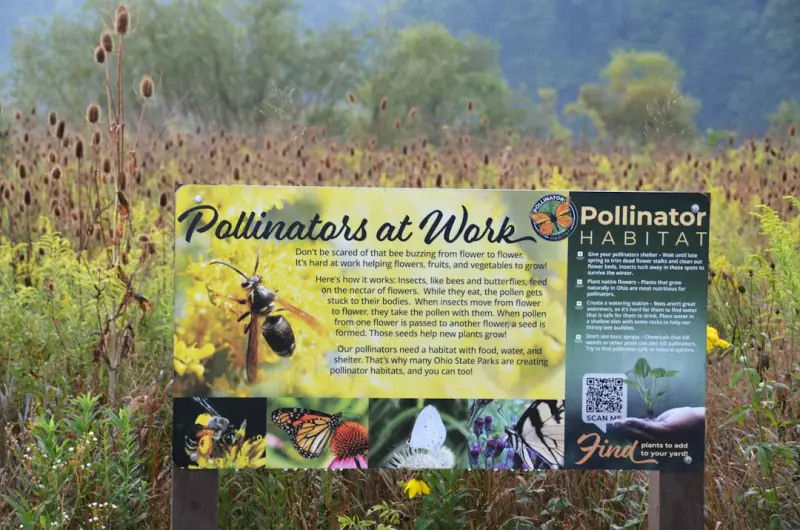
Cultivating a Pollinator Highway: Transform Your Yard into a Wildlife Superhighway
Discover step‑by‑step strategies for creating a pollinator-friendly garden, from selecting nativ... Read More
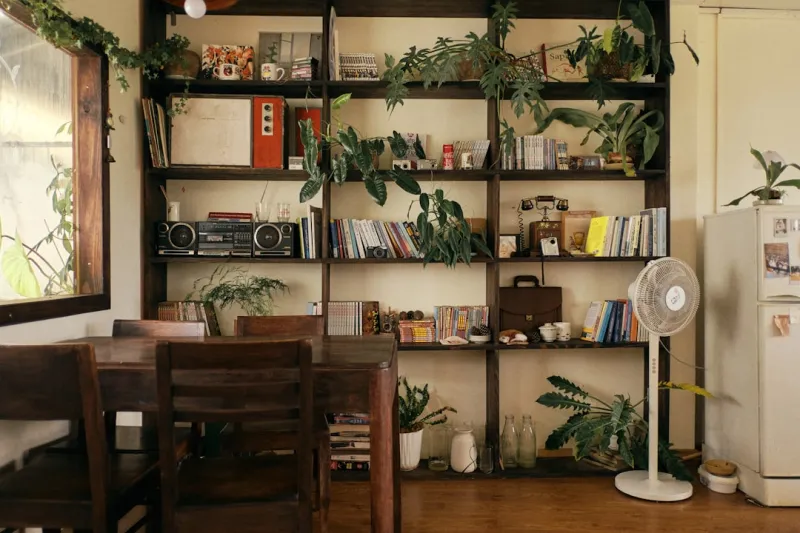
How a Garden Desk Transformed My Home Life
From a sunny patch to a thriving workspace, a garden desk changed my daily routine, family dynamics,... Read More

The Art of Garden Soundscapes: Turning Your Yard into a Musical Sanctuary
Explore the new dimension of garden design by adding sound: from wind chimes to water features, lear... Read More
Top Posts
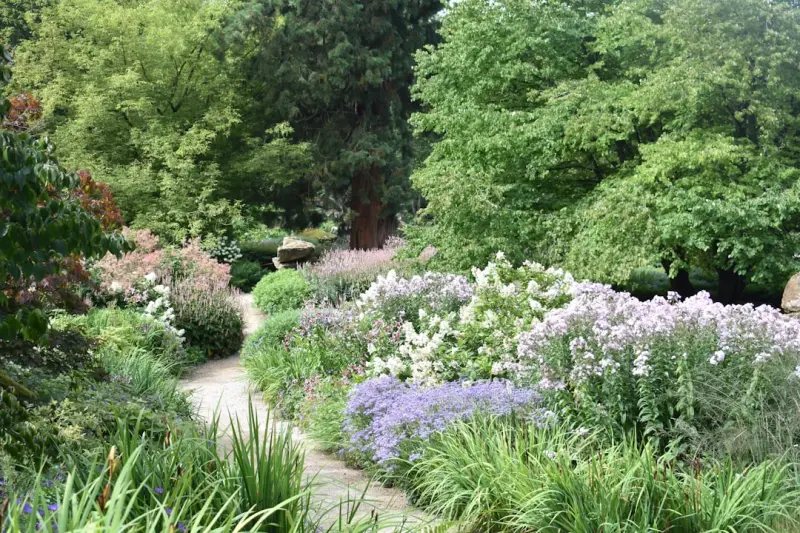
Designing Climate‑Resilient Gardens: A Practical Guide for Homeowners
A step‑by‑step guide to building a garden that conserves water, supports biodiversity, and stays vibrant through heatwaves and drought, using native plants,...Read More

Your AI Learning Companion: Turning Curiosity into Mastery
An AI learning companion transforms the chaos of endless information into a personalized, context‑aware mentor that accelerates upskilling, enhances retention...Read More

Wearable Skin Sensors: A New Personal Care Revolution
Wearable skin sensors provide real‑time feedback on hydration, UV exposure, and pH balance, enabling a smarter, minimalist personal care routine that adapts t...Read More

Storytelling for Cognitive Resilience: How Narrative Shapes Mental Health
Explore the science behind narrative’s impact on the brain and learn practical storytelling habits—like micro‑journaling and future‑self letters—that ...Read More
0 Comments
Post Comment
You will need to Login or Register to comment on this post!