
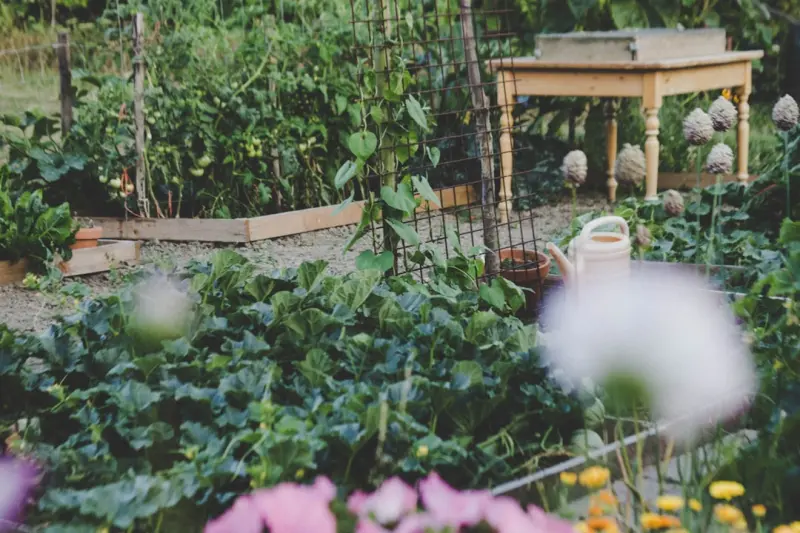
Why an Edible Landscape Is the Next Big Thing in Home Gardens
When I first stepped onto my grandparents’ backyard, the scent of rosemary, the splash of tomato vines, and the hum of bees created a memory that still fuels my design choices today. I wasn’t just looking at a garden; I was seeing a kitchen, a classroom, a sanctuary—all rolled into one. That epiphany sparked a personal mission: to prove that a garden can be both breathtakingly beautiful and undeniably useful. In an age where people crave authenticity, sustainability, and fresh food, the edible landscape is the answer we’ve been waiting for.
Redefining “Landscape” – Beauty Meets Nutrition
Traditional landscaping often separates aesthetics from utility. Lawns are manicured, flower beds are ornamental, and vegetable patches are tucked away in the shadows. An edible landscape shatters that binary. It embraces dual‑purpose plants—species that please the eye while providing nourishment. Think of a cascade of purple basil spilling over a stone wall, or a hedge of kale that doubles as a privacy screen. The visual rhythm of the garden becomes a living pantry.
Start With a Canvas: Mapping Your Space
Before you buy the first seed packet, take a step back and treat your yard like a blank canvas. Grab graph paper (or a digital tool) and sketch out existing structures: patios, pathways, sunlight patterns, and wind corridors. Identify micro‑climates—sun‑baked corners, shady nooks, and spots that stay damp. These nuances will guide which edible plants thrive where. For instance, a south‑facing wall is perfect for heat‑loving peppers, while a north‑leaning pergola offers a cool haven for lettuce and herbs.
Choosing the Right Dual‑Purpose Plants
Not all edible plants are garden‑worthy. The trick is to select varieties that offer texture, color, and form that complement your overall design vision. Below is a starter list, grouped by function:
- Groundcovers & Spreads: Creeping thyme, wintergreen, and low‑growing strawberry. They create a carpet of green that releases fragrance when stepped on.
- Climbers & Vines: Kiwi, hardy kiwi, and grapevines can be trained over trellises, arches, or even the side of a shed, adding vertical interest.
- Shrubs & Small Trees: Dwarf pomegranate, olive trees, and berry bushes provide structure, shade, and seasonal fruit.
- Herbaceous Perennials: Lavender, rosemary, and sage give year‑round foliage and blossoms, while also supplying culinary delights.
- Annuals with Flair: Rainbow chard, heirloom tomatoes, and ornamental kale bring bold color that matures into a harvest.
When choosing, ask yourself three questions: Does it look good throughout the season? Does it complement neighboring plants? Does it deliver a harvest I’ll actually use?
Soil & Water—The Unsung Heroes
Healthy soil is the foundation of any thriving edible landscape. Begin with a soil test (many local extensions offer free kits). Amend with organic compost, aged manure, and a touch of biochar to improve structure and nutrient retention. Mulching not only suppresses weeds but also conserves moisture—a crucial benefit for water‑wise gardeners.
Consider installing a drip‑irrigation network. Modern kits are affordable and can be controlled via smartphone apps, ensuring each plant gets the precise amount it needs. If you’re a tech‑curious homeowner, you might explore home light hacks that also include solar‑powered water timers—an elegant blend of sustainability and convenience.
Seasonal Design & Crop Rotation
One of the most rewarding aspects of an edible landscape is its dynamic nature. Unlike static flower beds, your garden evolves with the seasons. Plan for succession planting: sow cool‑season greens (like spinach and arugula) in early spring, replace them with warm‑season beans and squash as the days lengthen, and finish with winter‑hardy kale or Brussels sprouts. This rotation not only maximizes harvests but also reduces pest pressure.
Layering is another powerful technique. Plant deep‑rooted vegetables (such as carrots) beneath shallow‑rooted herbs (like cilantro). This maximizes vertical space and ensures each layer draws nutrients from a different soil stratum, reducing competition.
Welcoming Wildlife: The Secret to a Self‑Sustaining Garden
A garden that feeds you should also feed the ecosystem. Incorporate native pollinator plants—borage, bee balm, and coneflower—to attract bees, butterflies, and beneficial insects. Install a small pond or birdbath, and add nesting boxes for solitary bees. These allies naturally manage pests, meaning fewer chemicals and a healthier harvest.
Maintenance Made Simple
Many fear that an edible landscape requires a full‑time gardener. In reality, strategic planning reduces upkeep dramatically. Here are three low‑effort habits:
- Prune with Purpose: Trim herbs regularly to promote bushier growth and prevent flowering, which can make leaves bitter.
- Harvest Early and Often: Picking fruits and vegetables at peak ripeness encourages the plant to produce more.
- Seasonal Clean‑Up: After each harvest, clear spent foliage, add it to the compost, and lay fresh mulch to protect soil over winter.
By treating maintenance as a series of small, enjoyable rituals, you’ll find that caring for your garden becomes a form of meditation rather than a chore.
Tech Tools That Complement, Not Compete
If you love data‑driven decisions, a simple soil‑moisture sensor can alert you when the top inch of soil dries out, preventing over‑watering. For those who enjoy visual inspiration, consider using a garden‑planning app that lets you simulate plant spacing and growth patterns before you break ground. These tools keep you informed without overwhelming you—an approach reminiscent of the balanced mindset I’ve cultivated in my professional life.
Inspiration From Other Creative Spaces
Designing an edible landscape shares many principles with creating inspiring work environments. Just as a well‑arranged office can boost productivity, a thoughtfully designed garden can enhance mental clarity and physical health. If you’ve ever enjoyed the benefits of short, purposeful retreats, you’ll appreciate how a backyard oasis acts as a daily micro‑escape. For a deeper dive into how small, intentional experiences can spark creativity, check out our article on micro‑getaways.
Final Thoughts: Planting a Legacy
Transitioning from a conventional yard to an edible landscape is an act of stewardship—of the land, of your health, and of future generations. It’s an invitation to watch a seed become a meal, to hear the crunch of a freshly harvested carrot, and to feel pride every time a neighbor asks for a handful of herbs. The garden becomes a living narrative, one that evolves with each season and each harvest.
So, roll up your sleeves, sketch that plan, and start planting. Your backyard is waiting to become the most beautiful kitchen you’ve ever owned.

Dale Peterson is a freelance writer with a passion for technology, travel, law and personal finance. With 10 years of experience crafting compelling and informative content, he's dedicated to delivering high-quality writing for Blogging Fusion that engages audiences and achieves specific goals.
Related Posts

Seasonal Window‑Box Mastery: Turning Your Sill into a Living Canvas
A step‑by‑step guide to turning a simple window sill into a vibrant, seasonal garden that boosts... Read More
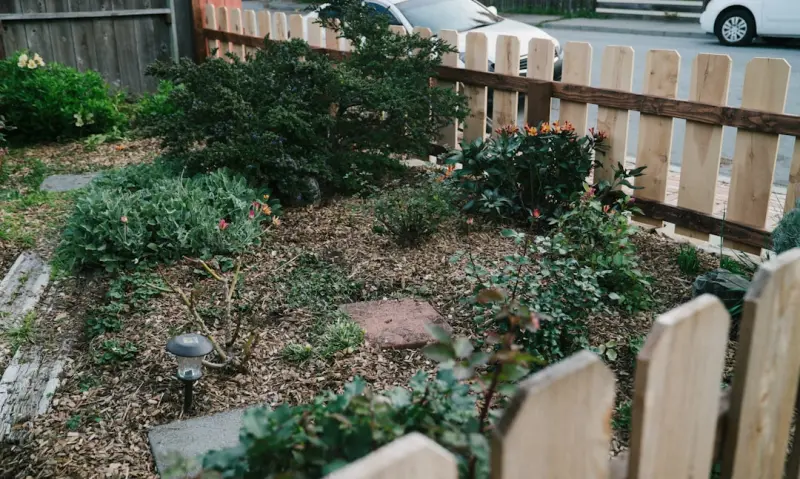
Edible Landscape Design: Turning Your Yard into a Food Forest
Learn how to transform your backyard into a productive food forest using layered planting, soil heal... Read More
How to Craft a Welcome‑Mat Worthy Entryway That Sets the Day Right
A well‑designed entryway can lower stress, improve flow, and set a positive tone for the day. Disc... Read More
Top Posts
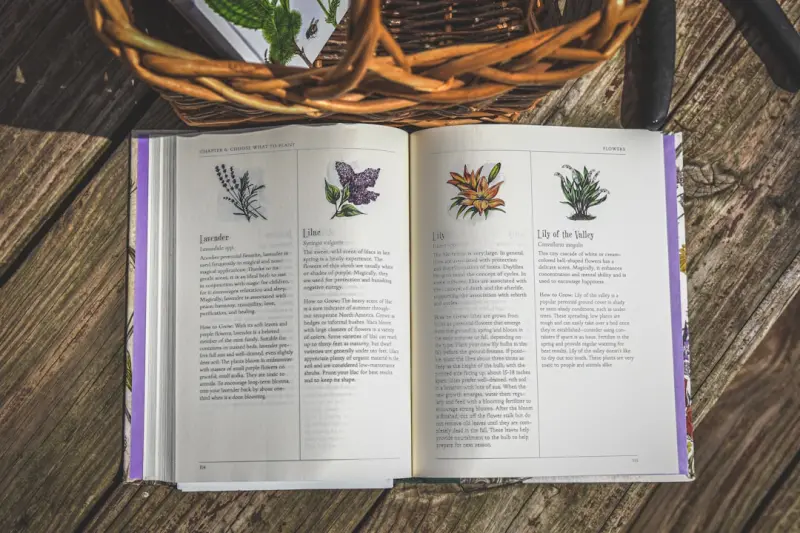
Cultivating a Year‑Round Aromatherapy Garden Inside and Out
Learn to create a year‑round aromatherapy garden that blends scent, design, and wellness, turning any space into a fragrant sanctuary....Read More
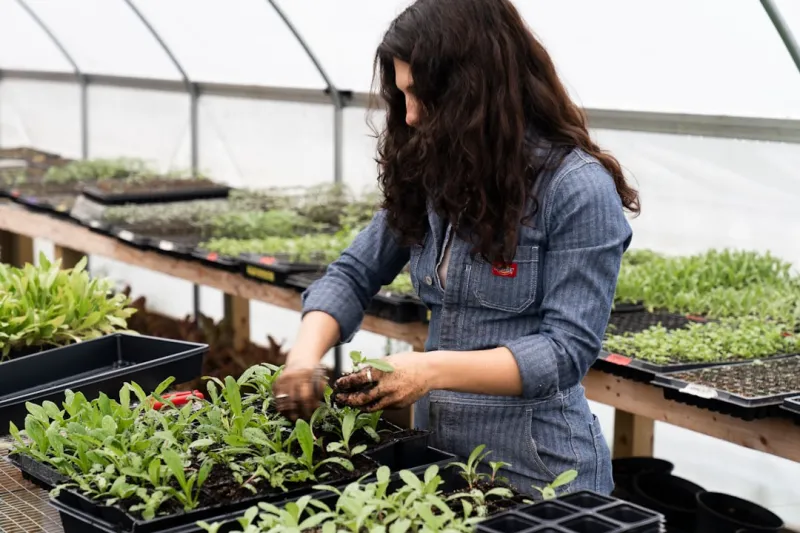
Cultivating Career Growth: Why Garden Desks Are the Future of Employment
Explore the rise of garden desks as a game‑changing tool for career resilience, creativity, and well‑being in today’s evolving employment landscape....Read More

From My Desk to Yours: Navigating the New Era of Employment
A fresh look at remote work trends, the hidden costs of home offices, and practical tips to design a cozy, productive workspace....Read More
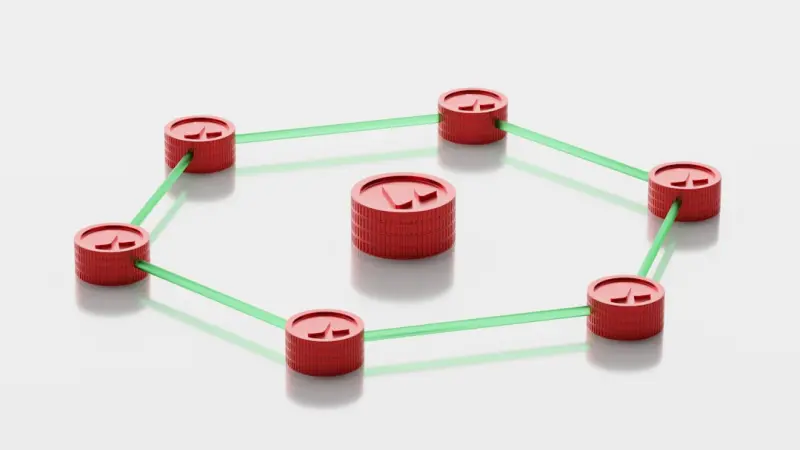
Internal Networking: Turning Relationships into Career Capital
Learn a tactical playbook for building authentic internal relationships that become powerful career capital, from micro‑interactions to reverse mentorship....Read More
0 Comments
Post Comment
You will need to Login or Register to comment on this post!