
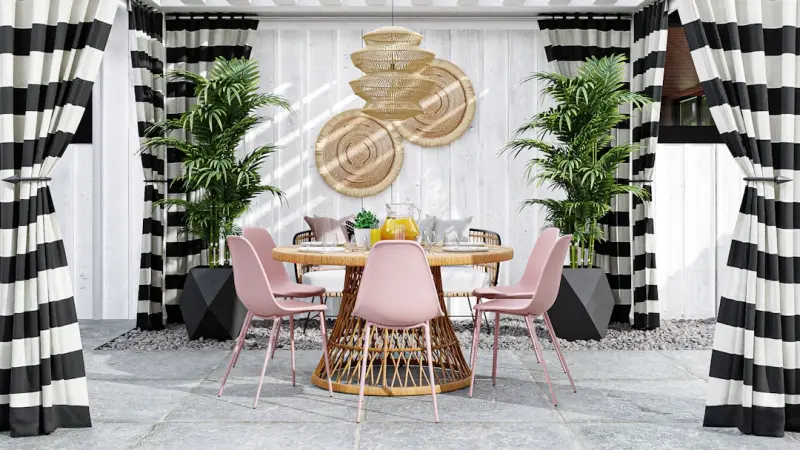
Why a Year‑Round Outdoor Living Room Is the Next Home Upgrade
Imagine stepping out onto a patio that feels just as inviting in a crisp autumn breeze as it does under a summer sun, a space that blurs the line between indoor comfort and garden serenity; this is the promise of a year‑round outdoor living room, a design philosophy that treats the backyard not as a seasonal afterthought but as an extension of the home’s core living area. Creating a functional outdoor room means rethinking how we use walls, roofs, and even the earth itself, turning them into protective yet breathable envelopes that invite relaxation, conversation, and even work throughout the seasons. By approaching the garden as a flexible, climate‑responsive room, homeowners can unlock hidden square footage, reduce indoor heating and cooling loads, and cultivate a deeper sense of place that nurtures both body and mind.
Mapping the Space: Zones, Flow, and Existing Architecture
The first step in this transformation is a thoughtful site analysis, a process that begins with a simple sketch of the property’s contours, sun paths, and prevailing winds, then evolves into a zoning plan that designates areas for dining, lounging, and shelter; each zone should flow organically from the next, guided by the natural rhythm of foot traffic and sight lines. Leveraging existing structures—such as a pergola, a detached shed, or even a sturdy fence—can provide instant shelter and visual anchor points, reducing the need for extensive new construction while preserving the garden’s character. When you position the main seating cluster on the side of the house that receives the most sunlight in winter, you create a passive solar gain that can be amplified with low‑profile glazing or clear polycarbonate panels, turning a simple patio into a passive‑heat collector that feels warm and welcoming even on the coldest days.
Choosing Furniture and Materials That Thrive Outdoors
Outdoor furniture must be both inviting and resilient, so materials like teak, powder‑coated aluminum, and woven resin wicker become the go‑to choices, offering a balance of durability, comfort, and aesthetic warmth that ages gracefully with exposure to the elements; cushions should be wrapped in UV‑resistant, water‑repellent fabrics that can be stored or swapped out as the seasons change. Incorporating modular pieces—such as sectional sofas that can be rearranged or folded away—provides the flexibility to expand the living area for a summer barbecue or contract it for an intimate winter gathering, while built‑in storage benches double as seating and a stash for blankets, fire‑log, or seasonal decor. By selecting a cohesive color palette inspired by the garden’s flora—soft sage, muted terracotta, or deep navy—you create a visual harmony that ties the indoor décor to the outdoor sanctuary.
Heating, Cooling, and Year‑Round Comfort Solutions
Maintaining comfort across temperature extremes is less about high‑tech gadgets and more about strategic layering of heat sources, such as a wood‑burning fire pit, a sleek propane patio heater, or an infrared panel that radiates warmth without the glare of an open flame; each option can be paired with a simple windbreak—like a living hedge or a decorative lattice draped with outdoor curtains—to funnel heat where it’s needed most. In the heat of summer, a misting system or a strategically placed water feature creates evaporative cooling, while high‑density shade sails or retractable awnings provide adjustable protection from the sun’s peak rays, reducing glare and keeping the space comfortably cool. By integrating these passive and active climate controls, you can enjoy your outdoor room from the first frost to the last bloom without relying on indoor HVAC systems.
Lighting Design: From Ambient Glow to Functional Illumination
Outdoor lighting should be layered just like interior lighting, starting with a soft ambient base—think low‑voltage LED string lights draped along the pergola or recessed step lights that guide the footpath—followed by task lighting for cooking or reading, such as adjustable spotlights mounted on the bar or a pendant lamp over the dining table; finally, accent lights highlight architectural features, sculpture, or a standout tree, adding depth and drama after dark. Solar‑powered fixtures reduce energy consumption and can be placed wherever wiring is impractical, while dimmable smart bulbs let you tailor the mood with a simple app, transitioning from a bright evening dinner to a twinkling, fire‑fly‑like ambiance for a late‑night conversation. Thoughtful lighting not only extends the usable hours of your outdoor room but also creates a safe, welcoming environment that invites lingering.
Plant Selections for Seasonal Interest and Structural Beauty
Choosing the right plant palette is essential for a garden that feels alive year‑round; evergreen shrubs such as boxwood or dwarf conifers provide a steady backdrop, while ornamental grasses add texture and movement that sway gently in the wind, creating a kinetic backdrop even in winter. Deciduous trees with striking bark—like river birch—or bold fall foliage, such as Japanese maple, become seasonal focal points, while fragrant perennials—lavender, rosemary, or sage—not only please the senses but also attract pollinators that enhance the garden’s ecological health. Grouping plants in drifts according to height, color, and bloom time ensures continuous visual interest, and using planters on the patio allows you to swap out annuals for fresh color schemes without re‑planting the entire garden each season.
Edible Touches: Integrating Kitchen Gardens Into the Living Space
Blurring the line between ornamental and edible gardening adds functional beauty, and a well‑placed herb wall or raised vegetable beds can serve as both a source of fresh flavors and a decorative element, especially when the plants are chosen for their foliage texture and scent; basil, mint, and thyme thrive in containers that double as stylish side tables, while dwarf fruit trees—like espaliered apples or figs—create a living sculpture that yields harvests throughout the year. By positioning these edible features near the outdoor kitchen or bar area, you reduce the distance between harvest and plate, encouraging spontaneous cooking and fostering a deeper connection to the food you grow. This approach not only maximizes the utility of limited garden space but also reinforces the philosophy of a home that feeds the body and the soul.
Sustainable Practices That Enhance Comfort and Reduce Costs
Embedding sustainability into your outdoor living room pays dividends in comfort and wallet alike; installing a rain barrel—connected to a drip‑irrigation system—captures runoff for watering beds, while a modest compost bin tucked behind a decorative screen recycles kitchen scraps into nutrient‑rich soil for your garden, closing the loop on waste. Pairing these eco‑friendly steps with the insights from Everyday Energy Wins can help you identify additional low‑cost upgrades, such as using reclaimed wood for decking or opting for solar‑powered garden lights, further decreasing the carbon footprint. Even small sensory upgrades, like the suggestions found in Simple Sensory Hacks,—for example, adding scented grasses or a water ripple feature—can make the space feel more inviting while encouraging mindful interaction with the natural environment.
Maintenance Rhythm and Personalizing the Space Over Time
To keep the outdoor living room inviting all year, establish a seasonal maintenance calendar that outlines tasks such as cleaning and covering furniture in fall, pruning evergreen hedges in early spring, and checking the integrity of lighting and heating elements before peak usage periods; a routine that balances proactive care with occasional deep‑cleaning ensures that the space remains safe, functional, and visually appealing. Personalization evolves with the homeowner’s tastes—swap out cushions for richer fabrics as trends change, rotate plant containers to showcase new colors, or introduce artwork designed for outdoor durability to reflect your personality. By treating the garden as a living room that ages gracefully, you create a dynamic backdrop for countless memories, turning everyday moments into cherished experiences that feel both fresh and familiar.

Armed with a degree in English Literature, Jill’s journey into the digital space wasn't just a career move; it was a natural extension of her lifelong love affair with storytelling. While some writers view search engine optimization (SEO) as a rigid constraint, Jill sees it as a creative puzzle. She understands the delicate art of balancing the algorithmic demands of search engines with the human desire for resonance, emotion, and value. To Jill, keywords aren't just targets to hit; they are the breadcrumbs that lead eager readers straight to the answers they’ve been searching for.
Related Posts

Evening Garden Retreat: Light, Water, and Comfort After Dusk
Discover how to transform your backyard into a soothing evening retreat using layered lighting, gent... Read More

From Drab to Dreamy: Turning Your Backyard Shed Into a Creative Oasis
A step‑by‑step guide shows how to convert a neglected shed into a bright, multi‑functional oas... Read More

Reviving the Front Porch: From Bare Steps to a Vibrant Sanctuary
Discover how to turn a neglected front porch into a welcoming sanctuary with purposeful design, comf... Read More
Top Posts

Elevate Your Daily Personal Care with Breathwork and Self‑Massage
Learn a quick, science‑backed daily ritual that pairs intentional breathing with self‑massage, creating lasting calm, better focus, and healthier skin—all...Read More

The Skills Marketplace Revolution: Why Companies Are Turning to Freelance Talent Pools
The rise of skills marketplaces is reshaping employment, offering faster talent matching, cost savings, and cultural integration for companies that embrace flex...Read More

Quieting the Mind: How Sound Shapes Workplace Mental Health
The article reveals how thoughtful acoustic design, from sound‑absorbing panels to personalized noise‑cancelling tools, can transform noisy workspaces into ...Read More

How to Craft an Outdoor Reading Sanctuary That Invites Calm and Creativity
Discover how to transform a simple outdoor space into a dedicated reading sanctuary, blending comfortable furniture, strategic lighting, soothing plants, and se...Read More
0 Comments
Post Comment
You will need to Login or Register to comment on this post!