
Ever walked into your living room and felt a subtle, inexplicable tug of stress? The space you spend the majority of your waking hours in should be a quiet ally, not a silent saboteur. I’ve spent the last decade turning ordinary houses into homes that breathe, focus, and recover—without needing a full‑blown renovation. Below is a step‑by‑step guide to crafting a home environment that actively supports your productivity, well‑being, and sense of calm, using inexpensive, science‑backed tweaks you can start today.
1. Re‑think Your Home’s Acoustic Landscape
Most of us obsess over visual aesthetics while neglecting sound, yet acoustics have a profound impact on stress levels. Hard surfaces reflect noise, amplifying distractions. Soft, porous materials absorb sound, creating a tranquil backdrop.
- Soft‑Floor Solutions: Lay down plush area rugs in high‑traffic zones. Even a thin, high‑density rug can cut reverberation by up to 30%.
- Strategic Textiles: Hang thick curtains or drape a tapestry over bare walls. Fabric not only adds visual warmth but also damps echo.
- DIY Acoustic Panels: Frame a canvas, cover it with acoustic foam or dense felt, and mount it as wall art. The result is both functional and decorative.
When you combine these acoustic fixes, you’ll notice a calmer environment that promotes deeper concentration—a hidden productivity booster that often goes unnoticed.
2. Curate a “Scent‑Smart” Atmosphere
Our sense of smell is directly wired to the limbic system, the brain region governing emotion and memory. By intentionally selecting aromas, you can cue focus or relaxation on demand.
- Focus‑Boosting Scents: Citrus (lemon, orange) and peppermint are proven to sharpen attention. Diffuse a few drops in your home office during work blocks.
- Calming Aromas: Lavender, chamomile, and sandalwood lower cortisol levels. Place a subtle diffuser in your bedroom to ease the transition to sleep.
- Seasonal Swaps: Align scents with the calendar—think pine in winter, fresh-cut grass in spring—to keep your environment feeling fresh and intentional.
Experiment with essential oil blends and keep a scent journal to track which combinations elevate your mood and which feel overwhelming.
3. Harness the Power of Natural Light (Without the Glare)
Light is the ultimate mood regulator. Yet many homes suffer from either excessive glare or insufficient daylight. The solution lies in smart light management, not just adding more bulbs.
- Layered Lighting: Combine ambient overhead lighting, task lighting (desk lamps), and accent lighting (LED strips). This creates visual depth and reduces eye strain.
- Adjustable Shades: Install blackout curtains with a sheer inner layer. In the morning, pull the sheer for a soft glow; in the afternoon, use the blackout to prevent glare on screens.
- Reflective Surfaces: Position mirrors opposite windows to bounce light deeper into the room, making spaces feel larger and brighter.
For those seeking a deeper dive into leveraging windows for both light and greenery, check out The Secret Power of Window Boxes for inspiration on turning windows into mini‑gardens that double as natural light diffusers.
4. Create Dedicated Micro‑Zones
Open‑plan homes are trendy, but they can also blur the line between work, rest, and leisure. The key is to carve out micro‑zones—small, purpose‑driven pockets that signal to your brain what activity is expected.
- Focus Nook: A small corner with a single chair, a lamp, and a minimal desk. Keep the surface clutter‑free and only stock it with items essential for the task at hand.
- Relaxation Corner: Pair a floor cushion with a low‑profile bookshelf and a soft throw. Add a small plant to introduce a biophilic touch.
- Transition Tray: Place a decorative tray at the doorway where you can drop work‑related items (keys, phone, laptop) as you move into “home mode.” This physical act helps mentally switch contexts.
Micro‑zones are especially effective in smaller apartments where space is at a premium. By clearly defining intent, you reduce decision fatigue and improve mental clarity.
5. Optimize Your Home Entryway—Beyond Aesthetic
The entryway is the first impression your home makes on you each day. A cluttered foyer can set a chaotic tone. Transform this space into a functional hub that supports both organization and calm.
Start by installing a slim shoe rack and a wall‑mounted mail organizer. Add a small bench with hidden storage for umbrellas and seasonal items. Finally, incorporate a simple hook system for bags and coats, keeping them off chairs and floors.
For a deeper dive into entryway upgrades that pack a big punch, see Revitalizing Your Home Entryway. The article outlines how a few strategic changes can dramatically improve flow and reduce morning stress.
6. Bring the Outdoors In—But Keep It Low‑Maintenance
Indoor plants do more than prettify a room; they improve air quality, boost humidity, and have a calming effect. However, not everyone has a green thumb. Choose hardy, low‑maintenance species and position them strategically.
- Air‑Purifying Heroes: Spider plant, snake plant, and pothos thrive in low light and filter common pollutants.
- Compact Beauty: Succulents and cacti require minimal watering and fit neatly on desks or windowsills.
- Vertical Gardens: Use wall‑mounted planters to add greenery without sacrificing floor space.
Pair plant care with mindful moments: water your succulents while practicing a brief breathing exercise. This simple ritual turns routine maintenance into a mini‑reset for the day.
7. Streamline Storage with the “One‑In‑One‑Out” Rule
Clutter is the silent productivity killer. Implement a disciplined approach: for every new item you bring home, remove an existing one. This rule maintains equilibrium and prevents accumulation.
- Transparent Bins: Use clear containers for items like seasonal decor or craft supplies. Visibility reduces the temptation to hide things “just in case.”
- Label Everything: Labels make it easier for every household member to return items to their proper place, reinforcing good habits.
- Multi‑Function Furniture: Opt for ottomans with hidden storage, beds with built‑in drawers, or coffee tables with shelves underneath.
8. Introduce “Digital Sunset” Zones
Our homes have become tech hubs, but constant screen exposure can disrupt circadian rhythms. Designate a specific area—perhaps the living room corner—as a digital‑free sanctuary after sunset.
- Warm Lighting: Switch to amber or red‑tinted bulbs after 8 p.m. to cue melatonin production.
- Analog Alternatives: Keep books, journals, and board games within arm’s reach for low‑stimulus entertainment.
- Screen Storage: Use a decorative basket to store phones, tablets, and remote controls, creating a physical barrier between you and the devices.
This habit not only improves sleep quality but also encourages family interaction and mental unwinding.
9. Smart Home, Smarter Energy Use
Technology can be a friend to home comfort when used wisely. Smart thermostats, adaptive lighting, and occupancy sensors help you maintain optimal conditions without manual adjustments.
- Thermostat Scheduling: Program temperature drops during work hours and raise it just before you return, conserving energy and saving money.
- Motion‑Activated Lights: Install sensors in hallways and bathrooms to prevent lights from staying on unintentionally.
- Voice‑Controlled Scenes: Create “focus,” “relax,” and “sleep” scenes that adjust lighting, temperature, and even background sound with a single command.
When integrated thoughtfully, these tools become invisible assistants, allowing you to focus on living rather than managing the house.
10. Personalize With Meaningful Objects
Finally, never underestimate the emotional power of personal artifacts. A framed photo, a travel souvenir, or a handcrafted piece can anchor you to positive memories and foster a sense of belonging.
- Rotate Displays: Change the featured artwork or photograph seasonally. This keeps the environment fresh and gives you a reason to revisit cherished moments.
- Story Corners: Dedicate a small shelf to items that tell a story—perhaps a collection of postcards from a favorite city, each accompanied by a brief note.
- DIY Touches: Personal projects like hand‑painted coasters or a custom candle holder add authenticity and pride to the space.
These intentional details transform a house from a mere shelter into a narrative canvas that reflects who you are and how you want to feel each day.
Putting It All Together: A 30‑Day Home Transformation Plan
Implementing every tip at once can feel overwhelming. Here’s a realistic, step‑by‑step roadmap:
- Day 1‑5: Audit your acoustic environment. Add rugs, curtains, or acoustic panels where echo is most pronounced.
- Day 6‑10: Introduce scent diffusers. Experiment with focus and relaxation blends, noting effects in a journal.
- Day 11‑15: Optimize lighting. Install layered fixtures and test adjustable shades.
- Day 16‑20: Create micro‑zones. Define a focus nook, a relaxation corner, and set up a transition tray at the entry.
- Day 21‑25: Revamp the entryway using the principles from the linked article. Add storage solutions and a calming visual element.
- Day 26‑30: Incorporate plants, set up digital sunset zones, and fine‑tune smart home settings.
At the end of the month, you’ll have a cohesive environment that not only looks great but also works for you—enhancing focus, reducing stress, and fostering well‑being.
Remember, home is a dynamic system. Small, intentional adjustments compound over time, delivering lasting benefits that far outweigh the effort invested. Start with one change today, and watch your living space evolve into a sanctuary that fuels your best self.

Robert Mathews is a professional content marketer and freelancer for many SEO agencies. In his spare time he likes to play video games, get outdoors and enjoy time with his family and friends .
Related Posts
Boost Focus at Home with Simple Acoustic Upgrades
Learn practical, budget‑friendly acoustic improvements—from strategic soft furnishings to DIY so... Read More
Quiet Corners: How to Design Acoustic Sanctuaries in Any Home
Discover practical, budget‑friendly ways to transform any room into an acoustic sanctuary, from DI... Read More
Designing a Home Workspace That Grows With You
Discover practical strategies for building a flexible home workspace—zone planning, modular furnit... Read More
Top Posts

Cold Exposure: A Simple Habit for Lasting Vitality
Explore the science and practical steps behind cold exposure, from 30‑second showers to weekly ice baths, and learn how this humble habit can transform your h...Read More

The Five‑Senses Garden: Designing a Home Oasis You Can Touch, Hear, Smell, See, and Taste
Explore how to create a garden that engages all five senses—touch, sound, smell, sight, and taste—through thoughtful plant choices, DIY projects, and season...Read More
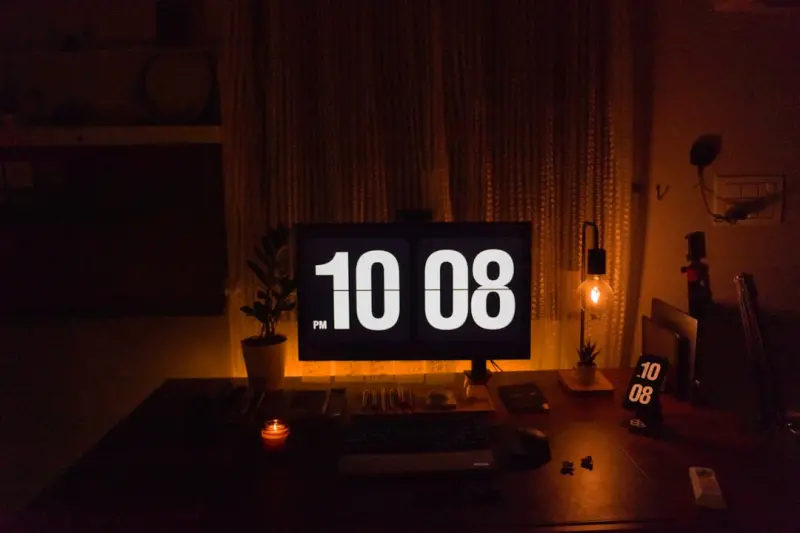
When the Inbox Never Sleeps: Crafting Digital Boundaries for Mental Clarity
Discover practical strategies to manage constant connectivity, from curating notifications and designing screen‑free spaces to embedding micro‑recovery habi...Read More

Why Curated Micro‑Learning Beats Traditional Training in Today’s Job Market
Micro‑learning transforms skill development into quick, impactful bursts, giving professionals a competitive edge and meeting employer demand for agile talent...Read More
0 Comments
Post Comment
You will need to Login or Register to comment on this post!