
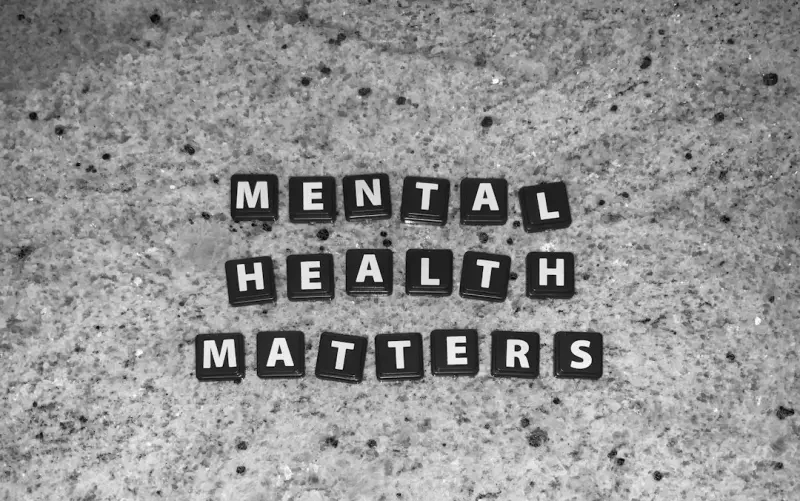
Why Curating Your Personal Space Is the Unsung Superpower for Mental Well‑Being
When I first stepped into a coworking hub that looked more like a boutique gallery than an office, I felt an unexpected surge of calm. The muted colors, the intentional placement of plants, the subtle hum of a well‑tuned HVAC system—all of it whispered, “You belong here.” That moment sparked a realization that goes beyond the buzzwords of “productivity” and “focus”: the environments we curate for ourselves are the first line of defense against mental fatigue, anxiety, and the creeping sense of overwhelm that haunts knowledge workers today.
It’s easy to blame external pressures—tight deadlines, endless Zoom calls, the ever‑present ping of a notification—but the truth is that our internal landscape mirrors the external one. When the physical space is chaotic, our thoughts scatter. When it’s harmonious, our mind can settle into a state of quiet concentration. This isn’t a new concept in design theory; it’s a practical, science‑backed strategy that many high‑performing teams are beginning to adopt, yet it remains largely invisible in most corporate wellness programs.
The Neuroscience of Space
Our brains are wired to respond to visual and tactile cues. The right lighting triggers dopamine pathways that enhance motivation, while natural elements—like wood, stone, or a splash of greenery—activate the parasympathetic nervous system, encouraging relaxation. Even the placement of a desk relative to a window can influence circadian rhythms, which in turn affect mood, energy levels, and sleep quality.
Studies from environmental psychology show that individuals who work in spaces with abundant natural light report a 20% reduction in stress and a 15% boost in overall satisfaction. Meanwhile, cluttered desks are linked to heightened cortisol, the body’s primary stress hormone. The takeaway? A thoughtfully curated workspace is not a luxury; it’s a neuro‑protective tool.
From Corporate Cubicles to Personal Sanctuaries
In many modern offices, the “one‑size‑fits‑all” approach still dominates. Open‑plan layouts, uniform furniture, and sterile color palettes are intended to foster collaboration, yet they often leave employees feeling exposed and mentally drained. The shift I advocate for is less about redesigning entire offices and more about empowering each individual to personalize their micro‑environment.
Think of it as a mental‑health micro‑habitat that you can assemble with items that speak to you:
- Lighting: A desk lamp with adjustable temperature lets you transition from energizing cool light in the morning to warm amber in the evening.
- Plants: Even a single pothos or a small succulent can improve air quality and provide a visual anchor for the mind.
- Texture: A soft mouse pad, a tactile desk organizer, or a woven rug underfoot can ground sensory perception.
- Sound: Noise‑cancelling headphones or a discreet white‑noise machine help block distracting chatter.
- Personal Artifacts: A framed photo, a travel souvenir, or a piece of artwork that evokes positive memories.
Each element is a deliberate cue that tells your brain, “You are safe here,” allowing you to allocate cognitive resources to the tasks that truly matter.
Digital Boundaries Meet Physical Curation
While we’re discussing tangible objects, we can’t ignore the digital layer that overlays our workspaces. The same principles that apply to physical clutter can be translated to virtual environments. A cluttered desktop, a barrage of open browser tabs, and a notification‑filled Slack channel are the digital equivalents of a messy desk.
Implementing “digital decluttering” rituals—such as closing unused tabs, archiving old files, and setting specific times for email checks—mirrors the mental clarity you achieve by tidying your physical surroundings. Pairing these habits with a curated physical space creates a feedback loop: a clean screen invites a clean desk, and vice versa.
Case Study: Turning a Home Office Into a Mental‑Health Oasis
One of my clients, a mid‑size SaaS firm, encouraged its remote workforce to redesign their home offices using a simple framework:
- Light Audit: Employees measured the natural light in their rooms and added a daylight‑mimicking lamp where needed.
- Nature Infusion: Each team member chose one plant that resonated with them; the firm covered the cost.
- Personal Touch: Workers were asked to display an item that represented a personal achievement or cherished memory.
- Digital Sweep: A 15‑minute “desktop cleanse” was scheduled at the start of each week.
Within six weeks, the company reported a 30% drop in self‑reported burnout and a measurable increase in engagement scores. The most telling feedback came from employees who said, “I finally feel like my workspace reflects who I am, not just what I do.” This anecdote underscores how personalizing space can be a catalyst for broader cultural change.
Designing for Different Work Modes
Not every task benefits from the same environmental setup. Creative brainstorming thrives under soft, diffused lighting and a splash of color, while deep analytical work requires a cooler, high‑contrast light and minimal visual distractions. By creating multiple zones—even within a single room—you can switch mental gears without the cognitive cost of reorienting yourself.
Here’s a quick guide to setting up three core zones:
- Focus Zone: Position your primary monitor opposite a window, use a neutral color palette, and keep the desk surface clear except for essential tools.
- Creative Zone: Add a whiteboard or sketchpad, incorporate a pop of inspiring color, and allow for flexible seating (e.g., a bean bag or a standing desk).
- Recharge Zone: A small corner with a comfortable chair, a low‑light lamp, and perhaps a small bookshelf for a quick mental break.
Switching between zones signals to your brain that you’re transitioning between different types of cognitive work, reducing the mental friction that often leads to fatigue.
The Role of Community in Personal Space Curation
While personal agency is essential, community support can amplify the impact. Encouraging teammates to share photos of their workspaces on an internal channel creates a sense of collective ownership of mental well‑being. It also sparks ideas—someone may discover a novel lighting solution or a plant that thrives in low light simply by seeing a colleague’s setup.
In fact, one of our internal newsletters featured a “Workspace of the Week” spotlight. Participation grew from 5% to 45% of staff within two months, turning space curation into a shared, celebratory practice rather than a solitary chore.
Measuring the Impact: Simple Metrics That Matter
To ensure that space curation efforts translate into tangible mental‑health benefits, consider tracking the following low‑effort metrics:
- Self‑Assessment Surveys: Short, monthly check‑ins asking employees to rate focus, stress, and satisfaction on a 1‑10 scale.
- Productivity Benchmarks: Monitor task completion times for deep‑work activities before and after workspace changes.
- Well‑Being Utilization: Track attendance at optional “workspace refresh” workshops or virtual plant‑care sessions.
When you see a consistent upward trend in these numbers, you have data‑driven proof that a well‑curated environment is a strategic mental‑health investment.
Getting Started: Your First 30‑Day Action Plan
Feeling inspired but unsure where to begin? Here’s a straightforward roadmap to transform your personal space without a massive overhaul:
- Day 1‑3: Light Audit – Observe how natural light moves across your room. Add a task‑lighting lamp that mimics daylight if needed.
- Day 4‑7: Declutter Sprint – Remove non‑essential items from your desk. Store, donate, or discard anything that doesn’t serve a purpose or bring joy.
- Day 8‑12: Nature Introduction – Purchase a low‑maintenance plant and place it where you can see it without it becoming a distraction.
- Day 13‑16: Personal Artifact – Choose an item that reflects a personal milestone and display it prominently.
- Day 17‑20: Digital Cleanse – Organize your desktop, archive old emails, and set “focus blocks” on your calendar.
- Day 21‑30: Zone Creation – Designate specific corners for focus, creativity, and recharge using the guidelines above.
At the end of the month, take a moment to reflect on how these changes have affected your mood, energy, and output. The goal isn’t perfection; it’s progress.
Looking Ahead: A Culture Where Space Is a Mental‑Health Pillar
Imagine a future where every onboarding packet includes a “Workspace Wellness Kit”—a guide to lighting, a starter plant, and a checklist for personalizing your desk. Picture company-wide challenges that celebrate the most calming or innovative workspace designs, with rewards that reinforce the value placed on mental well‑being.
When organizations elevate space curation from an afterthought to a core component of employee experience, they send a powerful message: your mental health matters, and we’re giving you the tools to protect it. It’s a simple shift with profound ripple effects, from reduced turnover to higher creativity and deeper employee loyalty.
In my own practice, I’ve witnessed the transformative power of this approach. Colleagues who once dreaded logging onto their laptops now look forward to entering a space that feels like a personal sanctuary. The mental load lifts, the mind clears, and the work—once a source of stress—becomes a channel for growth.
So, whether you’re a remote freelancer, a team lead, or a C‑suite executive, consider this: your environment is the most accessible, cost‑effective, and immediate lever you have to boost mental health. Start small, stay intentional, and watch the ripple effect unfold across your team and organization.

Jessica Gills is a freelance writer carving a niche for herself by empowering others through her words. With a focus on careers, self-development, and business, she helps readers navigate the complexities of the modern professional landscape.
Related Posts
Embracing Controlled Boredom: A Counterintuitive Path to Mental Clarity
Learn why deliberately stepping into low‑stimulus moments can reset your brain, improve emotional ... Read More

Beyond Burnout: Harnessing Playful Micro‑Adventures for Mental Clarity
Micro‑adventures are brief, intentional bursts of novelty that reset the brain, lower stress, and ... Read More

Intentional Daydreaming: A Hidden Tool for Mental Resilience
Structured daydreaming turns idle mind‑wandering into a purposeful mental workout, offering measur... Read More
Top Posts

From My Garden Desk: Jimmy Damon’s Blueprint for the New Era of Employment
Jimmy Damon shows how a garden desk can transform remote work, blending nature with tech for higher productivity, lower stress, and a greener future in employme...Read More

Fermented Foods: The Unsung Heroes of Gut‑Brain Wellness
Explore the powerful link between fermented foods and the gut‑brain axis, with easy starter kits, recipes, and troubleshooting tips to elevate your health....Read More
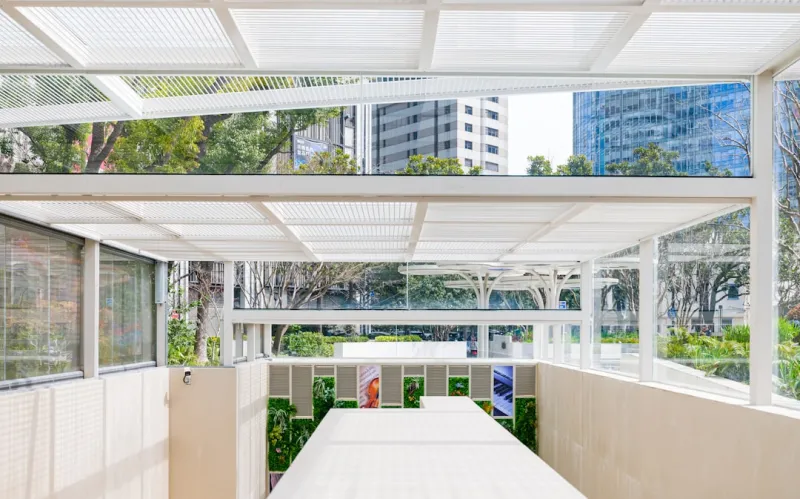
Why Outdoor Workspaces Are Redefining the Employee Experience
Explore the rise of garden desks, their impact on focus, team culture, and the future of work, and learn practical steps to create your own outdoor workspace....Read More

Smart Garden Revolution: An Intelligent Yard
Learn to upgrade your outdoor space with smart sensors, automated irrigation, solar lighting, and app‑controlled features, turning a simple garden into a tech...Read More
0 Comments
Post Comment
You will need to Login or Register to comment on this post!