
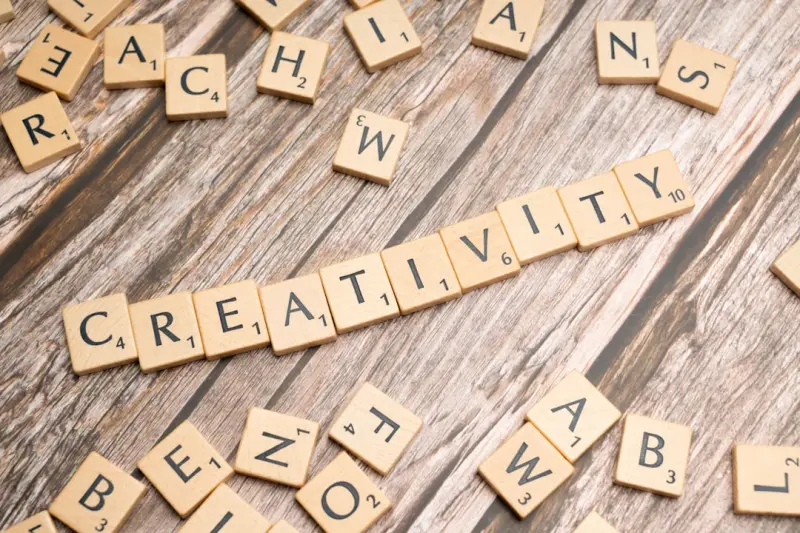
Why Creative Play Is the Missing Piece in Adult Mental Health
When I first stumbled onto a spontaneous improv class during a rainy weekend, I felt an unexpected lift—a lightness that lingered long after the laughter faded. That moment sparked a deeper curiosity about how playful improvisation can act as a mental antidote to stress, anxiety, and the endless to‑do lists that dominate adult life. Research shows that unstructured play stimulates dopamine release, fostering a sense of reward that our brains often miss in routine work. It also encourages neuroplasticity, allowing us to rewire habitual thought patterns and build resilience. In this article, I’ll share how embracing the spirit of play can reshape your mental landscape, offering practical, low‑pressure ways to integrate creativity into everyday moments.
The Science Behind Playful Brain‑Training
Our brains are wired to seek novelty, yet modern life often rewards predictability and efficiency over curiosity. When we engage in spontaneous, rule‑bending activities—like making up a story on the spot or doodling without a goal—we trigger the brain’s reward circuitry, releasing dopamine and endorphins that lift mood and sharpen focus. Simultaneously, the prefrontal cortex, responsible for executive function and emotional regulation, gets a workout, strengthening its capacity to manage stress. Studies in neuroplasticity confirm that repeated playful challenges create new neural pathways, making it easier to break free from ruminative loops. By treating the mind like a muscle that thrives on varied movement, we can transform anxiety into a sense of possibility, turning the ordinary into an arena for growth.
Simple Play Practices You Can Start Today
Integrating play doesn’t require a weekend retreat; it can begin with tiny, intentional acts. Try a five‑minute “object‑story” exercise: pick any item on your desk and invent a wild backstory for it, letting imagination run unchecked. Another favorite of mine is “yes, and…”—a classic improv rule that encourages building on a partner’s idea rather than shutting it down. Even free‑form doodling, where you abandon the pressure to create a masterpiece, can unlock hidden emotions and spark insight. The key is to remove judgment and let curiosity lead. As you experiment, you’ll notice a shift: stressful thoughts become background chatter, replaced by a playful inner dialogue that fuels problem‑solving and emotional balance.
Embedding Micro‑Play Into Your Daily Rhythm
Just as we schedule meetings and workouts, we can schedule micro‑play breaks that refresh our mental state. Set a timer for three minutes every two hours and engage in a quick, fun activity—sing a silly song, perform a goofy dance, or brainstorm three absurd uses for a common object. These brief bursts act like mental stretch breaks, preventing burnout and enhancing focus when you return to tasks. For those who thrive on structure, pairing play with existing habits works well; for example, after brushing your teeth in the morning, spend a minute visualizing a whimsical scene. Over time, these small rituals accumulate, creating a habit loop that signals to your brain that it’s safe to explore and relax.
Playful Social Connections and Shared Joy
Human beings are inherently social, and play magnifies that connection. Organize a short improv circle with friends or coworkers, where each person adds a line to a story without preparation. The shared laughter releases oxytocin, the bonding hormone, fostering trust and reducing feelings of isolation. If you prefer solo exploration, try a mindful breathing exercise while you draw, linking the calming effects of breathwork with creative flow—an approach echoed in simple breathwork techniques. The combination of rhythmic breathing and free expression deepens relaxation, helping you stay grounded while your imagination roams freely.
Overcoming the Inner Critic: From Self‑Judgment to Self‑Play
One of the biggest barriers to embracing play is the inner critic that whispers “this is pointless” or “I’m not creative enough.” To silence that voice, reframe the activity as an experiment rather than a performance. Ask yourself, “What would I try if I didn’t care about the outcome?” This shift reduces perfectionism and invites curiosity. You might also set a “play‑only” timer, committing to the activity for a fixed period regardless of how it feels. When the timer ends, evaluate the experience without judgment—what surprised you, what felt good, what sparked a new idea? Over time, the critic’s grip loosens, replaced by a supportive inner coach that celebrates exploration.
Technology as a Play Partner, Not a Distraction
While digital devices often fragment attention, they can also serve as playful tools when used mindfully. Apps that generate random writing prompts, sketching software with endless brushes, or virtual reality experiences that immerse you in fantastical worlds can all stimulate creativity. However, it’s crucial to set clear boundaries to prevent the technology from becoming another source of overwhelm. Consider a dedicated “play hour” where you disconnect from work emails and social feeds, focusing solely on the creative task at hand. This approach aligns with the principles discussed in digital boundaries for mental wellness, ensuring that tech enhances rather than hijacks your playful moments.
Tracking the Impact: From Playful Moments to Measurable Growth
To understand how play influences your mental health, keep a lightweight log of your micro‑play sessions. Note the activity, duration, and immediate mood shift—did you feel lighter, more focused, or more energized? Over weeks, patterns emerge, revealing which types of play most effectively boost your resilience. You don’t need an elaborate journal; a simple spreadsheet or a note on your phone works. By reviewing the data, you can fine‑tune your play routine, prioritizing activities that deliver the greatest emotional payoff. This reflective practice transforms playful moments into actionable insights, reinforcing the habit and deepening the sense of agency over your mental well‑being.
Embrace the Playful Path Forward
Imagine a life where stress feels like a background hum rather than a roaring storm, where challenges are met with curiosity and a smile. By weaving creative play into the fabric of daily life, you cultivate a mental environment that welcomes change, nurtures resilience, and celebrates joy. Start small, stay consistent, and watch how the simple act of play reshapes your inner narrative. Your mind, like any garden, flourishes when tended with varied, vibrant experiences—so let’s pick up the metaphorical paintbrush, the improv cue, and the whimsical doodle, and begin a new chapter of mental thriving.

Lauren Miller is a true outdoors enthusiast who has found her passion in the trades. When she's not working hard on the job, you can find her writing, camping, fishing, and exploring all that nature has to offer. A dedicated partner to her wife Beth, Lauren loves nothing more than spending quality time together and experiencing the great outdoors side by side.
Related Posts

Soundtrack Your Mind: Harnessing Personalized Audio for Mental Resilience
A deep dive into using personalized audio playlists as a mental health tool, offering practical stra... Read More

Storytelling as Therapy: Rewriting Your Inner Narrative for Better Mental Health
Discover the power of personal storytelling as a mental‑health strategy, with simple prompts, coll... Read More

Finding Mental Balance by Decluttering Your Digital Life
Learn to tame digital overload, create offline sanctuaries, and reclaim mental clarity with a stepâ€... Read More
Top Posts
Digital Reset: Crafting Cognitive Buffers for a Clearer Mind
Discover practical strategies to combat information overload by building cognitive buffers, setting intentional digital boundaries, and curating supportive envi...Read More

Why Garden Desks Are Redefining Modern Employment
Explore the rise of garden desks, how they boost focus and well‑being, and why they’re becoming essential tools for modern employment....Read More

When AI Becomes a Cross‑Cultural Translator: Bridging Global Team Gaps
A deep dive into AI-powered cross‑cultural translation, showing how real‑time contextual intelligence can bridge communication gaps, improve global teamwork...Read More

Cultivating Calm: How a Small Home Garden Transforms Everyday Life
A tiny garden can reshape your home life—learn to harness micro‑climates, seasonal rotation, and DIY containers for lasting calm and everyday wellness....Read More
0 Comments
Post Comment
You will need to Login or Register to comment on this post!