
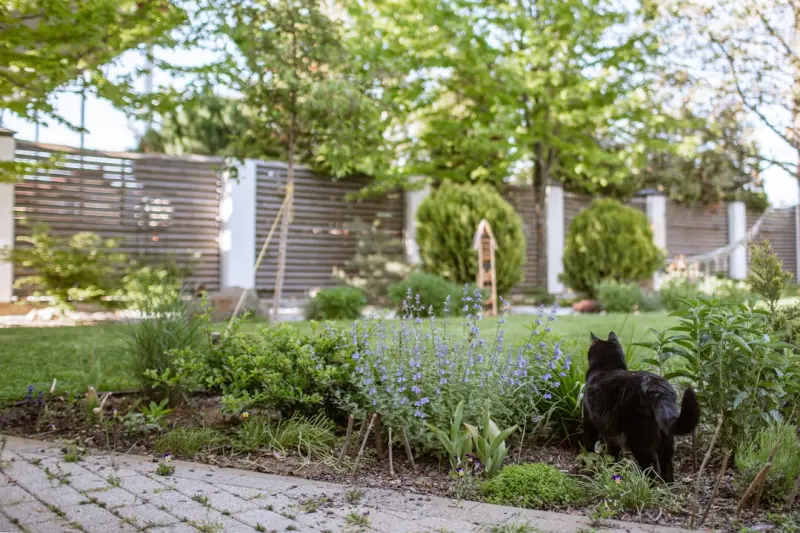
Why a Sensory Garden Is the Ultimate Outdoor Escape
Imagine stepping into your backyard and instantly feeling a wave of calm, curiosity, and joy—all without leaving home. A sensory garden is designed to engage sight, sound, smell, touch, and even taste, turning an ordinary yard into a living, breathing sanctuary. As someone who finds solace in the rustle of leaves and the subtle perfume of blooming herbs, I’ve learned that these multi‑sensory experiences can recharge our mental batteries faster than any coffee shop or weekend getaway. By thoughtfully curating elements that appeal to each sense, you create a space that not only looks beautiful but also nurtures wellbeing, encourages mindfulness, and invites play for the whole family.
Painting the Landscape: Color and Visual Delight
The first impression of a sensory garden is visual, so choosing a harmonious color palette sets the tone for everything that follows. Think of bold reds and oranges from hummingbird‑friendly petunias paired with cool blues of delphiniums, all punctuated by the soft greens of foliage plants. Layering height—tall ornamental grasses behind low‑growing groundcovers—creates depth and a sense of discovery as you wander. Incorporate reflective surfaces like mirrored stones or glazed pottery to bounce light and add sparkle, especially in the early morning or late afternoon. By mixing textures and hues, you give the eye a feast that changes with the seasons, ensuring the garden feels fresh year after year.
Touching Nature: Textures Underfoot and Through the Hands
Our feet and fingertips crave texture, and a well‑planned garden offers a tactile playground. Walk barefoot on a path of smooth river stones, feel the gentle give of mossy groundcovers, or run your hands over the feathery fronds of ferns. Incorporating a variety of leaf shapes—silky lamb’s ear, crisp sage, and fuzzy cat‑mint—invites visitors to explore with their hands, fostering a deeper connection to the environment. Adding a low‑raised boardwalk made from reclaimed wood not only provides a sturdy surface but also introduces the comforting scent of aged timber, enhancing the overall sensory experience.
Sounds of Serenity: Water, Wind, and Wildlife
Sound can transform a garden from a visual display into an immersive soundscape that soothes the soul. A modest bubbling fountain or a series of stacked ceramic bowls creates a gentle, rhythmic murmur that masks urban noise and promotes relaxation. Wind chimes, strategically placed among taller shrubs, add a melodic tinkling that varies with the breeze, while planting nectar‑rich flowers attracts hummingbirds and songbirds whose chirps become part of the daily soundtrack. Even the rustle of grasses swaying in the wind contributes a natural, ever‑changing percussion that keeps the garden lively and engaging.
Fragrant Pathways: Aromas That Invite and Heal
The sense of smell is closely linked to memory and emotion, making fragrance a powerful garden tool. Plant aromatic herbs like lavender, rosemary, and thyme near walkways so their scents drift with each step. Include flowering plants such as gardenias, jasmine, and sweet peas for evening perfume, and intersperse scented grasses like sweet vernal to add subtle undertones. By arranging these fragrant companions in clusters, you create pockets of scent that can be discovered intentionally or by chance, turning a simple stroll into a therapeutic aromatherapy session.
Taste the Garden: Edible Elements for Fun and Function
Integrating edible plants blurs the line between garden and kitchen, offering both beauty and bounty. Choose dwarf fruit trees, berry bushes, and compact vegetable varieties that produce vibrant colors and delightful flavors. Strawberry runners spilling over a decorative pot, lemon verbena beside a seating area, or a rosemary hedge bordering a patio not only please the palate but also provide fragrant foliage and visual interest. By positioning these edible delights within easy reach, you encourage spontaneous snacking and foster a deeper appreciation for where food originates.
Seasonal Rhythm: Year‑Round Interest and Low Maintenance
For a sensory garden to remain a source of joy throughout the year, plan for seasonal transitions that keep each sense engaged. In spring, focus on early‑blooming bulbs and fresh green foliage; summer brings full‑sized blooms and hummingbird activity; autumn introduces rich foliage colors, seed heads, and the crisp scent of fallen leaves; winter offers structural interest with evergreen forms and the soft hush of snow on groundcovers. Selecting native, drought‑tolerant species reduces water use and maintenance, allowing the garden to thrive with minimal effort while still delivering a rich sensory palette.
Smart Touches: Enhancing the Experience with Technology
Modern technology can subtly amplify the sensory garden without overwhelming its natural charm. A simple irrigation controller linked to weather forecasts ensures plants stay hydrated during dry spells, while solar‑powered LED lights highlight pathways and accentuate textures after dusk. For those who love data, integrating a smart garden system lets you monitor soil moisture, light levels, and temperature, adjusting care routines automatically. These intelligent touches free up time for you to enjoy the garden rather than tend to it, preserving the tranquility you sought to create.
Finishing Flourishes: Upcycled Décor and Eco‑Friendly Hacks
The final layer of a sensory garden is personal expression through décor that tells a story. Reclaimed pallets can become raised beds, vintage watering cans become decorative planters, and hand‑painted terracotta pots add splashes of color. By repurposing materials, you not only reduce waste but also introduce textures and visual quirks that spark conversation. For inspiration on sustainable projects, explore eco‑friendly garden hacks that blend creativity with environmental stewardship, ensuring your garden remains both beautiful and responsible.
Creating Your Own Sensory Haven
Building a sensory garden is an invitation to curate an outdoor sanctuary that engages every facet of your being. Start small—choose a corner, select a handful of plants that appeal to different senses, and add one tactile element or sound feature. As the space evolves, layer in additional textures, scents, and visual delights, allowing each season to bring fresh surprises. Remember, the garden is a living work of art; its true magic lies in the moments of quiet observation, the spontaneous laughter of children discovering a hidden scent, and the lingering peace that follows a deep breath of rosemary‑laden air. Embrace the process, and watch your backyard transform into a multi‑sensory retreat that nurtures mind, body, and spirit.

When it comes to the world of blogging and writing, Rose DesRochers is a name that stands out. Her passion for creating quality content and connecting with her audience has made her a trusted voice in the industry. Aside from her skills as a writer and blogger, Rose is also known for her compassionate nature.
Related Posts

Lighting the Night: Transform Your Garden with Creative Outdoor Illumination
Explore innovative, eco‑friendly garden lighting ideas that turn night into a captivating experien... Read More

Cultivating a Year‑Round Food Forest on Your Urban Balcony
Learn to transform a cramped balcony into a thriving food forest, using vertical gardens, smart soil... Read More

The Rise of Miniature Urban Forests: Turning Small Spaces into Lush Retreats
Explore the concept of miniature urban forests—layered, native plantings that turn balconies and p... Read More
Top Posts

Why Employee Side‑Projects Are the Secret Sauce for Sustainable Growth
Side‑projects aren't just hobbies—they're a strategic engine for innovation, skill development, and employee retention. Learn how to embed structured, purpo...Read More

How AI Can Become Your Personal Microlearning Mentor
Learn how AI-powered microlearning transforms idle seconds into tailored lessons, building lasting habits and accelerating skill development....Read More

Scent, Touch, and Breath: The Sensory Edge for Professional Personal Care
A practical guide to using fragrance, tactile rituals, and breathwork as powerful, everyday tools for professionals seeking heightened focus, confidence, and st...Read More

Beyond the 9‑to‑5: Crafting a Resilient Portfolio Career
In a world where the traditional 9‑to‑5 is fading, learn how to weave multiple roles, digital badges, and AI‑enhanced branding into a career that adapts, ...Read More
0 Comments
Post Comment
You will need to Login or Register to comment on this post!