
Why a Healing Herb Garden Is the Next Home Trend
Imagine stepping into your backyard and being greeted by the gentle aroma of rosemary, the soothing scent of lavender, and the vibrant green of basil all at once. Healing herb gardens are no longer a niche hobby; they are fast becoming a cornerstone of modern home wellness, offering a bridge between culinary creativity and natural therapy. In my own backyard, the simple act of tending to a row of mint and thyme has turned ordinary evenings into moments of mindful pause, reminding me that nature’s pharmacy is just a few steps away. This article will walk you through every stage of creating a fragrant, functional sanctuary that nurtures both body and soul while staying budget‑friendly and low‑maintenance.
Wellness Benefits That Go Beyond the Plate
Herbs do more than flavor food—they contain compounds that can calm nerves, improve digestion, and even support immune function. For example, a cup of chamomile tea brewed from garden‑grown blossoms can ease anxiety, while a drizzle of fresh lemon balm oil can lift your mood after a long day. By planting a diverse selection, you create a living apothecary that invites you to incorporate wellness rituals into daily routines without the need for expensive supplements. Moreover, the tactile experience of planting, pruning, and harvesting releases endorphins, reinforcing a positive feedback loop between physical activity and mental health. As you walk among the rows, the subtle rustle of leaves and the scent of crushed sage become natural stress‑relievers, turning your garden into an outdoor meditation hall.
Choosing the Perfect Spot: Light, Soil, and Flow
The success of any herb garden begins with site selection. Most culinary herbs thrive in full sun, requiring at least six hours of direct light, while a few, like mint and parsley, tolerate partial shade and can become your cool‑corner refuges on scorching afternoons. Observe your yard’s microclimates: a south‑facing wall may act as a heat‑trap, perfect for Mediterranean herbs, whereas a north‑leaning fence can host shade‑loving varieties. Consider foot traffic patterns as well; you’ll want your garden placed within easy reach of the kitchen, perhaps along a pathway that naturally draws you from the house to the herb beds. This intentional flow not only encourages frequent use but also reinforces the garden’s role as a seamless extension of your indoor living space, turning routine cooking prep into a therapeutic stroll.
Preparing the Soil: Building a Nutrient‑Rich Bed
Healthy soil is the foundation of a thriving herb garden, and enriching it doesn’t have to be complex. Start by loosening the top 12 inches of earth, removing weeds, and incorporating organic matter such as well‑rotted compost. If you’re interested in sustainable practices, check out our guide on home composting for a step‑by‑step approach to turning kitchen leftovers into black gold for your beds. Aim for a loamy texture that drains well yet retains enough moisture to keep roots happy. Adding a thin layer of aged manure or leaf mold can further boost nutrient content, promoting vigorous growth without relying on synthetic fertilizers. Once the soil is prepared, lightly tamp it down and water thoroughly to settle the medium, creating an inviting environment for seedlings to take root.
Selecting Herbs That Heal and Delight
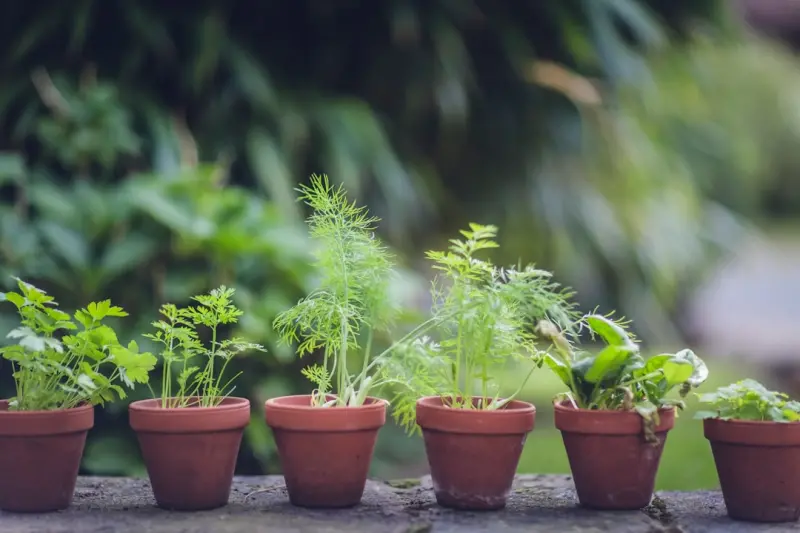
When curating your herb collection, think about both culinary versatility and therapeutic properties. Classic choices like basil, thyme, and oregano provide bold flavors for sauces and salads, while lavender, chamomile, and lemon balm excel in calming teas and aromatic sachets. For a boost of respiratory support, plant eucalyptus or peppermint near a sunny window where their fragrant oils can disperse naturally. Don’t overlook lesser‑known herbs such as holy basil (tulsi), which balances blood sugar, or comfrey, prized for its skin‑healing salve. Group plants with similar water and sunlight needs together to simplify care—herbs that love dry conditions, like sage and rosemary, can share a sunny rock garden, whereas moisture‑loving varieties, such as cilantro and dill, thrive in cooler, well‑irrigated zones. This thoughtful selection ensures a year‑round harvest of fresh, health‑enhancing ingredients right at your doorstep.
Creative Containers: Upcycling for Style and Sustainability
Not every gardener has a sprawling lawn, and even those with ample space can benefit from vertical or container planting to maximize airflow and accessibility. Repurposing everyday items into charming planters not only reduces waste but also adds personality to your herb oasis. For inspiration, explore our article on DIY upcycled planters, which showcases how old tin cans, wooden crates, and even vintage teacups can become functional homes for basil, rosemary, and more. When using containers, ensure each has drainage holes and line the bottom with a layer of gravel to prevent root rot. Group similarly sized pots together on a sturdy shelf or a rolling cart, allowing you to move them for seasonal sunlight adjustments. This modular approach keeps your garden flexible, aesthetically pleasing, and perfectly suited to small‑space living.
Smart Watering Solutions for Consistent Care
One of the most common pitfalls for new herb growers is inconsistent moisture—overwatering can drown delicate roots, while underwatering leads to wilting and stunted growth. Modern technology offers a simple fix: automated drip irrigation or a moisture‑sensing timer that delivers water precisely when needed. If you’re curious about integrating tech into your green space, our piece on smart garden technology outlines affordable kits that connect to your smartphone, letting you monitor soil humidity, temperature, and even receive alerts for fertilizer schedules. Pairing these tools with mulching—using straw, shredded bark, or cocoa shells—helps retain moisture and suppress weeds, creating a stable micro‑environment that lets your herbs flourish with minimal daily attention.
Seasonal Maintenance: Pruning, Harvesting, and Renewal
Herbs are dynamic plants that respond to regular pruning and harvesting, which encourages bushier growth and prolongs their productive lifespan. In spring, start by removing any dead or damaged foliage, then gently trim back perennials to stimulate fresh shoots. Throughout the growing season, harvest leaves in the morning after the dew has dried but before the sun’s heat intensifies, preserving essential oils for maximum flavor and potency. As summer peaks, consider pinching back flower buds on herbs like basil to redirect energy into leaf production. In the fall, cut back woody stems and mulch the beds to protect roots from frost, or relocate tender varieties into containers for indoor use during winter. By following a consistent maintenance rhythm, you ensure a bountiful, year‑round supply of aromatic, health‑boosting herbs.
Integrating the Garden Into Daily Mindfulness Practices
Beyond its culinary and medicinal roles, a herb garden serves as a natural sanctuary for mindfulness and stress reduction. Set aside a few minutes each morning to walk the rows, inhaling the crisp scent of sage or the sweet perfume of lavender, and let your thoughts settle like the gentle rustle of leaves. You can create simple rituals—such as crushing a sprig of rosemary before a work call for confidence, or brewing a fresh mint tea after a stressful meeting—to anchor your day in intentional calm. Even the act of caring for the plants—watering, trimming, or replanting—offers a tactile meditation that grounds you in the present moment. Over time, this harmonious blend of horticulture and mindfulness transforms your garden from a decorative feature into a vital component of holistic well‑being.
Final Thoughts: Your Personal Apothecary Awaits
Embarking on the journey of a healing herb garden is both an artistic and therapeutic endeavor that rewards you with fresh flavors, natural remedies, and a tranquil retreat right outside your door. By thoughtfully selecting herbs, preparing nutrient‑rich soil, employing sustainable containers, and leveraging smart watering tools, you can create a resilient oasis that thrives through seasons and supports your health goals. Remember, the garden is a living project—its success grows alongside your curiosity and care. So roll up your sleeves, dig into the earth, and let the fragrant bounty of your own backyard become the cornerstone of a more balanced, vibrant lifestyle.

When it comes to the world of blogging and writing, Rose DesRochers is a name that stands out. Her passion for creating quality content and connecting with her audience has made her a trusted voice in the industry. Aside from her skills as a writer and blogger, Rose is also known for her compassionate nature.
Related Posts
How a Garden Desk Transformed My Home Life
From a sunny patch to a thriving workspace, a garden desk changed my daily routine, family dynamics,... Read More
Garden Desk Revolution: How My Green Workspace Is Redefining Home & Garden Living
Jimmy Damon reveals how his garden desk blends nature and productivity, sparking a green workspace m... Read More

From Garden Soil to Office Success: How Rose DesRochers Is Redefining Home & Garden Living
Rose DesRochers shares her personal transformation of a garden desk into a thriving green workspace,... Read More
Top Posts

Quiet Corners: Simple Hacks to Tame Noise at Home
Learn easy, low‑cost strategies—from door sweeps and heavy curtains to DIY acoustic panels and white‑noise solutions—that help you mute disruptive sound...Read More

The Remote Professional’s Personal Care Toolkit: Essentials for Well‑Being at the Desk
A comprehensive guide to building a portable personal care toolkit that supports skin, hair, oral health, ergonomics, and mental focus for remote workers, turni...Read More

Living Employment Contracts: A Collaborative Blueprint for Modern Teams
Explore how treating employment contracts as living documents can transform talent retention, engagement, and organizational agility in today’s fast‑moving ...Read More

Cultivating Productivity: How My Garden Became the Ultimate Home Office
Jimmy Damon shares his journey turning a backyard garden into a year‑round, tech‑savvy home office, offering practical tips for design, ergonomics, and seas...Read More
0 Comments
Post Comment
You will need to Login or Register to comment on this post!