
Reframing the Muse: AI as a Collaborative Companion
In the modern creative landscape, the notion of a solitary genius laboring in isolation is rapidly giving way to a partnership model where artificial intelligence sits beside the artist, offering prompts, variations, and unexpected twists. Instead of replacing the human spark, AI acts as a catalyst, injecting fresh perspectives that can jolt stagnant ideas into vibrant possibilities, much like a seasoned co‑author who never tires of brainstorming. This shift demands a mindset change: we must see algorithms not as cold calculators but as extensions of our imaginative capacity, ready to explore the fringes of what we consider possible.
The Anatomy of Generative Collaboration
At the heart of this partnership lies generative AI—models trained on vast corpora of text, images, and sound that can synthesize novel outputs on command. When a writer feeds a seed phrase into a language model, the system can spin out multiple narrative arcs, each bearing its own tonal nuance, allowing the author to select, remix, or discard fragments with unprecedented speed. Visual artists experience similar liberation: a single prompt to a diffusion model yields a gallery of variations, each hinting at color palettes, compositions, or textures the creator may never have imagined, effectively expanding the creative toolbox without the need for costly software or extensive technical training.
From Idea Generation to Execution
One of the most powerful applications of AI in the creative process is its ability to bridge the gap between concept and execution. Imagine a musician who sketches a melodic contour on a digital piano; an AI companion can instantly generate harmonies, rhythmic patterns, or even full orchestral arrangements that align with the original mood, providing a scaffolding upon which the artist can build. Similarly, designers can input a brief description of a product aesthetic, and the AI will produce a series of mock‑ups, each exploring different material finishes and ergonomic tweaks, dramatically shortening the iteration cycle and freeing up mental bandwidth for higher‑order decisions.
Personalized Inspiration Engines
Beyond generic output, AI can be tuned to mirror an individual creator’s style, creating a personalized inspiration engine that respects unique voice while nudging toward novelty. By feeding a model with a curated collection of an author’s past works, the system learns subtle patterns—sentence rhythm, thematic preferences, lexical quirks—and can suggest fresh passages that feel authentic yet surprising. This approach resonates with the concept of an AI curiosity coach, but focused specifically on artistic growth, turning curiosity into tangible creative breakthroughs.
Democratizing Access to High‑End Tools
Historically, access to sophisticated creative software required steep learning curves and pricey licenses, creating barriers for emerging talent. Generative AI democratizes this arena by delivering professional‑grade capabilities through intuitive interfaces, often as simple as a text box or voice command. A budding filmmaker can generate storyboard frames with a single description, while a freelance illustrator can produce concept art without mastering complex 3D modeling suites. This leveling of the playing field fuels a surge of diverse voices, enriching cultural output and challenging the monopoly of traditional gatekeepers.
Ethical Guardrails and Authenticity
As AI becomes woven into the fabric of creation, ethical considerations surface—chief among them the question of authorship and the risk of homogenization. Creators must establish guardrails, such as watermarking AI‑generated components or maintaining transparent records of human‑AI interaction, to preserve authenticity and protect intellectual property. Moreover, fostering a habit of critical review ensures that the AI’s suggestions are not blindly accepted, but rather interrogated and refined, preserving the human imprint that imbues art with meaning.
Integrating AI into Daily Creative Routines
To reap the benefits of this partnership, practitioners should embed AI tools into their regular workflow rather than treating them as occasional novelties. For example, a writer might start each morning by asking an AI decision engine to surface three plot twists based on the previous day's draft, instantly unlocking new directions before the coffee even cools. Similarly, a visual creator could schedule a brief “prompt session” before each design sprint, allowing the model to generate mood boards that spark fresh ideation, thereby making AI an indispensable habit rather than a one‑off experiment.
The Future Horizon: Co‑Creation as a Cultural Norm
Looking ahead, the synergy between human intuition and machine computation promises to reshape not only how we create but also how audiences engage with art. Interactive installations may respond in real time to viewer emotions, guided by AI that interprets biometric feedback, while collaborative songwriting platforms could match musicians across continents, letting AI mediate harmony and tempo in a seamless jam session. As these possibilities mature, the narrative will shift from AI as a mere tool to AI as a co‑author, a partner whose presence is felt in every brushstroke, chord, and line of prose, ushering in an era where imagination knows no bounds.

Robert Mathews is a professional content marketer and freelancer for many SEO agencies. In his spare time he likes to play video games, get outdoors and enjoy time with his family and friends .
Related Posts
AI‑Powered Communities: Redefining Collective Intelligence
Discover how AI can act as a smart backbone for online communities, enhancing moderation, personaliz... Read More
When AI Listens to Your Dreams: A New Frontier in Personal Growth
Discover how AI-driven dream interpreters transform subconscious symbols into concrete life strategi... Read More
Why Sustainable AI Matters More Than Ever
A deep dive into AI’s hidden carbon footprint and actionable strategies for developers, cloud prov... Read More
Top Posts
The Portfolio Career Playbook: How to Thrive with Multiple Jobs
Learn how to craft a portfolio career, blend multiple jobs into a cohesive narrative, and secure financial stability while staying agile in today’s evolving w...Read More

Syncing Your Body Clock: Simple Rituals for Modern Health
Learn how tiny adjustments to light, meals, movement, and offline connections can reset your internal clock and transform your well‑being without drastic life...Read More
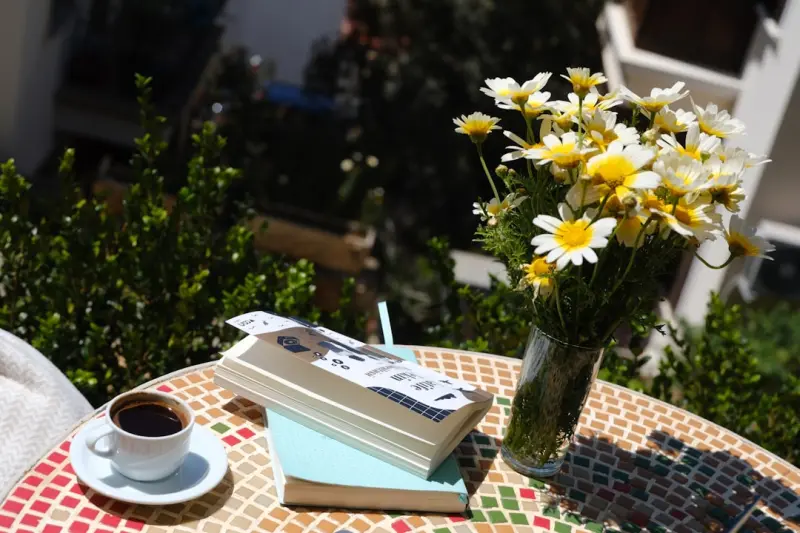
Creating an Outdoor Reading Nook: A Garden Library for the Soul
Discover how to build a garden library that blends comfort, style, and nature, turning any outdoor space into a tranquil reading haven....Read More
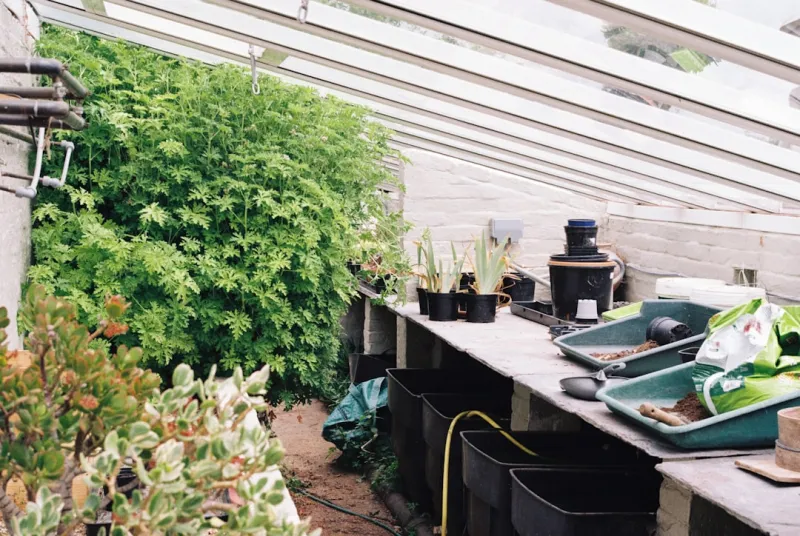
Cultivating Career Growth: How Garden Desks Are Changing Employment
Discover how swapping a traditional office desk for a garden workspace can boost productivity, reduce stress, and give you a strategic edge in today’s evolvin...Read More
0 Comments
Post Comment
You will need to Login or Register to comment on this post!