
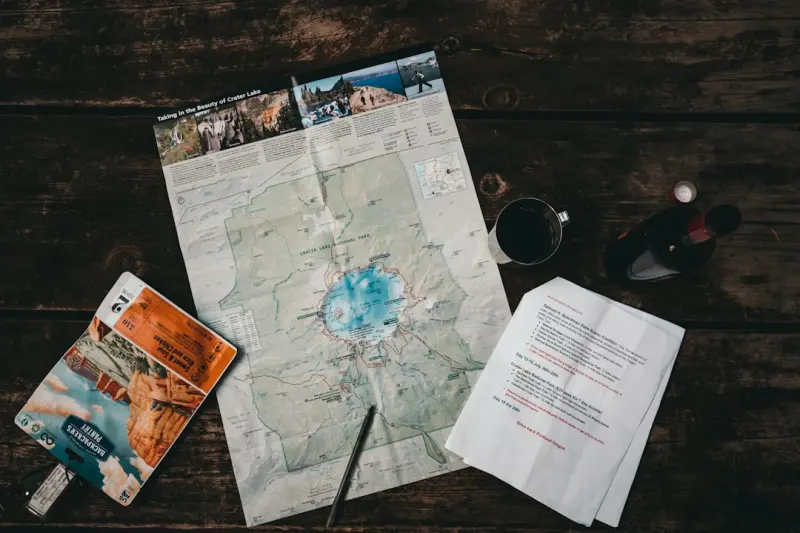
When I first stepped off a crowded train in Osaka with a pocket‑sized AR headset humming against my temple, I didn’t expect my stomach to become my GPS. The city’s neon glow was intoxicating, but it was the scent of grilled yakitori that really pulled my compass needle north. That moment sparked a curiosity that has since turned into an obsession: using augmented reality (AR) to turn every bite into a waypoint on a travel map.
Why Food Deserves Its Own Cartography
Travel writing has long celebrated the “must‑try” dish, the hidden café, the street‑food stall that changes the course of a journey. Yet most guides treat food as a footnote, a what to eat list tacked onto a list of sights. The problem? Flavor is inherently spatial—it’s tied to terroir, to the micro‑climate of a market, to the rhythm of a bustling kitchen. Traditional maps can point you to a museum, but they can’t tell you where the best ramen broth simmers at sunrise.
Enter culinary cartography. By layering taste data, aroma cues, and personal preferences onto an AR map, we can create a living, breathing guide that evolves with every bite. Imagine strolling through a European capital and seeing a translucent overlay that highlights the exact alley where a grandmother‑run bakery serves the city’s most authentic croissant, complete with a short audio snippet of the baker describing the butter’s origin.
Building the Flavor Layer: Data, Sensors, and Intuition
Creating a flavor‑centric AR experience starts with data—lots of it. Restaurants and food stalls increasingly share open APIs that expose menu items, ingredient origins, and even seasonal availability. Community‑driven platforms like generative AI can scrape reviews, rating sentiments, and photo tags to generate a nuanced profile for each dish.
- Ingredient Provenance: Tagging where each component comes from (e.g., “locally sourced sea salt from the cliffs of Brittany”).
- Flavor Intensity Scores: A scale that quantifies spiciness, umami, sweetness, and acidity based on crowd‑sourced palate tests.
- Atmospheric Sensors: Modern smartphones can read ambient temperature, humidity, and even subtle aroma compounds using built‑in microphones and low‑cost chemical sensors.
When these data points converge in an AR overlay, they form a dynamic flavor map that reacts to real‑time conditions. A sudden rainstorm in Bangkok might dim the visual intensity of a street‑food stall but amplify the scent of sizzling lemongrass, prompting the system to recommend a warm, comforting bowl of tom yum.
The Traveler’s Toolkit: From Headsets to Handhelds
While high‑end AR headsets deliver the most immersive experience, they’re not the only path to culinary cartography. My own go‑to setup includes a lightweight smartglass paired with a smartphone that runs a custom “TasteMap” app. The app syncs with my digital detox on the road routine, ensuring I’m not overwhelmed by notifications while still capturing data for future journeys.
Key features of the toolkit:
- Live Flavor Radar: A circular HUD that pulses in sync with your heartbeat, changing color based on the proximity of highly rated dishes.
- Audio Narratives: Short, chef‑recorded stories that play when you point at a venue, adding cultural context without breaking your flow.
- Personalized Filters: Dietary restrictions, spice tolerance, and even mood‑based recommendations (e.g., “comfort food” after a long flight).
Case Study: A Week in Oaxaca Using AR Food Maps
Last spring I spent seven days in Oaxaca, Mexico, armed with my TasteMap app. The city’s culinary scene is a kaleidoscope of mole varieties, each with its own lineage. Traditional guides would list “Mole Negro” as a must‑try, but the AR layer highlighted a tiny, family‑run kitchen tucked behind a turquoise door, where the chef offered a secret recipe passed down through generations.
As I walked down the market, the AR overlay glowed brighter near a stall selling fresh chapulines (grasshoppers). The scent sensor detected a faint smoky aroma, and the app suggested a pairing: a mezcal with a citrus note that would cut through the earthiness of the insects. The result? An unforgettable taste adventure that no conventional travel guide could have predicted.
Beyond flavor, the map also flagged “food sustainability hotspots.” One vendor used surplus produce to create a seasonal soup, reducing waste and earning a green badge. This feature helped me make choices aligned with my values, turning each meal into a conscious travel act.
From Solo Exploration to Collaborative Feasting
Travel isn’t a solitary pursuit, especially in a hyper‑connected world. The AR platform I use allows me to share my taste discoveries with fellow travelers in real time. When I discovered a hidden vegan taco stand in Mexico City, a quick tap broadcasted the location, rating, and a short video to my network. Within minutes, a group of like‑minded nomads converged, turning a simple snack into a spontaneous communal dinner.
This collaborative element echoes the spirit of cross‑cultural hackathons on the road, where ideas are exchanged over coffee and code. In culinary cartography, the “hackathon” becomes a shared tasting session, where diverse palates intersect and inspire new flavor pairings.
Challenges: Data Bias, Privacy, and the Sensory Overload
As with any data‑driven system, culinary cartography faces pitfalls. Restaurant reviews can be skewed by tourists’ expectations, leading to inflated scores for dishes that cater to Western tastes. To combat bias, the platform aggregates local language reviews and employs AI models that weigh native voices more heavily.
Privacy is another concern. The AR app collects location data, sensor readings, and personal taste preferences. Following the principles outlined in The Quiet Sentinel, the system encrypts all user data on-device and offers a “ghost mode” that disables location tracking while still providing offline flavor maps downloaded beforehand.
Lastly, sensory overload can diminish enjoyment. To keep the experience delightful, the UI uses subtle visual cues and respects a user’s attention span, prompting you only when a truly exceptional food experience is within reach.
The Future: Integrating Taste with Travel Logistics
Looking ahead, I see culinary cartography merging with other travel tech. Imagine a flight booking engine that suggests layover cities based on a curated “flavor itinerary,” or a hotel reservation system that syncs with AR maps to guarantee a room with a view of the best sunrise breakfast spot.
Even public transport could become flavor‑aware. A micro‑transit hub could display real‑time AR prompts for nearby food trucks, turning the commute into a gastronomic scavenger hunt. This would be a natural evolution of the concepts explored in the Micro‑Transit Hubs article, but with a palate‑centric twist.
Ultimately, the goal is to make taste an integral part of navigation, not an afterthought. By mapping flavor, we give travelers a richer, more personal way to engage with places, turning every meal into a landmark and every landmark into a story worth sharing.
So, the next time you pack your bags, consider swapping a generic travel guide for an AR taste map. Let your senses lead the way, and you might just discover that the world’s most unforgettable destinations are measured not in miles, but in mouthfuls.

Tyler Johnson is a seasoned freelance writer with a keen eye for detail and a passion for crafting compelling narratives. His years of experience have honed his ability to adapt his style to suit diverse client needs and project requirements.
Related Posts
Travel as a Personal Branding Expedition: Crafting Your Professional Narrative on the Road
A fresh look at travel, this post shows how journeys can be leveraged to shape your personal brand, ... Read More
Beyond Tourism: Crafting Meaningful Journeys Through Community‑Driven Experiences
Explore a fresh travel mindset that prioritizes authentic community immersion, ethical volunteering,... Read More
Chasing the Unscripted: How Unplanned Detours Redefine Modern Travel
Exploring the hidden benefits of spontaneous travel, this article shows how unplanned detours boost ... Read More
Top Posts

Cultivating Calm: How to Design a Home Sanctuary That Nourishes Body and Mind
Learn how to transform everyday spaces into calming sanctuaries with intentional plant choices, tactile textures, soothing scents, and mindful layout, creating ...Read More

AI‑Powered Habit Loops: How Quiet Algorithms Shape Our Daily Choices
Explore how AI quietly redefines habit loops, offering personalized nudges that boost focus, health, and productivity while keeping privacy front‑and‑center...Read More

Cold Exposure: The Under‑Utilized Tool for Resilience and Performance
Cold therapy, when applied correctly, can sharpen mental clarity, strengthen immune response, and increase metabolic rate. This guide offers science‑backed st...Read More

Crafting a Sensory Sanctuary: How Touch, Temperature, and Scent Elevate Personal Care
Learn how to build a daily sensory sanctuary using texture, temperature, and fragrance, turning ordinary personal care moments into powerful rituals for calm, f...Read More
0 Comments
Post Comment
You will need to Login or Register to comment on this post!