
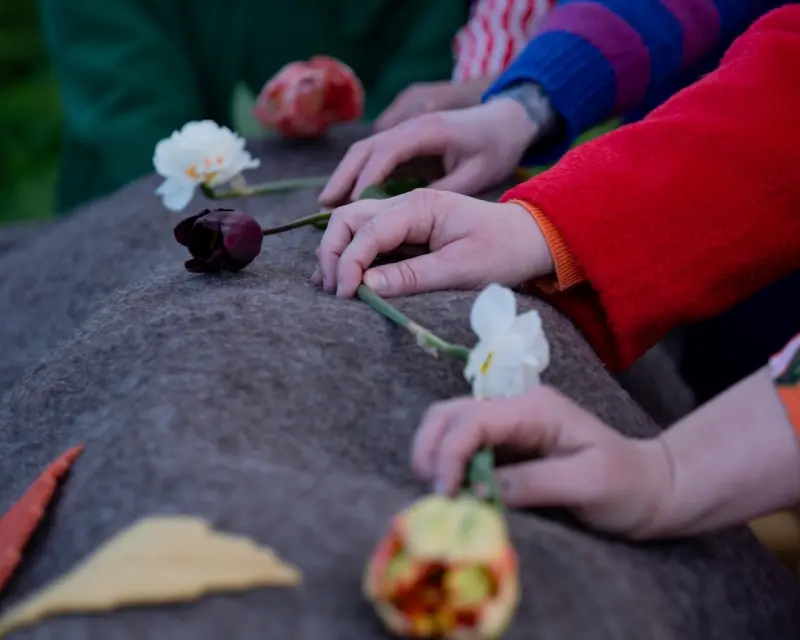
When I first stumbled onto a quiet corner of my neighbor’s backyard, I was struck not by the colors of the flowers but by the gentle hum of bees, the rustle of sage in a breeze, and the subtle perfume of lavender drifting on the air. It was a reminder that a garden can be far more than a visual showcase—it can be a full‑body experience. In this piece, I’ll walk you through how to design a truly sensory garden that engages sight, sound, scent, and touch, turning any outdoor space—big or small—into a sanctuary for the senses.
Why a Sensory Garden?
Most of us think of gardens as places to admire blossoms or harvest vegetables. While those are wonderful outcomes, a sensory garden invites us to feel the environment, listen to its subtle soundtrack, and inhale its aromatic whispers. Research shows that engaging multiple senses can reduce stress, improve mood, and even sharpen cognitive function. In a world where we’re constantly bombarded by screens and notifications, creating a space that gently nudges our nervous system toward calm is a form of self‑care that feels both luxurious and accessible.
Setting the Stage: Assessing Your Space
Before you rush out to buy the most fragrant rosemary or the prettiest ferns, take a moment to evaluate the unique characteristics of your garden:
- Light patterns – Which areas receive full sun, dappled shade, or deep shade? Different sensory plants thrive under different lighting.
- Wind flow – Identify where breezes come from; they’ll carry scents and sound.
- Soil texture – Some tactile plants, like lamb’s ear, prefer well‑draining soil, while others love moisture.
- Acoustic backdrop – Are you near a busy street, a quiet cul‑de‑sac, or a water feature? This will influence how you layer sound elements.
Mapping these variables on a simple sketch will guide you in placing the right sensory elements in the right spots, ensuring each area feels intentional rather than random.
Seeing: Color & Form
Visual interest is the most obvious component, but it’s also the easiest to over‑do. Instead of a monochrome sea of one hue, aim for a palette of contrast that changes with the seasons:
- Spring – Plant early bloomers like crocuses and dwarf iris for a burst of violet and yellow.
- Summer – Add structural foliage such as ornamental grasses and hostas, which provide texture even when flowers fade.
- Fall – Embrace foliage that turns amber, russet, and deep burgundy; think Japanese maple or Heuchera.
- Winter – Evergreen shrubs like dwarf conifers or hardy rosemary keep the garden alive when other plants go dormant.
Mix vertical elements (climbing vines, trellised beans) with low‑ground covers (thyme, creeping sedum) to create layers that draw the eye both up and down, making the garden feel larger than its square footage.
Listening: Natural Soundscapes
Sound is often the most overlooked sense in garden design, yet it holds tremendous therapeutic power. Here are a few ways to weave gentle music into your outdoor space:
- Water features – A small recirculating fountain or a birdbath with a drip edge provides a calming, rhythmic splash.
- Wind‑activated elements – Hang bamboo chimes, wind rods, or even a simple rustling bundle of dried grasses to create a soft, random melody when the breeze passes.
- Wildlife invitations – By planting pollinator‑friendly plantings such as bee balm, coneflower, and native grasses, you’ll attract hummingbirds, sparrows, and insects whose chirps and wings add a lively backdrop.
Remember, the goal isn’t to create a concert hall but to introduce subtle, soothing sounds that mask intrusive urban noise. Position these auditory elements away from the primary seating area so they become a gentle, discoverable layer rather than a dominating presence.
Smelling: Aromatherapy Outdoors
Scent has a direct line to the limbic system, the brain region that controls emotion and memory. Choose a blend of aromatic plants that release fragrance at different times of day:
- Morning – Lavender, rosemary, and mint release their brightest scents in the cooler, early hours.
- Midday – Jasmine, gardenias, and sweet alyssum thrive under full sun, offering sweet, heady notes.
- Evening – Night‑blooming plants like evening primrose or the velvety scent of scented geraniums unfurl as the temperature drops.
To maximize aroma, plant scent‑heavy varieties near pathways and seating zones, and consider using raised beds or pots at waist height for easier maintenance and more immediate access to the fragrance.
Touch: Textural Exploration
While we often think of gardens as “look‑only,” many plants invite tactile interaction. Here are some low‑maintenance, touch‑friendly choices:
- Lamb’s ear (Stachys byzantina) – Its soft, velvety leaves are a delight for children and adults alike.
- Ornamental grasses – Their feathery plumes sway with the wind, encouraging a gentle brush against the hand.
- Succulents and stone‑like foliage – Plants such as agave or aloe provide a cool, firm surface that feels refreshing on a hot day.
- Groundcovers like creeping thyme – When stepped on, they release a faint citrus scent, rewarding the footfall with both scent and texture.
Designate a “touch zone” where these plants are clustered, perhaps beside a low bench or a stepping‑stone path. This encourages mindful exploration without the risk of accidentally trampling more delicate species.
Integrating Technology—Subtly
While the aim is a natural haven, a few discreet tech touches can enhance the sensory experience without breaking immersion. Consider:
- Solar‑powered LED string lights that glow softly after dusk, accentuating foliage silhouettes.
- Hidden Bluetooth speakers programmed with nature sound playlists (rain, forest canopy, distant waves) that activate as you approach the seating area.
- Moisture sensors that alert you via a phone notification when certain plants need watering, ensuring the scent and texture stay at their peak.
These tools should remain unobtrusive—think of them as the silent backstage crew that keeps the show running smoothly.
Seasonal Maintenance: Keeping the Sensory Flow
Maintaining a multi‑sensory garden is a year‑round commitment, but it can be broken down into manageable tasks:
- Spring – Prune dead stems, divide crowded perennials, and mulch to preserve moisture.
- Summer – Deadhead spent blooms to encourage repeat flowering, and water deeply during heatwaves.
- Fall – Collect fallen leaves for compost, and plant autumn‑blooming bulbs like colchicum.
- Winter – Protect tender herbs with burlap or cold frames, and use the quiet months to plan next year’s sensory additions.
By aligning maintenance tasks with the sensory calendar—focusing on scent in spring, sound in summer, visual texture in fall, and tactile warmth in winter—you’ll keep each sense engaged throughout the year.
Bringing It All Together: A Sample Layout
Imagine a modest 12‑by‑12‑foot patio garden. Here’s how the elements could be arranged:
- Entrance Path – Lined with low‑growing creeping thyme that releases aroma underfoot.
- Seating Nook – A reclaimed wooden bench surrounded by lavender, rosemary, and a small solar fountain for gentle water sounds.
- Touch Corner – A raised stone bed featuring lamb’s ear, ornamental grasses, and a few potted succulents.
- Sound Zone – A wind chime hung from a pergola, with nearby pollinator‑friendly plants attracting birds and insects.
- Evening Glow – Discreet LED lights woven through the pergola, casting a warm amber hue as dusk settles.
This layout demonstrates how each sense can have its own dedicated micro‑space while still feeling cohesive as a whole. The design encourages movement, inviting you to pause, listen, inhale, and touch as you wander from one sensory pocket to the next.
Final Thoughts: Your Garden as a Personal Sanctuary
Creating a sensory garden isn’t about achieving perfection; it’s about curating an environment that speaks to your body and mind in subtle, restorative ways. As you experiment with colors, textures, scents, and sounds, you’ll discover which combinations resonate most deeply with you. Over time, your garden will evolve, reflecting both the changing seasons and your own personal growth.
If you’re looking for inspiration on how indoor spaces can complement your outdoor sanctuary, take a look at this insightful piece on indoor garden sanctuaries. The principles of calm and sensory engagement translate beautifully from inside to out, creating a seamless flow of well‑being throughout your home.
So roll up your sleeves, dig into the soil, and let your garden become a living orchestra of sight, sound, smell, and touch. The world is waiting, and your senses are ready to be delighted.

Margaret Thomson is a seasoned freelance writer specializing in the dynamic worlds of marketing and advertising. With a career deeply rooted in the marketing field, Margaret brings a wealth of practical experience and insightful knowledge to her writing.
Related Posts

Cultivating a Year‑Round Food Forest on Your Urban Balcony
Learn to transform a cramped balcony into a thriving food forest, using vertical gardens, smart soil... Read More
Seasonal Doorway Transformations: Turning Entryways into Living Welcomes
A step‑by‑step guide to turning any doorway into a seasonal showcase, using resilient plants, su... Read More

Vertical Gardens for City Living: A Fresh Take on Green Spaces
Discover a step‑by‑step guide to creating a vertical garden using reclaimed pallets, ladders, an... Read More
Top Posts

Micro‑Moments: Reimagining Personal Care in a Hyper‑Connected World
Learn how to turn brief, frequent micro‑moments—like a lighting cue or a 30‑second breath—into powerful personal‑care practices that boost energy, foc...Read More

Microadventures: How Tiny Escapes Transform Everyday Life
Explore the power of microadventures: short, intentional outings that refresh your mind, connect you with locals, and leave a light environmental footprint....Read More

Why Laughter Is the Unexpected Prescription for Modern Stress
Laughter isn’t just a mood booster; it’s a powerful health tool. This article dives into the neuroscience, physical benefits, and practical ways to incorpor...Read More

Why My Garden Desk Is the Secret to Career Resilience
A garden desk isn’t just a trend; it’s a career catalyst. Learn how outdoor workspaces can boost focus, creativity, and professional advancement....Read More
0 Comments
Post Comment
You will need to Login or Register to comment on this post!