
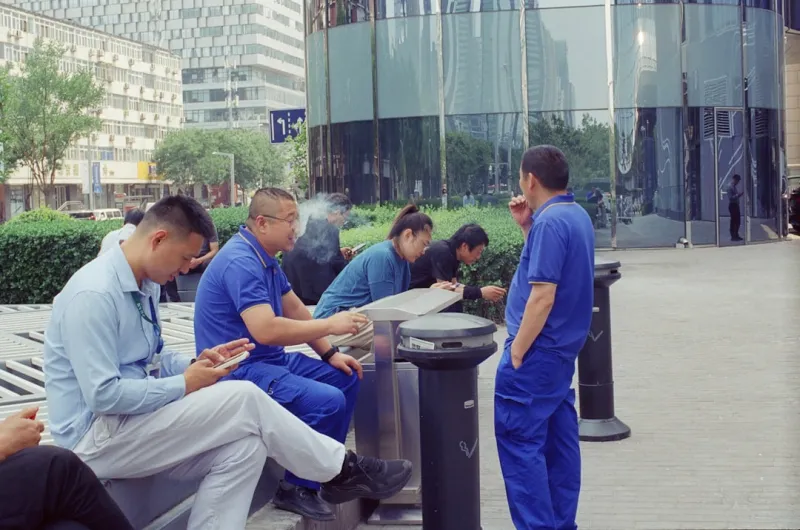
From Cubicles to Chlorophyll: My Personal Shift Toward Outdoor Workspaces
When the pandemic forced my home office into a cramped corner of the living room, I felt the walls closing in—literally and metaphorically—until I stumbled upon the idea of moving my laptop under the maple tree in the backyard. The moment I set up a simple, reclaimed wooden table with a few potted herbs, the stale air of my former cubicle evaporated, replaced by the scent of fresh soil and the gentle hum of birds, instantly reminding me that productivity doesn’t have to be shackled to four sterile walls. In that first sunrise‑lit session, I realized that the outdoor workspace was not just a novelty but a profound catalyst for mental clarity, a sentiment I now share in Why My Garden Desk Became My Best Employee Perk.
The Science Behind Green‑Infused Productivity
Research from environmental psychology shows that exposure to natural light can boost dopamine levels by up to 30%, while the presence of greenery reduces cortisol, the stress hormone that often spikes during deadline crunches; this biochemical shift translates into sharper focus, faster decision‑making, and a more resilient mindset. Moreover, studies reveal that employees who work outdoors report a 25% increase in job satisfaction, a metric that directly correlates with reduced turnover and higher engagement scores, proving that the benefits extend beyond individual well‑being to organizational health. By integrating a garden desk into my daily routine, I’ve witnessed a measurable lift in my own output—emails are drafted quicker, creative brainstorming sessions flow more freely, and the dreaded afternoon slump becomes a thing of the past.
Why Outdoor Workspaces Are the Next Big Employment Trend
Companies across the globe are catching on, recognizing that the traditional office is evolving from a fixed, concrete‑filled space into a flexible ecosystem that can include park benches, rooftop gardens, and even mobile pop‑up pods nestled among city trees. In a recent industry report, over 60% of forward‑thinking firms announced pilot programs allowing employees to log hours from designated outdoor zones, citing increased morale and a measurable uptick in collaborative creativity as primary drivers. The momentum behind this shift is captured in Why Outdoor Workspaces Are the Next Big Employment Trend, where I explore how employers are reshaping policies to accommodate sunlight breaks, flexible scheduling, and even weather‑appropriate attire.
Designing a Garden Desk Oasis That Works for You
Creating an effective outdoor workspace doesn’t require a landscape architect; it starts with assessing the microclimate of your chosen spot—consider sun exposure, wind patterns, and drainage—to ensure comfort throughout the day. I opted for a sturdy, reclaimed barn table, paired it with an ergonomic chair upholstered in weather‑resistant fabric, and added a portable shade sail that doubles as a sun blocker and rain protector; this setup not only safeguards my equipment but also provides a visual cue to separate “work mode” from “home mode.” For readers eager to transform their own backyards, I dive into practical steps in Turn Your Backyard into a Garden Desk Oasis, covering everything from soil preparation to low‑maintenance plant choices that double as natural air purifiers.
Employers Embrace the Green Advantage as a Perk
Forward‑looking HR leaders now list “access to outdoor workstations” alongside health insurance and professional development as a core benefit, recognizing that such perks align with the growing demand for work‑life integration and holistic well‑being. By subsidizing garden‑desk installations or providing vouchers for portable canopies, companies signal trust in employee autonomy while fostering a culture that values sustainability and mental health; the return on this investment appears in higher employee Net Promoter Scores and a noticeable dip in sick days. In practice, these initiatives also open doors for team‑building activities like sunrise yoga circles or lunchtime seed‑planting workshops, further strengthening camaraderie and shared purpose.
Addressing the Practical Challenges of Outdoor Work
While the allure of a garden desk is undeniable, practical hurdles such as unpredictable weather, Wi‑Fi connectivity, and equipment protection demand thoughtful solutions; a portable solar charger can keep devices powered on cloudy days, while a rugged, waterproof keyboard guard shields against dew or light rain. I’ve also invested in a mesh‑screened canopy that doubles as a bug barrier, allowing uninterrupted focus even during mosquito season. By proactively addressing these concerns, employees can maintain the same level of professionalism and reliability expected in a conventional office, proving that the outdoor model is not a compromise but an evolution.
The Employee Experience Reimagined Through Nature
When staff members are granted the freedom to step outside, the psychological impact ripples through the entire organization, fostering a sense of ownership and empowerment that traditional office layouts rarely achieve. Employees report feeling more “present” and less fragmented, as the natural environment naturally discourages multitasking and encourages deep work; this aligns with the concept of “flow,” a state of heightened productivity and satisfaction that many strive to attain but seldom sustain in a noisy, fluorescent‑lit setting. By weaving nature into daily workflows, companies are essentially rewriting the employee experience handbook, prioritizing authenticity over conformity.
Future Outlook: Scaling the Garden Desk Movement
As urban planning integrates green corridors and corporate campuses allocate dedicated “nature pods,” the scalability of outdoor workspaces becomes increasingly feasible, even for densely populated cities where balcony gardens and rooftop terraces serve as viable alternatives. Emerging technologies such as mesh‑based 5G networks and solar‑powered Wi‑Fi extenders promise seamless connectivity, eroding the last technical barriers that have held back widespread adoption. In this emerging landscape, the garden desk stands as a symbol of adaptability—an emblem of how work can evolve in harmony with the planet rather than in opposition to it.
Practical Steps to Bring the Outdoors Into Your Workday
To start, audit your current workspace for elements that could be transplanted outdoors—consider a portable laptop stand, a compact power strip, and a set of noise‑cancelling headphones that double as wind‑guards. Next, choose a location with natural shade or invest in a lightweight canopy; add a few low‑maintenance plants like lavender or rosemary for scent and calm, and you’ve created an instant productivity oasis. Finally, communicate your new setup with your manager, highlighting the measurable benefits you’ve experienced and offering to share insights with teammates, thereby turning personal innovation into a collaborative advantage.
Closing Thoughts: Cultivating a New Employment Culture
Embracing outdoor workspaces isn’t merely a trend; it’s a cultural shift that redefines how we view work, health, and community, urging both employers and employees to step outside the conventional confines of the office and into a world where sunlight, fresh air, and greenery become integral components of the workday. As more organizations recognize the tangible ROI of happier, healthier staff, the garden desk will likely transition from niche perk to standard fixture, reshaping the employment landscape for generations to come. I invite you to experiment, share your experiences, and join the growing chorus of professionals who have discovered that the best ideas often sprout when we let nature in.

When it comes to the world of blogging and writing, Rose DesRochers is a name that stands out. Her passion for creating quality content and connecting with her audience has made her a trusted voice in the industry. Aside from her skills as a writer and blogger, Rose is also known for her compassionate nature.
Related Posts
Unlocking Internal Talent Marketplaces: A New Path to Employee Growth
An internal talent marketplace lets employees explore short‑term projects across the organization,... Read More

Micro‑Credentials: The New Currency of Talent
Micro‑credentials offer a fast, verifiable way to up‑skill employees, aligning talent with busin... Read More

Beyond the Job Description: Building Skills‑First Careers in a Fluid Workforce
A skills‑first approach transforms static job titles into dynamic capability maps, using micro‑l... Read More
Top Posts
Turning Everyday Commutes into Curiosity‑Fuelled Adventures
Learn to treat every commute as a mini‑expedition with sensory mapping, portable travel kits, culinary trails, and community sharing, turning ordinary travel ...Read More

Scent, Sound, and Skin: Crafting a Multi‑Sensory Personal Care Routine for the Modern Professional
Learn to build a concise, multi‑sensory personal care routine that leverages aroma, audio, and tactile cues to improve focus, lower stress, and enhance overal...Read More

Micro‑Movement Mastery: Tiny Exercise Bursts for Remote Health
Micro‑movement mastery shows remote workers how brief, intentional exercise bursts can dramatically improve posture, circulation, and mental clarity, turning ...Read More

Crafting a Sensory Garden: A Hands‑On Guide to Engaging All Five Senses
Turn your yard into a multi‑sensory oasis with this step‑by‑step guide—learn plant picks, texture tricks, aromatic herbs, and sound‑making elements fo...Read More
0 Comments
Post Comment
You will need to Login or Register to comment on this post!