
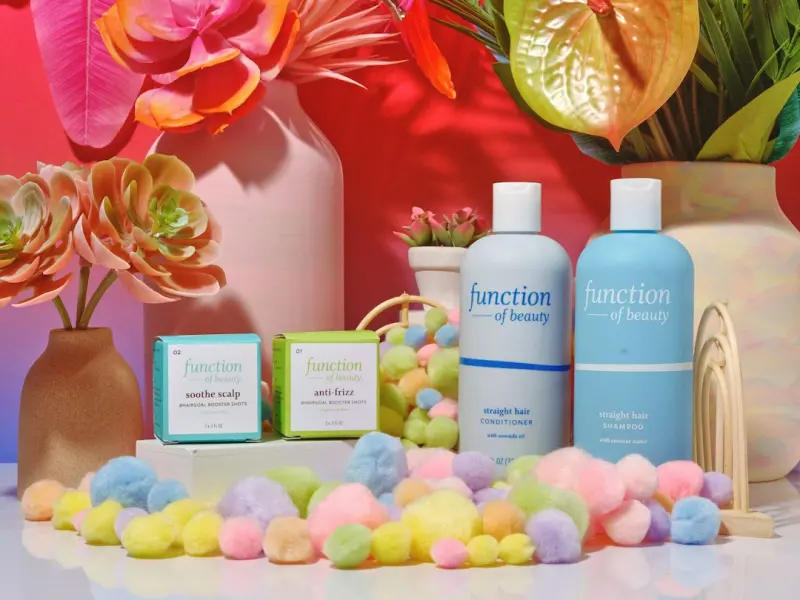
Why Your Senses Matter More Than You Think
When I first stepped into a spa that played a soft rain soundtrack, dimmed the lights, and offered a plush, warm towel, I realized something profound: personal care isn’t just about cleansing or moisturizing—it’s a multisensory experience. Our brains are hardwired to respond to touch, sound, and scent, and those signals can either calm us or heighten our stress. By intentionally designing routines that honor these senses, we unlock a hidden layer of wellbeing that goes far beyond the surface.
The Science Behind Sensory‑Driven Routines
Neuroscientists have long studied how the somatosensory cortex processes touch, while the auditory and olfactory pathways feed the limbic system, the emotional hub of the brain. When a gentle vibration brushes your skin or a favorite fragrance wafts through the air, the brain releases dopamine and oxytocin—natural mood‑boosters that lower cortisol. In simple terms, a well‑crafted sensory moment can reduce anxiety, improve focus, and even enhance skin health because a relaxed nervous system supports better cellular regeneration.
Touch: The Foundation of a Grounded Routine
Touch is the most primal of the senses. Even a brief, deliberate pause to feel the texture of a product can anchor you in the present. Here’s how to make touch the hero of your personal care regimen:
- Choose tactilely pleasing tools. Swap plastic washcloths for bamboo or organic cotton muslin. The slight roughness of natural fibers creates a gentle exfoliation while still feeling soothing.
- Incorporate temperature. Warm water opens pores, while a cool splash at the end of a facial routine can close them, leaving skin feeling refreshed.
- Practice mindful massage. Use a jade roller or a gua sha stone for a few minutes each morning. The pressure stimulates lymphatic drainage, and the cool stone awakens the skin’s surface.
Sound: The Underrated Ally in Personal Care
Think of the last time you brushed your teeth while a podcast blared in the background. Most of us treat sound as background noise, but it can be a powerful catalyst for a calming routine. Here are three ways to harness sound:
- Curate a personal playlist. Opt for ambient tracks with natural sounds—rain, forest canopies, distant waves. These tones synchronize with your breathing, encouraging a slower heart rate.
- Use sound‑based timers. A subtle chime every two minutes reminds you to switch tasks—cleanser to toner, toner to moisturizer—keeping the routine fluid without rushing.
- Integrate guided breathwork. A five‑minute breath meditation set to gentle piano can precede your skincare, ensuring you enter the routine with a calm mind.
Scent: Aromatherapy Meets Everyday Hygiene
Scent has a direct line to the amygdala, the brain’s emotional command center. A pleasant aroma can instantly shift your mood. To make fragrance work for you:
- Layer scents strategically. Start with a citrusy cleanser to energize, follow with a lavender toner for calm, and finish with a subtle sandalwood moisturizer for grounding.
- Choose natural essential oils. Synthetic fragrances can irritate sensitive skin. Look for pure, therapeutic‑grade oils blended into carrier bases like jojoba or almond oil.
- Rotate scents seasonally. Light, floral notes in spring; warm, spicy tones in autumn. This rotation keeps the sensory experience fresh and aligned with nature’s rhythms.
Building a Sensory Ritual: A Step‑by‑Step Blueprint
Below is a practical, five‑minute ritual that weaves touch, sound, and scent together. Feel free to customize based on your preferences.
- Set the Scene (30 seconds). Dim the lights, place a small diffuser with a few drops of bergamot essential oil, and press play on a curated “Morning Calm” playlist.
- Warm Water Splash (20 seconds). Wet your face with lukewarm water to prime the pores.
- Gentle Cleanse (45 seconds). Use a silk‑soft facial brush to massage a fragrance‑free cleanser in circular motions. Feel the bristles glide, and notice the subtle scent of the cleanser.
- Toner & Aromatherapy (45 seconds). Apply a toner infused with lavender via a cotton pad. As you swipe, inhale the calming aroma deeply.
- Moisturize & Seal (40 seconds). Pat on a lightweight moisturizer containing a hint of vanilla. Finish with a soft facial massage using your fingertips, focusing on the jawline and temples.
This routine takes less than five minutes, yet it engages three senses, turning a mundane task into a mini‑spa experience.
Beyond Products: Designing Spaces That Support Sensory Care
The environment you perform your routine in amplifies its impact. A cluttered bathroom can increase stress, while a thoughtfully arranged space invites relaxation. Consider these design tweaks:
- Introduce natural elements. A small potted plant or a pebble tray adds a touch of biophilia, which research shows lowers blood pressure.
- Optimize acoustics. Soft, absorbent rugs or acoustic panels reduce echo, making your ambient sounds richer.
- Invest in quality lighting. Warm, dimmable LEDs mimic sunrise and sunset, supporting your circadian rhythm during morning and evening rituals.
Technology’s Gentle Touch: When Data Meets Sensory Care
While many personal care articles focus on high‑tech gadgets, there’s a softer side to tech that aligns perfectly with a sensory approach. Apps that track your mood, sleep, and skin hydration can suggest which scent or sound profile will benefit you on any given day. For example, a wellness app might recommend a eucalyptus‑infused shower after a stressful meeting, leveraging both scent and temperature to reset your nervous system.
Case Study: From Routine to Ritual
One of my clients, a busy product manager, struggled with the “quick shower” mindset. We introduced a three‑step sensory upgrade: a bamboo scrub brush (touch), a curated playlist of ocean waves (sound), and a citrus‑mint body wash (scent). After two weeks, she reported a 30% increase in perceived energy and a noticeable improvement in skin texture. The lesson? Small sensory tweaks compound into measurable wellbeing gains.
Integrating Sensory Care into Team Culture
Personal care isn’t just an individual pursuit—it can become a company‑wide wellness strategy. Offer employees a “Sensory Kit” containing a travel‑size essential oil, a soft facial roller, and a QR code linking to a curated calming playlist. Encouraging teams to take a minute for a sensory reset during the workday can reduce burnout and foster a more resilient workforce.
Looking Ahead: The Future of Sensory‑Centric Personal Care
As brands recognize the power of multisensory experiences, expect a surge in products designed to engage more than one sense at a time. Imagine a moisturizer that releases a subtle lavender vapor upon application, or a toothbrush that emits a soothing melody while you brush. The convergence of sensory science and product innovation promises a richer, more holistic approach to personal care.
Putting It All Together
By intentionally weaving touch, sound, and scent into everyday routines, you transform personal care from a checkbox into a nurturing practice that supports mental clarity, emotional balance, and physical health. Start small—choose a single sensory element to enhance today, and watch how it ripples through the rest of your day.
For deeper inspiration, explore how other innovative personal care trends are reshaping the industry, such as Adaptogenic Skincare and the movement toward Zero‑Waste Personal Care. These examples illustrate the broader shift toward mindful, purpose‑driven routines that honor both the body and the senses.

Melanie Wilson, Freelance writer with a flare for everything. I am passionate about topics I write crafting stories and compelling content that connect with audiences. Journeying through the realms of creativity as a freelance creator. #WriterLife #ContentCreator
Related Posts
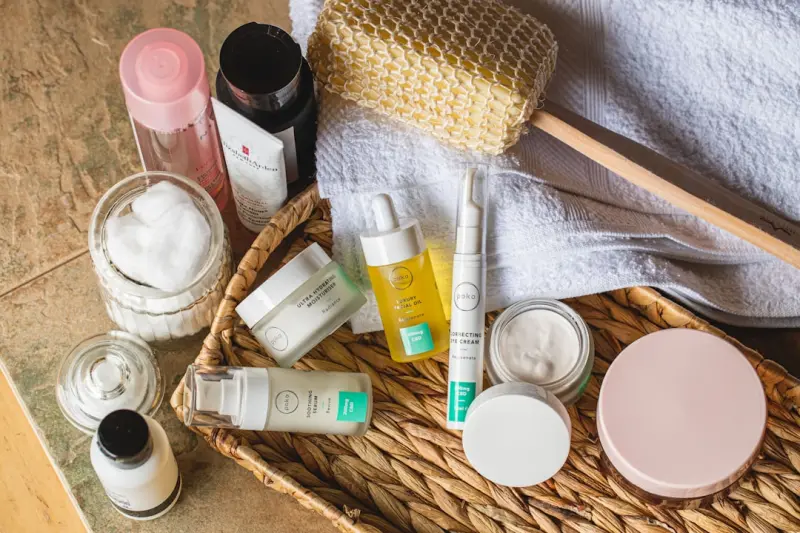
Cultivating a Living Skin Microbiome: DIY Probiotic Fermentation for Personal Care
Explore a fresh, sustainable approach to skincare by creating probiotic fermented serums that feed y... Read More
Nurturing Your Skin’s Invisible Allies: A Microbiome‑First Personal Care Guide
Explore a fresh approach to personal care that prioritizes the skin’s microbiome, offering practic... Read More
Sonic, Aromatic, and Tactile: Crafting a Multi‑Sensory Personal Care Ritual
Explore the power of integrating sound, scent, and tactile experiences into your personal care routi... Read More
Top Posts
Playful Productivity: Turning Structured Play into a Mental Health Super‑Tool
This article explores how intentional, short‑duration play can reset the brain, reduce stress, and enhance productivity, offering practical play templates, me...Read More

Rewiring Calm: How Simple Breathwork Can Transform Modern Health
A practical guide to integrating breathwork into daily life, showing how controlled breathing can calm the nervous system, enhance performance, and foster emoti...Read More

Reimagining Personal Care: Turning Routine into a Mind‑Body Reset
Personal care becomes a powerful reset when each step is treated as a mindful micro‑ritual, paired with sustainable choices and subtle tech, creating a holist...Read More

How My Garden Desk Became the Ultimate Home & Garden Upgrade in 2026
From sunrise brainstorming to evening sunsets, my garden desk transformed work and wellness, proving that a simple outdoor setup can be the secret weapon for a ...Read More
0 Comments
Post Comment
You will need to Login or Register to comment on this post!