
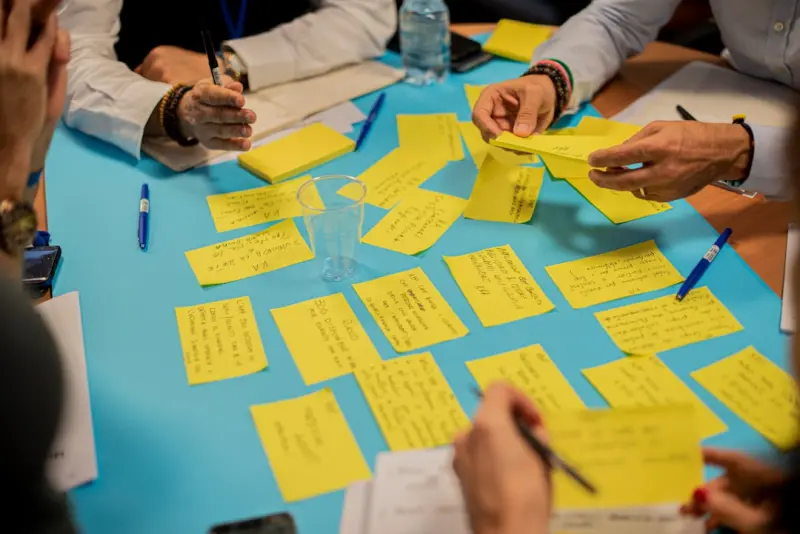
In the relentless tempo of the SaaS world, my mind often feels like a high‑frequency trading floor—flashing alerts, sprint reviews, product launches, and endless feedback loops. I’ve spent years watching bright talent burn out, not because they lacked ambition, but because the very tools that empower us also erode our mental bandwidth. This piece is my attempt to map a sustainable path through that chaos, blending personal experiments with research‑backed practices that any product leader, engineer, or designer can adopt.
Why Constant Connectivity Is a Silent Stressor
When I first joined a fast‑growing startup, I was thrilled by the 24/7 chat channels, real‑time dashboards, and instant customer‑feedback loops. They promised agility, but they also introduced a hidden pressure: the expectation to be "always on." Over weeks, my sleep quality slipped, my focus fragmented, and the excitement turned into anxiety. The paradox is that the very mechanisms designed to streamline collaboration can become chronic stressors if left unchecked.
Research shows that continuous digital interruptions raise cortisol levels and impair the prefrontal cortex, the brain region responsible for decision‑making and emotional regulation. In a SaaS environment where product iterations happen daily, this physiological toll can translate into slower feature cycles, poorer code quality, and higher turnover.
Redefining Boundaries Without Missing a Beat
One of the first changes I made was to set explicit “mental bandwidth windows.” Instead of checking Slack every five minutes, I designated two 30‑minute blocks each day to process inbound messages. Outside those windows, notifications were muted, and I communicated my schedule to the team. The result? A 25% reduction in perceived workload and a noticeable lift in creative problem‑solving.
Key tactics include:
- Channel hygiene: Consolidate discussions into purpose‑driven channels and archive idle ones.
- Response latency norms: Agree on acceptable reply times (e.g., 24‑hour turnaround for non‑urgent queries).
- Digital sunset: Implement a hard stop on work‑related apps at least one hour before bedtime.
These practices respect the need for rapid iteration while protecting cognitive space.
Embedding Psychological Safety into the Product Culture
Psychological safety is often discussed in the context of team meetings, but it’s equally vital for individual mental health. I introduced a simple ritual: at the end of each sprint, teams spend five minutes sharing “mental health wins” alongside velocity metrics. Wins can be as small as taking a walk or as significant as successfully setting a boundary with a client.
This habit does two things. First, it normalizes conversations about mental well‑being, removing stigma. Second, it provides data points for leadership to recognize patterns and intervene before burnout spirals. Over three months, our sprint retrospectives reflected a 40% increase in self‑reported stress awareness, and team members began proactively offering support to peers.
Leveraging Data‑Driven Self‑Care
Just as we use analytics to track product performance, we can apply similar lenses to personal mental health. I started logging three simple metrics each day: energy level (1‑10), focus duration (minutes), and stress triggers (brief description). Over a month, patterns emerged—high stress spikes aligned with back‑to‑back demo days, while energy dipped after late‑night code merges.
Armed with this data, I could experiment with interventions: swapping a late‑night merge for a morning stand‑up, or inserting a 10‑minute mindfulness pause before client demos. The feedback loop was immediate: energy scores rose, and stress triggers flattened. If you’re skeptical, consider reading about AI‑Powered Empathy ROI—the article illustrates how analytics can surface hidden emotional trends across teams.
Micro‑Breaks: The Unsung Heroes of Resilience
While “playful pauses” have been championed elsewhere, I’ve discovered a slightly different flavor of micro‑breaks that align better with deep‑focus work. Instead of a generic stretch, I schedule a “cognitive reset” every 90 minutes: a 2‑minute glance at a non‑work visual (a nature photo, a quick doodle) followed by a slow, three‑breath exhale. This tiny ritual interrupts the brain’s default mode network, refreshing attention without pulling you away from flow.
For those curious about the science, the mental health micro‑breaks article offers a deeper dive into why short, intentional interruptions can improve mood and productivity.
Strategic Sabbaticals: Turning Time Off Into Growth
Traditional vacation policies often feel like a Band‑Aid for deeper fatigue. I advocated for a structured sabbatical program where employees can take an extended, purpose‑driven break after a major product launch. The goal isn’t just rest—it’s intentional renewal: learning a new skill, volunteering, or simply unplugging.
Our pilot program allowed four engineers to take a six‑week sabbatical. Upon return, each reported higher engagement scores, and two introduced innovative features inspired by experiences outside tech. The business case aligns with the insights from the strategic sabbatical model, showing measurable ROI in creativity and retention.
A Practical Toolkit for Immediate Implementation
To help you start right now, here’s a concise checklist you can copy into your team wiki:
- Define “core hours” and “focus windows” for each role.
- Introduce a weekly “mental health pulse” during retrospectives.
- Implement a three‑metric personal dashboard (energy, focus, stress).
- Schedule cognitive resets every 90 minutes using a timer app.
- Pilot a quarterly “deep‑work day” with all notifications silenced.
- Explore a sabbatical framework tailored to your product cycles.
These steps are low‑cost, high‑impact, and can be scaled as your organization grows. Remember, the goal isn’t to eliminate all pressure—pressure fuels innovation—but to shape it into a sustainable force.
Closing Thoughts: From Survival to Thriving
Our industry glorifies hustle, yet the most groundbreaking products often emerge from moments of calm reflection. By consciously redesigning how we interact with digital tools, by embedding psychological safety, and by treating mental health data as a strategic asset, we can shift from a culture of survival to one of thriving. I invite you to experiment with one of the practices above this week. Share your results, iterate, and watch both your well‑being and your product’s impact ascend together.

Lauren Miller is a true outdoors enthusiast who has found her passion in the trades. When she's not working hard on the job, you can find her writing, camping, fishing, and exploring all that nature has to offer. A dedicated partner to her wife Beth, Lauren loves nothing more than spending quality time together and experiencing the great outdoors side by side.
Related Posts
Designing a Hybrid‑Work Mental‑Health Blueprint
A step‑by‑step guide to building micro‑rituals, smart‑lighting, and digital boundaries that ... Read More
Seeing, Hearing, and Pausing: A Triple‑Threat Strategy for Everyday Mental Wellness
Learn how to turn your workspace into a sensory ecosystem using calming colors, soothing soundscapes... Read More

When Play Becomes Therapy: Reclaiming Childhood Joy for Adult Mental Wellness
This article explores how integrating playful activities into daily routines can enhance mental heal... Read More
Top Posts

Beyond Soap: How Smart Personal Care is Redefining Daily Rituals
Explore the emerging world of smart personal care, where wearable skin sensors and AI-driven insights combine with simple breathwork to create a data‑backed, ...Read More
When AI Becomes Your Quiet Partner in Work and Life
Explore a fresh perspective on AI as a quiet collaborator that personalizes knowledge, enhances creative flow, and transforms your workspace into a productivity...Read More

How AI Is Redefining Corporate Culture from the Inside Out
AI is moving beyond data crunching to become a subtle cultural architect, influencing behavior, embedding ethics, and unifying narratives across organizations. ...Read More
Beyond Sight: Harnessing Sound, Taste, and Rhythm for Deeper Travel
Explore a fresh travel approach that prioritizes sound, flavor, and rhythm, turning every journey into a lasting sensory adventure....Read More
0 Comments
Post Comment
You will need to Login or Register to comment on this post!