
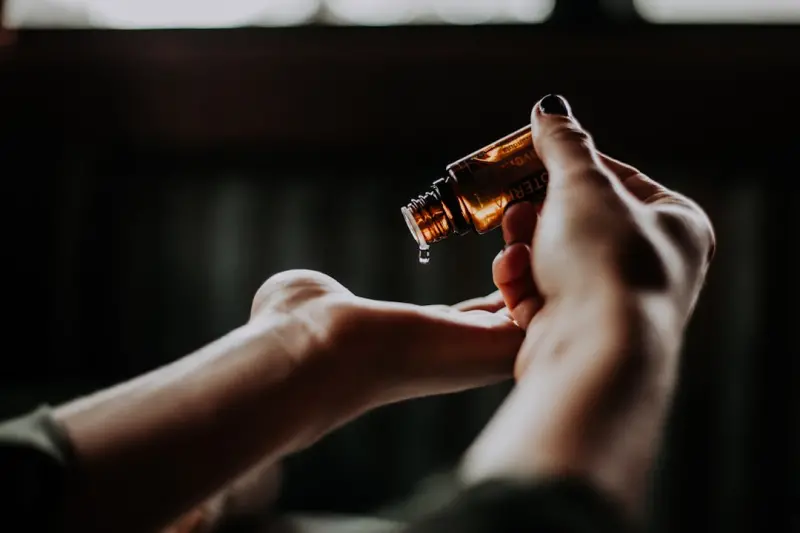
Reimagining Personal Care: The Rise of Smart, Data‑Driven Rituals
When I first swapped my generic shower gel for a high‑tech skin‑monitoring device, I thought I was being a bit gimmicky. Yet the moment the little sensor lit up, showing my skin’s hydration level in real‑time, I realized I’d stumbled onto a new frontier in personal care—one that blends the tactile pleasure of routine with the precision of data science. This isn’t about turning your bathroom into a lab; it’s about empowering everyday moments with actionable insights that make you feel better, look sharper, and ultimately perform at your best.
Why “Smart” Belongs in the Bathroom
For years, personal care has been driven by scent, texture, and brand storytelling. We’ve all seen ads that promise “radiant skin” or “long‑lasting freshness,” but those promises often feel vague. The Sensory Upgrade movement showed us how to amplify the experience with scent and sound, but the next logical step is to give that experience a measurable backbone.
Data‑enabled care transforms a habit into a feedback loop:
- Awareness: A sensor tells you your skin’s pH is off‑balance after a long flight.
- Action: You reach for a targeted serum rather than your default moisturizer.
- Reflection: The next morning, the device confirms a healthier baseline.
This loop not only boosts efficacy but also cultivates a sense of agency. You stop guessing and start knowing, and that knowledge makes even the most mundane ritual feel purposeful.
The Core Technologies Shaping the Future
Three tech pillars are converging to make smart personal care possible:
- Wearable Skin Sensors: Flexible patches that adhere to your wrist, forehead, or even the back of your hand. They track moisture, oil levels, UV exposure, and even micro‑inflammation.
- AI‑Powered Analytics: Algorithms that aggregate daily readings, cross‑reference them with environmental data (humidity, temperature, pollution), and suggest personalized product adjustments.
- Connected Dispensers: Smart bottles that release the exact dosage of a product based on the sensor’s feedback, preventing waste and ensuring optimal application.
When these components sync, you get a seamless ecosystem that feels less like a gadget and more like an invisible assistant.
Building a Personal Care Stack Without Overcomplicating
Adopting technology doesn’t mean you need a wall of devices. Here’s a minimalist stack that fits into a typical bathroom:
- Step 1: Skin Sensor Patch – Stick a thin, hypoallergenic patch to the inside of your wrist before bed. It quietly gathers data overnight.
- Step 2: Mobile Hub App – Your smartphone receives the data, visualizes trends, and offers micro‑recommendations (e.g., “Add a hyaluronic acid booster tonight”).
- Step 3: Smart Dispenser – A sleek bottle with a motorized pump that dispenses the exact milliliter count your app suggests.
Most users find that after a week of consistent use, the app’s insights become second nature. The habit loop is reinforced, and you start noticing subtle improvements—less redness after coffee, smoother texture after a long day of screen time.
Integrating Breathwork for a Holistic Boost
While the hardware does the heavy lifting, the mind‑body connection remains critical. I’ve been experimenting with a simple breathwork routine before my morning shower, inspired by the principles in Breathing Back Balance. A quick 4‑7‑8 pattern (inhale for 4 seconds, hold for 7, exhale for 8) calms the nervous system, reduces cortisol, and preps the skin for better absorption of products.
Combining this with sensor data creates a feedback loop that’s both physiological and psychological: the breathwork lowers stress‑induced skin inflammation, and the sensor confirms the improvement, reinforcing the habit.
Personalizing Product Choices: From One‑Size‑Fits‑All to Tailored Formulas
Traditional shelves are crowded with “universal” solutions—think “all‑day moisturizer” or “overnight repair cream.” With smart data, you can move toward dynamic formulation. Brands are already offering modular kits: base creams, add‑on boosters, and scent cartridges that you mix on demand.
Imagine a scenario where your sensor detects a dip in hydration after a weekend hiking trip. Your app prompts you: “Add 2 drops of the Hydration Booster to tonight’s night cream.” The next morning, your skin reads a 12% increase in moisture. That immediate cause‑and‑effect relationship builds trust and drives long‑term loyalty.
Addressing Common Concerns
Privacy: All data is stored locally on the device and encrypted before syncing with your phone. Companies that prioritize privacy let you export or delete data at any time.
Cost: While the initial hardware may seem pricey, consider the long‑term savings from avoiding ineffective products. A smart dispenser can reduce product waste by up to 30%.
Complexity: The best solutions are “set‑and‑forget.” After the first week of calibration, the system automates most recommendations, leaving you free to focus on the experience, not the tech.
Future Glimpses: Where Smart Personal Care Is Heading
Looking ahead, I see three exciting developments:
- Integrative Health Platforms: Combining skin data with sleep trackers, nutrition logs, and stress monitors for a 360° wellness view.
- Biodegradable Sensors: Eco‑friendly patches that dissolve after a week of use, reducing electronic waste.
- Community‑Driven Insights: Anonymized data pools that reveal macro trends (e.g., “People in coastal cities experience higher oil levels in summer”), helping manufacturers innovate responsibly.
When these trends converge, personal care will become less about brand loyalty and more about personal optimization. The rituals we cherish will evolve, but the underlying desire—to feel confident, comfortable, and in control—will remain unchanged.
Getting Started: A 7‑Day Challenge
If you’re curious but hesitant, try this low‑commitment challenge:
- Day 1‑2: Attach the skin sensor patch before bedtime. No changes to your routine yet; just observe the baseline readings.
- Day 3‑4: Pair the patch with the mobile app. Review the data and note any spikes after coffee, screen time, or exercise.
- Day 5‑6: Incorporate the breathwork routine (4‑7‑8) before showering. Log any immediate sensations—tightness, calm, or a “fresh” feeling.
- Day 7: Follow the app’s first recommendation (e.g., add a booster). Compare the before/after sensor readings and reflect on how your skin feels.
At the end of the week, you’ll have a tangible sense of how data‑driven care can enhance—not replace—the simple pleasures of your daily regimen.
Final Thoughts: The Art Meets the Science
Personal care has always been an art—a dance of scent, texture, and ritual. By weaving in smart technology, we’re adding a scientific chorus that sings in harmony with that art. The result? A routine that feels both indulgent and intelligent, a habit that nourishes the body and the mind, and a future where every splash of water, every swipe of cream, is guided by the subtle wisdom of your own biology.
If you’re ready to step beyond the traditional soap‑and‑shampoo narrative, give the smart personal care stack a try. Your skin, your breath, and your data will thank you.

Paul Flynn is a versatile freelance writer equipped with a diverse skillset and a portfolio that reflects his wide-ranging interests and expertise. From crafting compelling website copy and engaging blog posts to delivering in-depth articles and meticulously researched reports, Flynn demonstrates a remarkable ability to adapt his writing style to suit various audiences and purposes.
Related Posts
Crafting a Personal Care Sanctuary: Rituals That Anchor Your Day
A practical guide to creating a personal care sanctuary that blends intentional lighting, texture, a... Read More

Personal Care Playbook for Remote Workers: Turning Home Spaces into Wellness Hubs
A practical guide for remote workers to revamp personal care, turning everyday home environments int... Read More
Sensory Reset: How Scent and Touch Can Supercharge Your Personal Care Routine
A quick, science‑backed sensory reset—using essential oils and gentle scalp or hand massage—ca... Read More
Top Posts

Purpose‑Driven Travel: Turning Trips into Impactful Experiences
Purpose‑driven travel transforms vacations into mutually beneficial exchanges, allowing you to contribute skills, support local economies, and create lasting ...Read More

Cycle‑Syncing Your Personal Care: A Science‑Backed Approach
Learn to tailor your personal care routine to your body’s natural hormonal rhythms, using science‑backed strategies for clearer skin, stronger hair, and bal...Read More

Green Workspaces: How Garden Desks Are Shaping the Future of Employment
Rose DesRochers reveals why garden desks are transforming work, offering health benefits, economic gains, and a sustainable future for employees everywhere....Read More

The Future of Work: Navigating the Shift towards Remote and Flexible Employment
The traditional 9-to-5 office job is no longer the only option. With technological advancements and shifting societal values, remote and flexible work arrangeme...Read More
0 Comments
Post Comment
You will need to Login or Register to comment on this post!