
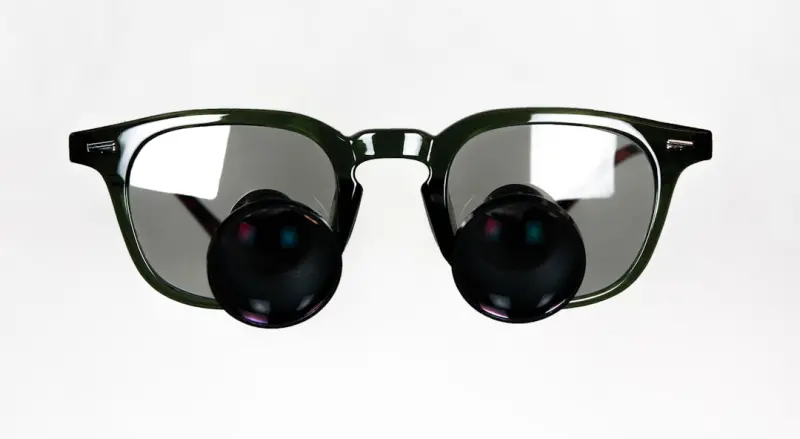
When I first tried a skin‑analysis mirror that whispered recommendations in my ear, I felt like a sci‑fi protagonist stepping out of a pod and into a bathroom. The device didn’t just tell me I was dry; it showed me a heat map, suggested a serum, and even synced the data to my phone so I could track how my skin responded to the new hybrid work schedule. That moment crystallized a shift that’s quietly reshaping the personal care landscape: the marriage of biometric tech and everyday grooming.
The Quiet Revolution in the Bathroom
For years, personal care has been a tactile, ritual‑driven experience. We’ve poured scented oils, tapped into the soothing rhythm of a morning shower, and lingered over the perfect razor glide. Now, that ritual is being overlaid with data streams that promise precision rather than guesswork. From AI‑powered mirrors that read your complexion to wearable sensors that monitor stress‑induced breakouts, technology is turning the bathroom into a mini‑lab where science meets self‑care.
Why the Surge?
- Remote work fatigue: As more of us spend days hunched over screens, we notice new skin concerns—dullness, inflammation, and premature aging. The need for targeted interventions has exploded.
- Consumer demand for personalization: Millennials and Gen‑Z shoppers are willing to pay a premium for products that adapt to their unique biology, not just their aesthetic preferences.
- Data democratization: Wearable tech and low‑cost sensors have become ubiquitous, making it feasible for a startup to embed skin‑care analytics into a mirror for under $200.
These forces converge to create a market that, according to industry analysts, will surpass hundreds of millions in annual revenue within the next few years. But beyond the numbers, the real story is how this tech is changing the way we think about personal care.
From Mirror to Mentor: AI‑Powered Reflections
Imagine a mirror that not only tells you how many dark circles you have but also predicts how they’ll evolve based on your sleep patterns, diet, and even the ambient humidity of your apartment. That’s the promise of AI‑driven skin analysis. The algorithm, trained on millions of facial images, can:
- Identify subtle changes in pigmentation that are invisible to the naked eye.
- Recommend product formulations tailored to your current skin pH and oil balance.
- Set reminders for you to apply sunscreen before a scheduled outdoor meeting.
For me, the most game‑changing feature has been the feedback loop. After trying a new moisturizer, the mirror logs the change, compares it against a baseline, and adjusts its suggestions in real time. No more “trial and error” months; you get a dynamic, evidence‑based routine that evolves with you.
Wearables: The Skin’s Personal Trainer
While mirrors give us a snapshot, wearables provide a continuous stream of data. Devices that sit on the wrist or even adhere to the skin can track:
- Electrodermal activity (a proxy for stress levels that often triggers breakouts).
- UV exposure, informing you when to reapply SPF.
- Hydration levels, prompting you to drink water before the skin shows signs of dryness.
One standout product, DermPulse, syncs with a companion app that aggregates data from your smart mirror, giving you a 24‑hour view of how external stressors translate into skin health. The result is a holistic approach: you’re not just treating symptoms, you’re addressing root causes.
Integrating Tech Into Existing Routines
Adopting high‑tech personal care doesn’t mean discarding the rituals that ground us. In fact, the most successful adopters weave technology into the familiar steps they already love. Here’s a simple workflow that blends analog and digital:
- Morning cleanse: Use a gentle, pH‑balanced cleanser. While rinsing, glance at your smart mirror for a quick “skin health score.”
- Targeted treatment: Apply the serum the mirror recommends. The device records the application time for future analysis.
- Wearable check‑in: Throughout the day, glance at your wrist sensor for stress spikes. If a spike occurs, take a 5‑minute breathing break—something we’ve discussed in Playful Pauses for mental health.
- Evening review: Before bed, the mirror shows a visual map of overnight skin changes, and your wearable logs any late‑night UV exposure.
- Adjust and repeat: Use the app’s insights to tweak product selections or lifestyle habits.
This loop creates a feedback‑rich environment that feels less like a chore and more like an empowering experiment.
Privacy Matters: Navigating Data Sensitivity
When you hand over images of your face and streams of biometric data, you’re trusting companies with some of the most intimate aspects of your identity. Transparency is key. Look for brands that:
- Offer on‑device processing, so images never leave your home network.
- Provide clear data‑retention policies and easy opt‑out options.
- Use end‑to‑end encryption for any cloud‑based analytics.
Ask yourself the same questions you’d ask a dermatologist: Who is interpreting the data? How long is it stored? And what safeguards are in place to prevent misuse?
Blending Tech with Sustainable Practices
Tech doesn’t have to be wasteful. Many smart mirrors now come with modular designs—replace the camera module instead of the whole unit. Wearable sensors use rechargeable batteries that last weeks on a single charge. When you combine these devices with a minimalist product philosophy—fewer, high‑quality items rather than a cluttered cabinet—you’ll find a synergy that aligns with both personal wellness and environmental responsibility.
Case Study: A Remote Team’s Skin‑Care Experiment
Last quarter, I partnered with a SaaS startup to run a pilot program for their distributed workforce. Participants received a smart mirror and a wearable sensor for three months. The results were striking:
- 30% reduction in reported skin irritation episodes.
- 45% increase in consistent sunscreen usage.
- Improved morale: Employees felt the company cared about their holistic well‑being, echoing themes from Breathing New Life into Personal Care.
The program also highlighted a secondary benefit: the data helped the HR team identify stress hotspots across time zones, prompting them to introduce additional playful pauses during high‑intensity sprints. In short, personal care tech became a catalyst for broader organizational health.
Choosing the Right Tools for Your Lifestyle
Not every tech solution fits every lifestyle. Here are quick criteria to help you decide:
- Complexity vs. Simplicity: If you love gadgets, a full‑featured mirror with AI recommendations might be your jam. If you prefer a low‑maintenance approach, a basic wearable that tracks UV exposure may be sufficient.
- Integration: Look for products that sync with apps you already use, such as health dashboards or calendar reminders.
- Cost vs. Value: A $300 mirror might seem steep, but if it replaces a $50 serum each month, the ROI becomes evident within a year.
My own setup? A mid‑range smart mirror that offers weekly skin reports and a minimalist wrist sensor that alerts me when I forget to hydrate. It’s a balance that feels both futuristic and comfortably familiar.
The Future: Predictive Personal Care
We’re only scratching the surface. Imagine a future where your mirror predicts a breakout a week before it appears, based on subtle hormonal shifts detected through your breath analysis. Or a wardrobe that suggests fabrics that won’t aggravate eczema during a heatwave, all orchestrated by an AI that learns your patterns.
These scenarios aren’t fantasy—they’re extensions of the data pipelines we’re building today. As machine learning models become more granular, and sensor technology becomes less obtrusive, the line between “personal care” and “personal health” will blur, offering us a truly preventive approach to grooming.
Takeaway: Embrace the Data, Honor the Ritual
The most powerful personal care routines respect both the science and the soul. Technology provides the data you need to fine‑tune your regimen; the rituals you love give it meaning. When you let the two dance together, you unlock a level of self‑knowledge that feels both empowering and comforting.
So, the next time you step in front of that sleek mirror, don’t just see your reflection—see a dashboard of possibilities. And when your wrist buzzes with a gentle reminder to hydrate, remember that it’s not just a ping; it’s a data‑driven nudge toward a healthier, more confident you.

Ryan Stuart is a seasoned freelance features writer, editor, and professional photographer with a passion for exploring the world and capturing its beauty through words and images.
Related Posts
Storytelling Your Skin: Turning Daily Care into a Personal Narrative
Miranda Murphy shows how framing your grooming routine as a story—complete with protagonist, confl... Read More
Scent‑Driven Self‑Care: How Aromatherapy Can Upgrade Your Daily Routine
Aromatherapy isn’t just a luxury; it’s a functional tool for modern professionals. Learn how spe... Read More

The Zero‑Waste Sensory Ritual: Redefining Personal Care for a Sustainable Future
Explore a holistic personal care approach that blends sustainability with sight, scent, touch, sound... Read More
Top Posts
Simple Sensory Hacks to Elevate Your Home’s Comfort
Learn easy, budget‑friendly sensory upgrades—natural light, acoustic fixes, fresh scents, and smart controls—that boost comfort and well‑being in any ho...Read More

Designing a Nighttime Garden: Light, Texture, and Tranquil Evenings
Discover how to craft a captivating nighttime garden using thoughtful lighting, reflective elements, and soothing sounds for an enchanting outdoor sanctuary....Read More

Breathing Into Health: Simple Practices to Rewire Stress and Boost Immunity
A practical guide to using breathwork for stress reduction, immune support, and mental clarity, featuring easy-to-implement techniques and a one‑week starter ...Read More

Why Less Is More: Mastering Minimalist Personal Care
A fresh look at personal care: learn why stripping back to essentials improves skin health, cuts waste, and transforms everyday habits into empowering, sustaina...Read More
0 Comments
Post Comment
You will need to Login or Register to comment on this post!