

Why Mental Health Needs a New Playbook in the Remote Era
When the office walls disappeared and Zoom became the default conference room, we gained flexibility, time‑zone freedom, and the occasional pajama‑friendly meeting. Yet the same technology that liberated us also erected an invisible pressure cooker: the expectation to be perpetually “on.” Emails ping at midnight, Slack messages linger in the background, and the line between work and personal life blurs into a single, endless stream. Traditional mental‑health strategies—annual counseling sessions, annual wellness days, or occasional meditation breaks—were designed for a 9‑to‑5 world. They simply don’t cut it when the brain is asked to toggle between tasks every few minutes, 24/7.
The Hidden Cost of Constant Connectivity
Research consistently shows that frequent task‑switching erodes cognitive bandwidth. Each interruption forces the prefrontal cortex to re‑orient, a process that consumes glucose and releases stress hormones. Over time, this “attention residue” accumulates, leading to fatigue, reduced creativity, and a subtle but persistent sense of overwhelm. In a hyper‑connected environment, the symptoms often masquerade as “just being busy” or “working hard.” The truth is that the brain is paying a hidden tax, and the payoff is a steady erosion of mental resilience.
Three Practical Pillars for Sustainable Cognitive Health
Instead of sprinkling generic wellness tips across the organization, think of mental health as a system that requires three interlocking pillars: intentional disconnection, micro‑recovery practices, and narrative reframing through peer conversations.
1. Intentional Disconnection
Disconnecting isn’t about logging off for a weekend; it’s about creating predictable, short‑duration “off‑ramps” throughout the day. The goal is to give the brain a chance to consolidate memory, clear neurotransmitter clutter, and reset stress pathways. Here are a few tactics that have proven effective:
- Scheduled “no‑screen” windows. Block 15‑minute intervals on your calendar where you step away from all digital devices. Treat these windows as non‑negotiable meetings with yourself.
- Physical space cues. A simple object—a plant, a colored coaster, or a small desk flag—can signal to your mind that it’s time to shift modes. When you see the cue, you consciously close the mental loop on work‑related thoughts.
- Boundary contracts. Have teams co‑create a “digital contract” that defines acceptable response times after hours. When everyone respects the contract, the collective stress load drops dramatically.
When you design these disconnection rituals thoughtfully, you’re not just protecting employees from burnout—you’re giving them the mental bandwidth to innovate.
2. Micro‑Recovery Practices
Micro‑recovery is the practice of inserting tiny, restorative actions into the flow of work. These aren’t the long meditation sessions that many people struggle to fit in; they’re bite‑sized habits that can be performed in under a minute.
- Box‑breathing. Inhale for four counts, hold for four, exhale for four, hold for four. This simple rhythm toggles the autonomic nervous system back toward calm.
- Micro‑stretch loops. Stand, reach overhead, roll your shoulders, then sit again. The movement stimulates blood flow and reduces muscular tension that often masquerades as mental fatigue.
- Visual palate cleanse. Shift your gaze to something green for 20 seconds—whether it’s a plant, a window view, or a digital nature wallpaper. The brief exposure to the color green triggers a relaxation response in the brain.
These practices are most effective when they become automatic, like the habit of checking the time. Encourage teams to pair micro‑recovery with existing workflow triggers (e.g., after sending an email, take a 30‑second stretch).
3. Narrative Reframing Through Peer Conversations
Human beings are storytelling machines. The way we narrate our daily experiences shapes our emotional reality. When we share a challenge with a colleague and receive a fresh perspective, we often reframe the stressor from “insurmountable” to “manageable.”
Facilitating structured peer conversations can be as simple as a weekly 10‑minute “story swap” where small groups discuss one work‑related frustration and one personal win. The key is to keep the conversation focused on process rather than blame, encouraging a culture of collective problem‑solving.
Research shows that these peer‑driven reframing sessions boost dopamine, improve emotional regulation, and create a sense of belonging—an antidote to the isolation that remote work can bring.
Designing a Digital Workspace That Supports Mental Resilience
Physical space isn’t the only environment that matters; the digital workspace can either amplify stress or nurture calm. A clutter‑free digital environment—think clean folders, limited open tabs, and a minimalist notification system—mirrors the benefits of a tidy physical desk without invoking the “minimalist” buzzword from other posts. For teams looking to upgrade their digital ergonomics, consider the principles outlined in designing a clutter‑free digital workspace. By reducing visual noise, you free up mental bandwidth for deep work.
Embedding the Playbook Into Organizational DNA
Any strategy is only as good as its implementation. Here’s a step‑by‑step roadmap to embed the three pillars into the culture:
- Leadership endorsement. Leaders must model intentional disconnection—turn off notifications during personal time, share their micro‑recovery habits, and openly discuss mental‑health narratives.
- Policy alignment. Update HR policies to reflect the new digital contracts, ensuring that overtime expectations are realistic and that employees are protected from after‑hours intrusion.
- Tool integration. Leverage existing platforms (e.g., Slack status, Outlook calendar) to automate “do‑not‑disturb” windows and prompt micro‑recovery reminders.
- Feedback loops. Conduct quarterly pulse surveys focused on perceived cognitive load and the effectiveness of the micro‑recovery practices. Iterate based on the data.
When the organization’s infrastructure supports these habits, mental health shifts from being an “add‑on” to becoming a core performance driver.
The Role of Structured Mental Breaks
One often overlooked technique is the intentional “mental vacation.” While the term might sound whimsical, it’s a scientifically backed method to reset the brain’s default mode network. By stepping away from problem‑solving tasks and engaging in a different mental activity—such as doodling, listening to a favorite song, or reading a short story—you allow the brain to consolidate information and surface creative insights.
For a concise guide on how to implement these pauses, see structured mental breaks. The key is to schedule them deliberately, rather than waiting for the brain to demand a break on its own.
Measuring Impact Without Over‑Surveying
Traditional wellness surveys can feel invasive and often yield low response rates. Instead, try passive metrics: track average response times after hours, monitor the frequency of “away” status usage, and analyze the duration of focused work blocks using time‑tracking tools. These data points give a clear picture of whether employees are truly disconnecting and recovering.
Pair these quantitative insights with qualitative anecdotes from the peer‑conversation sessions. The combination creates a holistic view of mental health that respects privacy while still informing strategy.
Conclusion: From Survival to Thriving
In a world where the digital tide never recedes, mental health cannot be an afterthought. By building intentional disconnection, micro‑recovery, and narrative reframing into the daily rhythm, organizations empower their people to not just survive the constant ping, but to thrive amidst it. The result isn’t just happier employees—it’s a more innovative, resilient, and future‑ready company.

Brad Hays is a freelance writer known for his versatile skill set and ability to craft compelling content across a wide range of industries.
Related Posts

Emotional Hygiene: A Daily Practice for Sustainable Mental Well‑Being
Discover a step‑by‑step emotional hygiene system—micro‑reflection, boundary architecture, an... Read More

Reclaiming Calm: Intentional Digital Boundaries for Mental Wellness
A practical guide to setting intentional digital boundaries, using playful curiosity and AI tools to... Read More
Playful Mindscapes: Structured Daydreaming as a Mental‑Health Superpower
Structured daydreaming transforms idle mind‑wandering into a purposeful practice that fuels creati... Read More
Top Posts

Why I’m Making Forest Bathing My Daily Productivity Hack
Amanda shares her journey of swapping desk time for brief forest bathing sessions, detailing science‑backed benefits, practical tips for busy professionals, a...Read More

From Laundry to Lush: Turning the Utility Space into a Green Retreat
Transform your utility room into a thriving indoor garden with low‑light plants, smart lighting, and DIY design hacks, turning everyday chores into a calming,...Read More
When Your Steps Count More Than Your Emails: Harnessing Community Walking for Remote Well‑Being
A deep dive into why coordinated walking boosts mental and physical health for remote teams, with actionable steps to launch a sustainable community walking cha...Read More
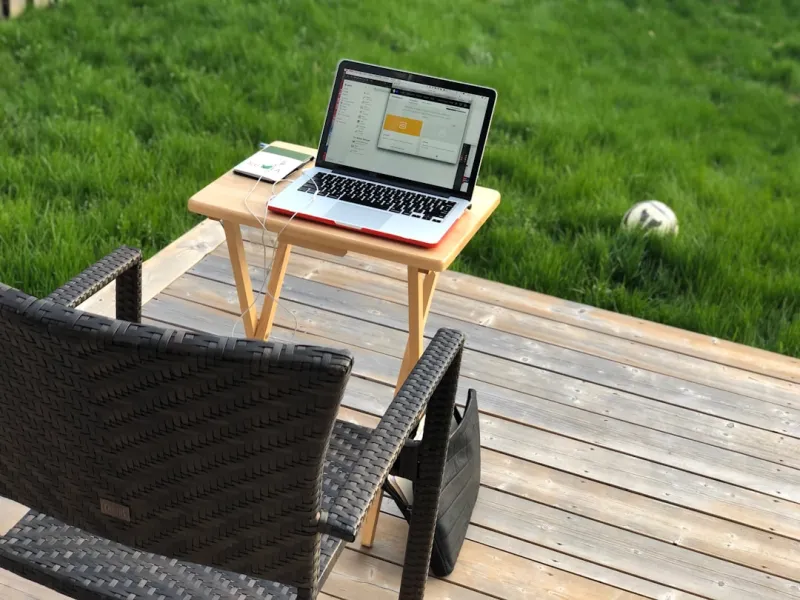
Garden Desks Are Redefining Employment in 2026
Garden desks are turning lawns into high‑performance offices, marrying nature with productivity. Discover why this green shift is the hottest employment trend...Read More
0 Comments
Post Comment
You will need to Login or Register to comment on this post!