
When I first stepped into the world of high‑stakes SaaS, my mind was laser‑focused on metrics, pipelines, and code. It wasn’t until I started feeling the subtle, persistent fatigue that I realized my personal care habits were the silent saboteurs of my performance. This isn’t a fluffy “self‑care” pep talk; it’s a deep‑dive into the science‑backed, habit‑hacking strategies that keep a busy professional at the top of their game. Think of it as a tactical playbook for the body and mind, built on evidence, real‑world experiments, and a dash of the unconventional.
Why Personal Care Is Your Competitive Edge
Most executives treat personal care as a “nice‑to‑have” after‑thought, something you slot in when the calendar finally frees up. In reality, the very definition of competitive advantage in the modern workplace includes how well you manage the most valuable asset you own: yourself. A well‑tuned body and mind translate directly into sharper decision‑making, higher stamina for marathon meetings, and a resilient mindset when the market throws curveballs.
Consider this simple equation:
- Energy = Quality of Sleep + Nutrient Density + Stress Management
- Focus = Energy ÷ Distractions
When any component of the energy equation falters, focus plummets, and the downstream effects ripple through every KPI you’re tasked to hit. That’s why a strategic personal care system isn’t optional—it’s mission‑critical.
Reframing Personal Care as a Performance System
Instead of viewing personal care as a series of isolated rituals (e.g., “wash face at night, stretch in the morning”), treat it as an integrated performance system with feedback loops, metrics, and iteration. Below is a framework that mirrors how you’d manage a SaaS product lifecycle:
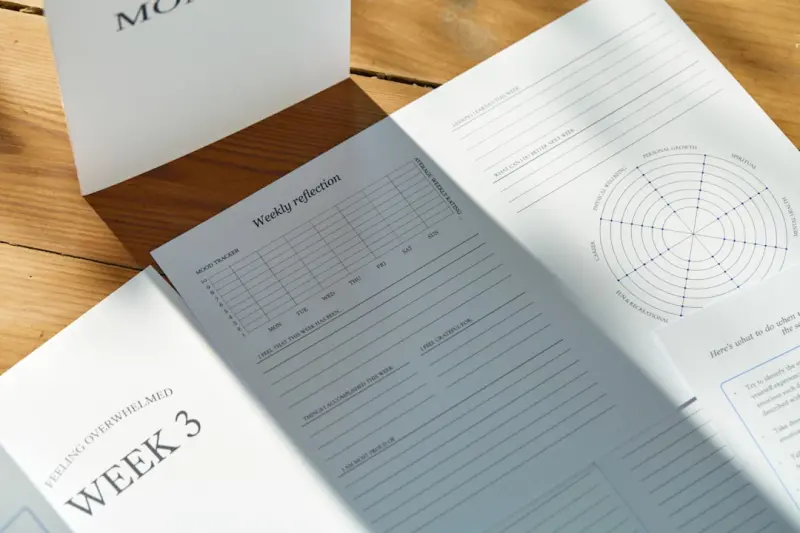
- Discovery – Audit your current habits. Track sleep, hydration, skin health, and stress markers for a week.
- Prioritization – Identify the three biggest “leaks” in your energy budget. Is it fragmented sleep? Poor nutrition? Chronic tension?
- Implementation – Deploy targeted interventions (see the sections below).
- Measurement – Use simple KPIs like morning alertness rating (1‑10), skin clarity index, and heart‑rate variability (HRV).
- Iteration – Refine based on data. Drop what doesn’t move the needle; double down on what does.
1. Optimize the Micro‑Environment of Your Body
Just as you’d fine‑tune a server rack for optimal airflow, you can engineer your immediate surroundings to support physiological health. Two low‑tech, high‑impact tweaks are:
- Temperature Zoning: Keep your workspace at ~21°C (70°F) and your sleeping environment slightly cooler (around 18°C/65°F). Cooler temps boost melatonin production, leading to deeper REM cycles.
- Light Hygiene: Leverage natural daylight in the morning and dim, amber lighting after sunset. Blue‑light blocking glasses can be a game‑changer for late‑night screen sessions.
These adjustments create a consistent circadian rhythm, which is the foundation for sustained energy and mental clarity.
2. Harness the Chemistry of Scent for Mood & Focus
Scents are not just pleasant aromas; they are potent neuromodulators. Research shows that certain essential oils can lower cortisol, enhance alertness, and even improve skin barrier function. Here’s a quick starter kit you can assemble on a budget:
- Peppermint – Inhale for a rapid boost in alertness. Ideal before presentations or deep‑work sprints.
- Lavender – Diffuse in the evening to ease anxiety and improve sleep quality.
- Rosemary – Apply (diluted) to temples for improved memory recall during strategy sessions.
Integrate these aromas into your daily flow: a few drops on a cotton ball under your keyboard, a portable diffuser on your desk, or a scented pillow spray at night. The key is consistency; the brain learns to associate the scent with a specific state, making the transition smoother.
3. Nutrition That Fuels Skin & Brain Simultaneously
We often separate “beauty foods” from “brain foods,” but the skin is the most visible organ of the nervous system. Here are three nutrient clusters that serve both functions:
- Omega‑3 Rich Foods – Salmon, chia seeds, and walnuts reduce inflammation, supporting clearer skin and sharper cognition.
- Polyphenol Powerhouses – Berries, dark chocolate, and green tea protect against oxidative stress, which is a primary driver of premature aging and mental fatigue.
- Collagen‑Boosting Amino Acids – Bone broth, gelatin, and vitamin‑C‑rich fruits promote skin elasticity while also supporting neurotransmitter synthesis.
Instead of a “skin‑care supplement” that sits on a shelf, think of these foods as the original beauty‑inside‑out regimen.
4. Movement That Marries Mobility With Mindfulness
Traditional “gym time” can feel like a checkbox. What if you reframe movement as a series of micro‑mobility rituals that double as mental resets?
- Desk‑Based Mobility: Every 90 minutes, stand, roll shoulders, and perform a 30‑second cat‑cow stretch. This releases spinal tension and re‑oxygenates the brain.
- Focused Flow Sessions: 10‑minute body‑scan yoga flows before high‑stakes calls improve parasympathetic tone, lowering stress reactivity.
- Evening Walks with Scent Pairing: Pair a short walk with a lavender inhaler to signal to your nervous system that it’s time to unwind.
5. Data‑Driven Skincare Without the Gadget Overload
While wearables are cool, you don’t need a pricey ring to know if your skin barrier is compromised. A simple, data‑light approach can be just as effective:
- Visual Log – Snap a daily photo of your forehead, cheeks, and chin under consistent lighting. Over a month, you’ll spot trends like increased redness or dryness.
- Texture Test – Every evening, gently press a clean fingertip to your skin. If it feels tacky, you’re likely under‑moisturized.
- Barrier Recovery Score – After a stressor (e.g., a long flight), note how many days it takes for your skin to return to baseline smoothness. Use this as a metric for product efficacy.
For those who love a reference point, the post Smart Skincare: Wearables That Personalize Your Beauty Routine dives into the tech side, but you can achieve solid results without a smartwatch.
6. The Power of a “Micro‑Ritual” Nightcap
Instead of a long, elaborate bedtime routine that competes with the endless scroll, craft a micro‑ritual that takes less than five minutes but signals your nervous system that it’s time to shut down:
- Turn off all blue‑light sources (phone, computer) at least 30 minutes before bed.
- Apply a light facial oil enriched with squalane and vitamin E—this locks in moisture and sends a calming signal to the brain.
- Take three slow, diaphragmatic breaths while visualizing a calming scene (e.g., waves). This activates the vagus nerve, dropping heart‑rate variability (HRV) into the restorative zone.
This micro‑ritual aligns with the “capsule personal care routine” concept outlined in Why Less Is More: Building a Capsule Personal Care Routine, but we’re applying it specifically to sleep hygiene, making it a high‑impact, low‑friction habit.
7. Building a Personal Care Dashboard
Data lovers will appreciate a simple spreadsheet that tracks the following daily metrics:
| Metric | Target | Actual |
|---|---|---|
| Sleep Hours | 7‑9 | |
| Morning Alertness (1‑10) | 8+ | |
| Water Intake (oz) | 64 | |
| Skin Texture Rating (1‑5) | 4+ | |
| Stress Level (1‑10) | ≤4 |
Review the data weekly. Spot patterns—perhaps low water intake correlates with lower skin scores, or high stress aligns with poorer sleep. Then, iterate your interventions accordingly.
8. The “Digital Minimalism” of Personal Care Products
Just as you trim down SaaS stack bloat, declutter your bathroom shelf. Keep only three categories:
- Cleanser – A gentle, pH‑balanced formula that respects the skin’s microbiome.
- Moisturizer – One that contains ceramides or niacinamide for barrier repair.
- Targeted Treatment – A single serum addressing your biggest concern (e.g., vitamin C for brightness, retinol for renewal).
This minimalist approach reduces decision fatigue and ensures every product you use has a clear purpose.
9. Leveraging Community for Accountability
Even the most disciplined professionals can slip. Pair up with a “Personal Care Buddy”—a colleague or friend who shares similar goals. Set weekly check‑ins to review dashboards, exchange product recommendations, and celebrate micro‑wins. The social reinforcement mirrors the accountability loops we cherish in agile development.
Conclusion: Personal Care as a Growth Hack
When you treat personal care like a growth hack for your own performance, the results cascade across every facet of your professional life. You’ll notice sharper focus during strategy sessions, steadier energy across time zones, and a skin tone that subtly signals confidence to clients and peers alike. The biggest secret? Consistency, data, and a willingness to iterate—exactly the same principles that power the most successful SaaS products.
Take the first step today: audit your habits, pick one micro‑intervention from the playbook, and log the results. In a few weeks, you’ll have a personal care system that’s as optimized as your codebase, and you’ll wonder why you ever treated it any other way.

Jimmy Damon loves to right on a large scale of topics with all things Canadian as this Montreal die hard loves hockey. fishing and sports.
Related Posts
The Soundtrack of Self‑Care: How Audio Can Upgrade Your Personal Routine
Explore the power of sound in personal care: from low‑frequency binaural beats that promote relaxa... Read More
Ingredient Transparency: A New Personal Care Playbook
Discover a step-by-step guide to understanding ingredient lists, building a personal ingredient dict... Read More
The Zero‑Waste Personal Care Revolution: Trim Your Routine and Your Footprint
A practical guide to cutting plastic, embracing refillable systems, and crafting DIY toiletries, sho... Read More
Top Posts

Why Garden Desks Are the Hottest Trend Transforming Home & Garden Living
Explore the rise of garden desks, blending nature with work to boost creativity, wellness, and eco‑friendly living in your home garden....Read More

Redefining Employment: Human‑Centric Design for the Modern Workplace
A deep dive into human‑centric employment, covering purpose‑driven work, psychological safety, remote‑work rituals, health integration, and actionable ste...Read More

From Cubicle to Garden: How Outdoor Desks Are Redefining Employment
Explore the shift from traditional offices to garden desks, uncovering how outdoor workspaces boost morale, productivity, and redefine modern employment....Read More
Portfolio Careers: Redefining Employment in a Flexible World
Portfolio careers combine multiple short‑term roles into a full‑time equivalent, delivering skill diversification, income elasticity, and career agility for...Read More
0 Comments
Post Comment
You will need to Login or Register to comment on this post!