
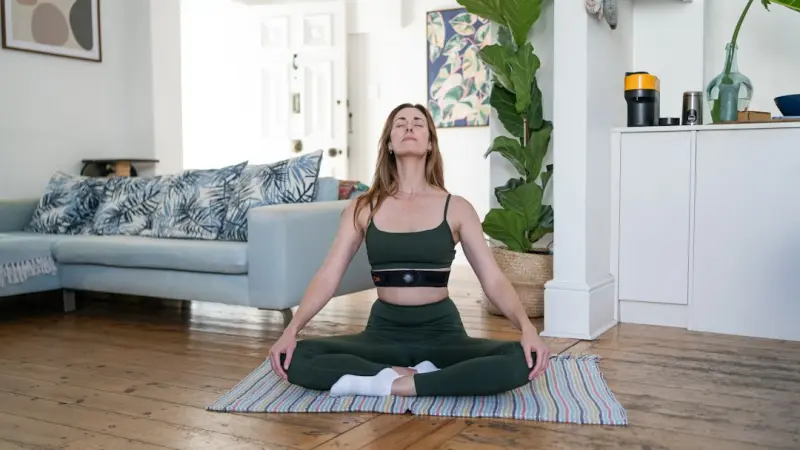
Breathing Back Balance: A Fresh Take on Everyday Health
When the world feels like a perpetual sprint, the most powerful tool we have is often the simplest—our breath. I’ve spent the last decade chasing productivity hacks, smart‑home upgrades, and the latest wearables, only to discover that the real catalyst for lasting health isn’t a new gadget or a meticulously curated scent strategy. It’s the conscious pause we give our nervous system each time we inhale and exhale.
In this post, I’ll walk you through a practical, science‑backed framework for harnessing breath as a daily health tonic. We’ll explore how intentional breathing can:
- Reset the stress response without a single supplement.
- Boost focus and creative flow during work sprints.
- Support digestion, immunity, and even skin health.
And because I love connecting the dots, I’ll reference a couple of our past explorations that dovetail nicely with this journey—just click the links when you’re ready for a deeper dive.
Why Breath Deserves a Seat at the Health Table
Breathing is the one involuntary rhythm that we can make voluntary. That paradox is the secret sauce behind its therapeutic potential. When you consciously shift from shallow chest breaths to deeper diaphragmatic inhales, you trigger the parasympathetic branch of the autonomic nervous system—the “rest‑and‑digest” mode that counters cortisol spikes and the fight‑or‑flight cascade.
Recent peer‑reviewed studies have shown that a mere five‑minute breath session can lower heart rate variability (HRV) markers associated with stress by up to 20%. Over weeks, this translates to improved sleep quality, sharper decision‑making, and a more resilient immune response.
Three Breath Patterns to Embed in Your Day
Below are three simple yet powerful breathing techniques you can weave into any routine—whether you’re prepping a client pitch, walking the dog, or winding down after a long day.
1. Box Breathing (4‑4‑4‑4)
This method, popularized by Navy SEALs, is a structured rhythm: inhale for four counts, hold for four, exhale for four, and pause for four. The square pattern stabilizes the nervous system and sharpens focus.
- When to use: Before a high‑stakes meeting or during a stressful commute.
- How it feels: A gentle, almost meditative cadence that grounds you in the present.
2. 4‑7‑8 Relaxation Breath
Developed by Dr. Andrew Weil, this sequence involves inhaling for four seconds, holding for seven, and exhaling slowly for eight. The prolonged exhale activates the vagus nerve, a key player in calming inflammation.
- When to use: At night, to ease insomnia, or after an intense workout.
- How it feels: A deep, satisfying release that often brings a subtle smile.
3. Diaphragmatic “Ocean” Breath
Imagine the tide rolling in and out. Place one hand on your chest and the other on your belly. Breathe in through the nose, feeling the belly rise like a wave, then exhale through pursed lips, feeling the belly fall. This breath expands lung capacity and massages internal organs, supporting digestion and detox.
- When to use: During meals, while reading, or anytime you notice tension in the gut.
- How it feels: A soothing, rhythmic flow that connects mind, body, and the environment.
Integrating Breath With Modern Tools
While breath works wonderfully on its own, the digital age offers subtle ways to reinforce the habit. For instance, many smartwatches now feature guided breathing modes that cue you with gentle vibrations. If you’ve ever wondered how those tiny prompts might actually be reading more than just your pulse, check out When Your Wristband Knows Your Skin Better Than You Do. That article dives into how biometric data can personalize wellness cues, and you’ll see that a simple haptic reminder can become a trigger for a 4‑7‑8 session.
Another under‑explored synergy lies in micro‑journaling of breath experiences. Pairing a breath practice with a brief reflective note—just a line or two—helps cement the habit and surfaces patterns you might otherwise miss. The act of writing mirrors the insights from The Unexpected Power of a Personal‑Care Journal, where consistent reflection amplified self‑awareness and habit formation.
Breath and the Body: A Holistic Connection
Breath isn’t merely a mental reset; it ripples through every physiological system:
- Digestive Health: Diaphragmatic breathing gently massages the abdominal organs, encouraging peristalsis and nutrient absorption.
- Immune Modulation: The vagus nerve, stimulated by slow exhalations, releases acetylcholine, a neurotransmitter that tempers inflammatory cytokines.
- Skin Radiance: Reduced stress translates to fewer cortisol‑driven breakouts; plus, the increased oxygenation supports collagen synthesis.
- Hormonal Balance: Deep breathing can lower adrenaline spikes, supporting a more stable insulin response and better weight management.
Designing a Breath‑Friendly Environment
Just as we curate scent profiles for our homes, we can shape spaces that naturally cue better breathing:
- Air Quality: Invest in a modest HEPA filter or indoor plants like snake plant and pothos to keep pollutants low.
- Lighting: Soft, warm lighting in the evening reduces blue‑light exposure, making it easier to settle into a 4‑7‑8 rhythm before bed.
- Seating: Opt for chairs that allow the spine to maintain its natural curve, facilitating diaphragmatic expansion.
- Soundscape: Low‑frequency ambient sounds—think ocean waves or gentle rain—can act as a metronome for paced breathing.
From Theory to Practice: A 7‑Day Breath Blueprint
To help you embed these techniques, here’s a simple weekly plan. Each day, allocate five minutes—no more, no less. Consistency beats intensity when building neural pathways.
- Day 1‑2: Box breathing in the morning, before checking email.
- Day 3‑4: 4‑7‑8 at lunch, right after finishing your meal.
- Day 5‑6: Ocean breath during a short walk or while waiting for a coffee.
- Day 7: Combine all three—start with box breathing, transition to 4‑7‑8, finish with ocean breath.
After each session, jot a single line in a notebook: “Felt calm,” “Noticed chest tightness,” “Mind wandered.” Over time, you’ll spot trends—maybe you’re more productive after a box session, or your sleep improves after consistent 4‑7‑8 practice.
Addressing Common Skepticism
“I’ve tried breathing exercises before and felt nothing.” I get it. The brain can become desensitized to novelty. That’s why pairing breath with a tactile cue (like a smartwatch vibration) or a reflective note can re‑ignite the neural reward loop. Another tip: set a modest anchor—a daily habit you already do (e.g., brushing teeth). Perform the breath routine immediately after that anchor to build an automatic association.
Beyond the Individual: Breathing in Teams
Corporate wellness programs often overlook simple, low‑cost interventions. Imagine a 5‑minute “breath break” before a brainstorming session. It can lower collective anxiety, enhance divergent thinking, and reduce meeting fatigue. If you’re curious about scaling such practices, our previous piece on AI‑Infused Knowledge Hubs provides a framework for embedding micro‑learning moments into digital workspaces—breath breaks fit right in.
The Long‑Term Payoff
When practiced consistently, breath work becomes a self‑regulating health thermostat. You’ll notice fewer mid‑day crashes, smoother digestion, clearer skin, and a subtle but profound sense of agency over your nervous system. In a culture obsessed with external optimization—gadgets, supplements, and endless productivity hacks—breath reminds us that the most potent upgrade lives within.
So, the next time you feel the pressure of inbox overflow or a looming deadline, pause. Place a hand on your belly, inhale for four, hold, exhale for eight, and feel the tide of calm roll in. Your body will thank you, your mind will clear, and your health journey will gain a resilient, invisible ally.

Jody Henderson is a passionate freelance writer, driven by a love for storytelling and a keen eye for detail. With a versatile skillset, she crafts compelling content across a variety of niches, from engaging blog posts to informative articles and persuasive marketing copy.
Related Posts

Scent, Color, and Calm: Unconventional Tools for Everyday Health
Discover how simple sensory tweaks—like essential oils, smart lighting, and micro‑breathing—ca... Read More

Rewiring Your Body Clock: Simple Strategies to Align with Your Natural Rhythm
Learn how to harness natural light, meal timing, movement, and mindful tech use to reset your circad... Read More

Why a 10‑Minute Post‑Meal Walk Supercharges Health
A brief, intentional walk after meals can lower blood‑sugar spikes, enhance mood, and support over... Read More
Top Posts
Why Garden Desks Are the Hottest Trend Transforming Home & Garden Living
Explore the rise of garden desks, their design tips, productivity gains, and community impact, all while embracing a greener, more balanced lifestyle....Read More

When Streets Feel Like Home: Cultivating Micro‑Communities on the Road
Learn to transform fleeting travel encounters into lasting micro‑communities with practical tools, authentic settings, and a mindset shift that turns every un...Read More

Nature‑Infused Home Offices: Boosting Focus and Well‑Being
Turn your home office into a thriving, nature‑filled haven that elevates focus, reduces stress, and enhances well‑being with practical plant picks, lighting...Read More

Why Employment Sabbaticals Are the Secret Weapon for Long‑Term Career Resilience
Explore the hidden benefits of employment sabbaticals, learn how to pitch them to your boss, and turn time off into a strategic career accelerator....Read More
0 Comments
Post Comment
You will need to Login or Register to comment on this post!