

Travel used to be a checklist: hit the Eiffel Tower, sip coffee in a Parisian café, snap a sunset over the Grand Canyon. That formula feels stale now, especially when the internet can hand you a “must‑see” list faster than you can pack a bag. I’ve spent the last decade hopping continents, swapping office cubicles for market stalls, and learning that the most unforgettable journeys aren’t the ones you plan on paper—they’re the ones you write as you go.
Why “Travel” Should Be a Story‑Writing Exercise
Think of a trip as a draft of a short story. The setting is the destination, the characters are the locals you meet, and the plot twists are the unexpected detours (the train that’s delayed, the rainstorm that forces you inside a centuries‑old tea house). When you approach travel with a writer’s mindset, you stop chasing “must‑see” landmarks and start curating moments that fit your personal narrative.
That mindset shift also makes you a better listener. Instead of shouting “Look at me!” you’re asking, “What does this place whisper to me?” The result is a richer, more authentic experience that can’t be replicated by a travel influencer’s perfectly filtered reel.
Step 1: Define Your Narrative Theme
Before you book a flight, ask yourself what story you want to tell. Are you chasing the rhythm of street music in Buenos Ayres? Or perhaps you’re mapping the evolution of coffee culture from Ethiopian farms to Seattle roasteries. Your theme becomes the compass that guides every decision—from where you stay to how you move around.
Here’s a quick exercise: write a one‑sentence premise for your trip. Example: “I’m on a quest to discover how ancient spice routes shape modern culinary identities across the Indian Ocean.” This simple sentence will keep you anchored when the noise of popular attractions tries to pull you off course.
Step 2: Curate “Micro‑Moments” Instead of Mega‑Attractions
Micro‑moments are those fleeting interactions that feel insignificant at first glance but linger long after you’ve left. It could be the smell of freshly baked naan in a cramped alley, the sound of a local choir practicing in a church balcony, or the tactile sensation of hand‑woven fabric as you help a vendor fold it.
To spot these moments, you need to be present in a way that most tourists aren’t. Put away the phone (or at least switch it to silent), walk slower, and let your senses dictate the pace. As I discovered on a rainy evening in Lisbon, the city’s true magic lived not in the historic tram rides but in the tiny, dimly lit tavern where an elderly woman sang fado while polishing her antique violin.
When you start hunting for micro‑moments, you’ll notice that they often happen in places people overlook—public parks, neighborhood bakeries, even the line at a municipal water fountain. Those are the spots that become the heart of your story.
Step 3: Leverage Tech as a Quiet Co‑Pilot, Not a Director
Technology can be a powerful ally if you let it enhance, not dominate, your journey. I recently experimented with a travel‑focused AI that suggests hidden gems based on real‑time crowd density, weather, and even your personal mood. It reminded me of the insights in AI as a Strategic Co‑Pilot, but applied to wanderlust.
The trick is to treat the AI as a quiet co‑pilot: it offers options, you make the final call. For instance, the app might highlight a local pottery workshop that’s open only on Tuesdays. You decide whether that aligns with your narrative theme and, if it does, you add it to your itinerary. The AI doesn’t dictate your path; it expands your horizon.
Another subtle tech tool is the “smart scheduling” approach used in home automation. By borrowing concepts from Smart Scheduling for a Seamless Home, you can build a travel rhythm that respects your natural energy peaks and troughs. Schedule museum visits for when you’re most alert, and reserve lazy afternoons for cafés or parks when you need to recharge.
Step 4: Engage All Five Senses—Especially Touch
Travel writing often glorifies visual and auditory experiences, but touch is the most underexplored sense in tourism. Remember the first time you pressed your fingertips against a centuries‑old stone wall in a Moroccan medina? That texture can ground you in a place better than any photograph.
Modern tech is even re‑imagining tactile travel. The concepts explored in When Touch Becomes Tech hint at a future where haptic feedback devices could simulate the feel of sand dunes or the coolness of a mountain stream while you sit at a desk. While we’re not quite there yet, you can start a tactile practice now: collect a small, portable “sense kit”—a piece of fabric, a seashell, a pinch of local spice—and let those items anchor memories when you return home.
Step 5: Turn Transportation Into Storytelling Stages
Most travelers view transport merely as a means to an end. I’ve begun to see it as an integral chapter in the story. A night train across the Siberian expanse isn’t just a way to get from Moscow to Vladivostok; it’s a moving theater where strangers become fellow actors, sharing food, stories, and even impromptu karaoke.
When you board a ferry, a bus, or even a bicycle, ask yourself: what narrative does this mode of travel add? A sailboat may suggest adventure and humility before the sea; a bike ride through rice paddies evokes a slower, earth‑bound rhythm. By consciously selecting your transport, you embed additional layers into your travel narrative.
Step 6: Document with Purpose, Not Exhaustion
Blogging every minute can drain the joy out of a trip. Instead, set aside a dedicated “reflection hour” each evening. Pull out a notebook or a voice recorder, and jot down three sensory details, one conversation snippet, and one personal insight. Over time, these concise entries become a treasure trove for a later, polished travel memoir.
If you love visual documentation, try a “single‑frame diary”: one photo per day that captures the most resonant moment. This forces you to be selective, mirroring the storytelling discipline you applied in step one.
Step 7: Give Back—Travel as a Two‑Way Exchange
One of the most rewarding ways to deepen your narrative is to contribute to the places you visit. Volunteer for a day at a community garden, teach a skill you’re proficient in, or simply purchase from local artisans rather than global chains. This reciprocity transforms you from a passive observer into an active participant, enriching the story you’ll later tell.
When you leave a positive imprint, you also gain stories that are uniquely yours—like the time I helped a group of teenagers in a coastal town of Portugal build a small solar charger for their school. That experience didn’t just add a paragraph to my travel log; it reshaped my understanding of sustainable tourism.
Step 8: Embrace the Unplanned Finale
Even the most meticulously crafted narrative can’t predict every twist. A sudden storm might force you to seek shelter in an abandoned monastery, where you discover a hidden library of illuminated manuscripts. Those unplanned finales often become the most iconic chapters of your travel story.
Instead of fighting the unknown, welcome it. Keep a flexible mindset and a light itinerary that leaves room for serendipity. The best stories are the ones that evolve organically, just like a novel that writes itself as the author walks through the pages.
Putting It All Together: A Sample Narrative Blueprint
To illustrate how these steps fuse into a cohesive travel experience, here’s a condensed blueprint for a two‑week journey through the Balkan Peninsula:
- Theme: “Tracing the crossroads of empire and cuisine.”
- Micro‑moments: Sampling rakija in a hidden mountain tavern; listening to a street violinist in Sarajevo’s Baščaršija.
- Tech Co‑Pilot: Using an AI recommendation engine to discover a family‑run olive oil mill in Montenegro.
- Tactile focus: Carrying a small piece of hand‑woven rug from each city to feel the regional textile differences.
- Transport narrative: Riding the historic Belgrade–Bar railway, documenting each station’s unique architecture.
- Reflection routine: Evening audio diary entries titled “Nightfall Notes” that capture the day’s scent, taste, and emotional tone.
- Give‑back activity: Spending a morning assisting at a community garden in Skopje, learning about traditional vegetable preservation.
- Unplanned finale: A sudden snowstorm in the Albanian highlands leads to a spontaneous night in a shepherd’s hut, where you’re invited to share a pot of homemade çorba.
When you return, you won’t just have a stack of photos; you’ll possess a multi‑sensory story that feels personal, immersive, and impossible to replicate on a generic travel guide.
Final Thoughts: Travel as a Living Draft
Travel isn’t a static checklist—it’s a living draft that evolves with every step you take. By framing your journeys as narratives, you give yourself permission to deviate from the crowd, to linger where curiosity pulls you, and to embed deeper meaning into each mile traveled. The next time you plan a trip, ask yourself: “What story do I want to write?” and let that question steer you toward experiences that are as unforgettable as the destinations themselves.

Brad Hays is a freelance writer known for his versatile skill set and ability to craft compelling content across a wide range of industries.
Related Posts
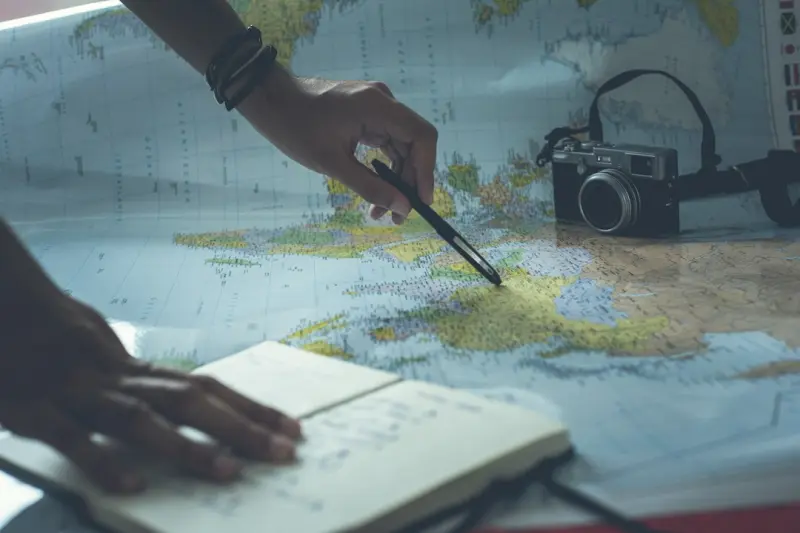
Travel Journals: The Untapped Engine for Business Storytelling
A travel journal isn’t just a souvenir; it’s a strategic tool that turns personal adventures int... Read More

Unplanned Paths: How Serendipity Reinvents Modern Travel
Explore the power of serendipity in travel, learn practical mind‑shifts for spontaneous discovery,... Read More
Turning Everyday Commutes into Curiosity‑Fuelled Adventures
Learn to treat every commute as a mini‑expedition with sensory mapping, portable travel kits, culi... Read More
Top Posts

Micro‑Movement Magic: Tiny Actions, Big Health Gains
Learn how micro‑movements—quick, purposeful actions—can transform your health, boost metabolism, and improve mood, all while fitting seamlessly into a hec...Read More
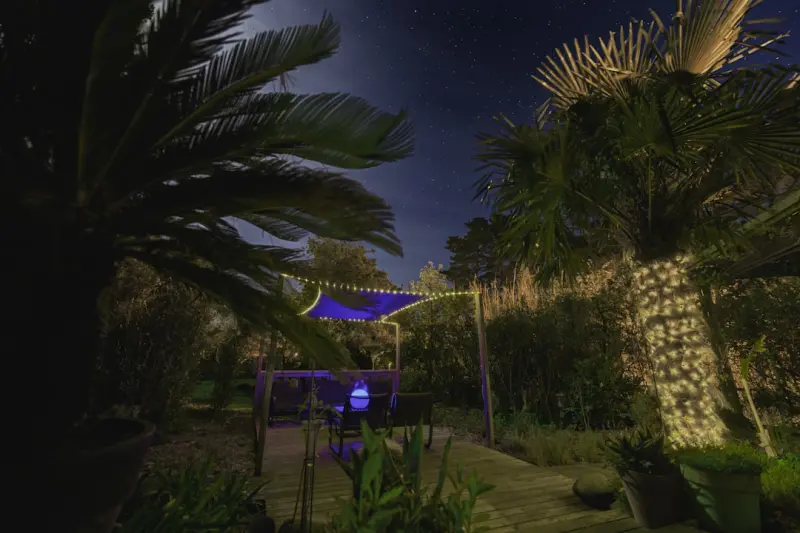
Designing a Nighttime Garden: Light, Texture, and Tranquil Evenings
Discover how to craft a captivating nighttime garden using thoughtful lighting, reflective elements, and soothing sounds for an enchanting outdoor sanctuary....Read More
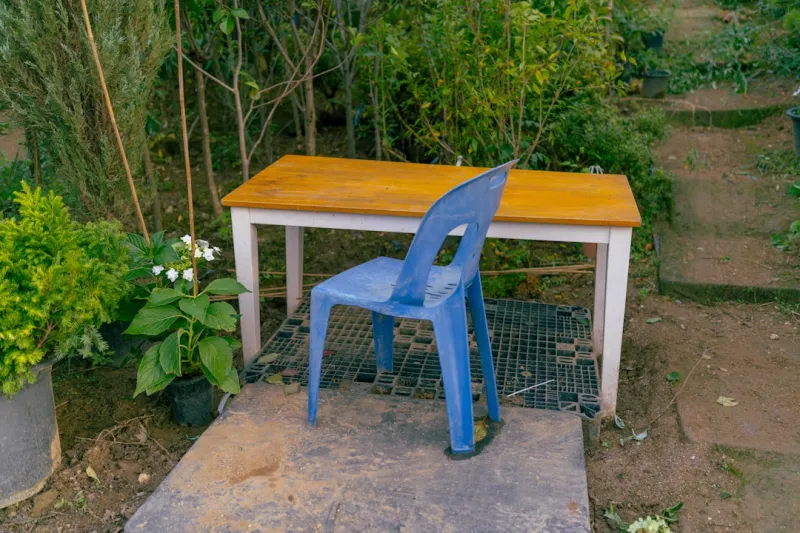
From Cubicle to Garden: How Outdoor Desks Are Redefining Employment
Explore the shift from traditional offices to garden desks, uncovering how outdoor workspaces boost morale, productivity, and redefine modern employment....Read More

How AI Can Teach Brands to Listen: Turning Data into Empathy
Discover how an AI‑powered empathy engine can turn raw sentiment into actionable insight, enabling brands to listen, respond, and build lasting, human‑centr...Read More
0 Comments
Post Comment
You will need to Login or Register to comment on this post!