
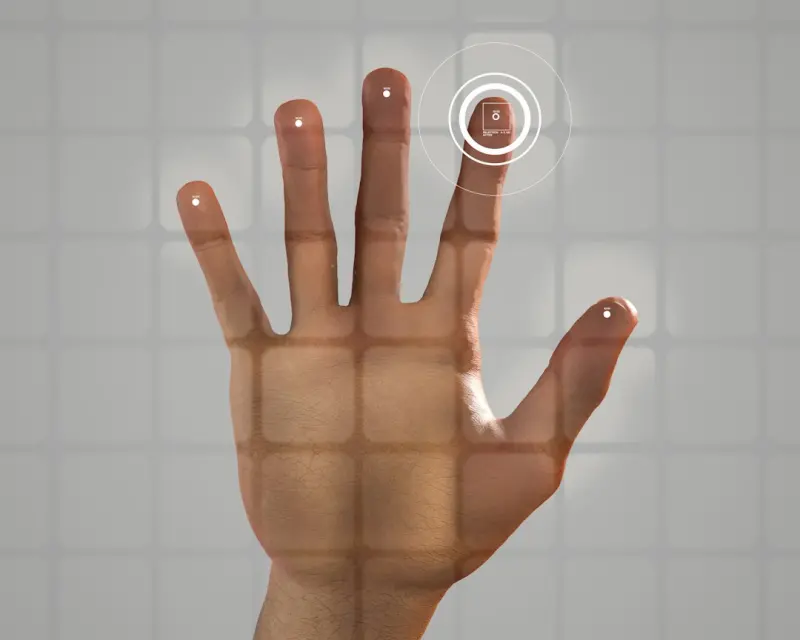
When Touch Becomes Tech: The Future of Tactile Personal Care
There’s something oddly primal about the way we touch ourselves. From the first brush of a toothbrush against our teeth to the soothing glide of a moisturizer over our skin, the sense of touch anchors our daily rituals in a world that’s increasingly digital. As a lifelong enthusiast of both grooming and gadgetry, I’ve spent the past few years watching a quiet yet relentless wave of tactile technology reshape the very act of caring for ourselves. This isn’t about adding another screen to the bathroom cabinet; it’s about re‑engineering the feeling of care, turning routine gestures into data‑rich, comfort‑enhancing experiences.
Why Tactile Innovation Matters
For many of us, personal care is a series of habits performed on autopilot—shave, wash, moisturize, repeat. These habits have historically been judged by outcomes (smooth skin, fresh breath) rather than the quality of the experience itself. Yet the psychology of touch tells a different story. Studies in neuroscience show that gentle, intentional contact can lower cortisol, boost oxytocin, and even improve immune response. When technology can measure and amplify those subtle signals, we get a feedback loop that not only tells us “the job’s done” but also “how well we felt while doing it.”
Smart Textiles: The Fabric of Feel
One of the most promising frontiers is micro‑friendly fabrics that do more than sit against our skin. Imagine a towel woven with conductive fibers that detect moisture levels, then gently adjust its absorbency to keep you comfortably dry without harsh rubbing. Or a pair of socks that monitor foot temperature, alerting you to early signs of circulation issues before they become painful. These “smart textiles” integrate tiny sensors directly into the fibers, sending real‑time data to a companion app that suggests adjustments—perhaps a lighter pressure or a longer soak.
- Moisture‑sensing fabrics: Adjust drying intensity based on real‑time skin hydration.
- Thermal‑responsive fibers: Warm up when ambient temperature drops, keeping muscles relaxed.
- Pressure‑feedback yarn: Guides you toward a gentler grip during facial massage.
Because the sensors are embedded, the fabric retains its softness, ensuring that the tactile pleasure isn’t sacrificed for functionality. Early adopters report that these garments feel “alive,” turning a simple shower into a subtly guided therapeutic session.
Haptic Mirrors: Seeing and Feeling Your Routine
Mirrors have long been the silent observers of our grooming habits. The newest generation—often called “haptic mirrors”—adds a tactile dimension to that visual feedback. Integrated with vibration motors along the frame, these mirrors can vibrate in specific patterns to remind you to apply sunscreen evenly, or to guide the angle of a razor blade for a smoother shave.
How does it work? A small camera maps the contours of your face, while a pressure sensor array detects the force you’re applying with your hands. If the system notices excessive pressure—say, you’re digging too hard with a cleansing brush—it triggers a gentle pulse on the mirror’s edge, prompting you to ease off. Over time, this tactile cue trains muscle memory, encouraging a lighter touch that reduces skin irritation.
Beyond safety, haptic mirrors can also sync with wellness apps to schedule “mindful moments.” A soft, rhythmic pulse every ten minutes reminds you to pause, breathe, and re‑center—bridging the gap between visual routine and mental presence.
Personalized Vibrational Tools
Traditional grooming tools—electric toothbrushes, facial cleansing brushes, electric shavers—already use vibration. The next wave is personalization. Companies are now offering devices whose vibration frequency and amplitude can be customized via smartphone. For example, a facial massager can be set to a low‑frequency pulse for lymphatic drainage in the morning and a higher‑frequency, rapid pulse for deep pore cleansing in the evening.
These devices often come with companion apps that log your skin’s response, allowing the algorithm to recommend adjustments. If your skin reports increased redness after a particular setting, the app will suggest a gentler mode for the next session. The result is a dynamic, data‑driven grooming routine that respects the day‑to‑day variability of our bodies.
Data‑Driven Touch: Merging Metrics with Sensation
While many of us have heard the buzz around personal care metrics, most conversations focus on numbers—how many steps you walked, how many calories you burned. Tactile tech pushes those metrics into the realm of sensation. It transforms raw data into a language our nervous system already understands: vibration, temperature, pressure.
Consider a smart razor that records the angle of each stroke. Over a week, the device aggregates data and surfaces a heat map of pressure points. The app then converts that map into a simple, tactile pattern—perhaps a series of short, sharp pulses along the handle—guiding you toward a more even glide. In this way, numbers become a feeling, and feeling becomes a habit.
Environmental Benefits of Touch‑Centric Design
Beyond personal comfort, tactile tech can contribute to sustainability. Devices that encourage gentler touch often use less product. A moisture‑sensing towel, for example, reduces the need for excessive towel drying, cutting down on energy consumption from dryers. Similarly, a haptic mirror that prompts efficient sunscreen application reduces waste from over‑spraying.
Smart textiles can also be engineered from recycled fibers, marrying performance with eco‑responsibility. When the sensor layer is printed using conductive inks derived from biodegradable polymers, the entire garment remains recyclable. Consumers who care about the planet get an added layer of satisfaction: their personal care routine feels good and does good.
Integrating Tactile Tech into Your Existing Routine
Adopting tactile technology doesn’t require a complete overhaul. Start small and build on what feels natural.
- Step 1: Identify a friction point. Is your shaving causing nicks? Try a razor with pressure feedback.
- Step 2: Add a sensor‑enabled accessory. A moisture‑aware towel can replace your old one in just one shower.
- Step 3: Pair with a mindful app. Sync your haptic mirror to a breathing‑exercise reminder.
- Step 4: Review the data. After a week, check the app’s insights and adjust vibration settings accordingly.
Gradual integration ensures the technology feels like an extension of your routine rather than a disruption. The goal is to make each touch feel intentional, informed, and ultimately more satisfying.
The Future: From Passive Devices to Adaptive Skin
Looking ahead, the line between wearable and environment will blur. Imagine a bathroom wall that senses your skin’s humidity and subtly warms up to create a spa‑like steam, then cools as you finish. Or a showerhead that modulates water pressure based on your heart rate, offering a calming pulse during stressful mornings.
Researchers are already experimenting with “electro‑active polymers” that can change shape in response to electrical signals, turning a simple foam pad into a dynamic, contour‑matching massage surface. Pair that with AI that learns your preferred pressure patterns, and you have a self‑optimizing personal care ecosystem.
These innovations promise a future where personal care is less about “getting the job done” and more about crafting an experience that nurtures body, mind, and even the planet. The tactile revolution is still in its infancy, but the signals are clear: when technology respects the language of touch, every routine becomes an opportunity for deeper well‑being.

Paul Flynn is a versatile freelance writer equipped with a diverse skillset and a portfolio that reflects his wide-ranging interests and expertise. From crafting compelling website copy and engaging blog posts to delivering in-depth articles and meticulously researched reports, Flynn demonstrates a remarkable ability to adapt his writing style to suit various audiences and purposes.
Related Posts
The Sensory Expedition: Rethinking Personal Care as an Adventure
By treating daily grooming as a sensory expedition—engaging touch, scent, sound, sight, and tasteâ... Read More

Personal Care Power‑Ups for Remote Professionals
Learn how simple, intentional personal‑care routines can become a strategic advantage for remote w... Read More
When Your Skin Talks: Decoding the Language of Biofeedback in Personal Care
Explore the rise of biofeedback in personal care, learning how wearable sensors turn everyday skin r... Read More
Top Posts
Designing Quiet, Focus‑Friendly Zones in an Open‑Plan Home
Discover step‑by‑step strategies to turn corners of your open‑plan home into quiet, focus‑friendly zones using furniture, lighting, air quality, and sim...Read More
Turning Transit Time into a Personal Discovery Lab
Discover practical habits and a portable kit that turn every layover, train ride, or delayed flight into a creative laboratory for observation, learning, and st...Read More

Why Trust‑Based Management Beats Time Tracking in Remote Teams
Switching from time‑tracking to trust‑based management transforms remote work culture, driving higher output, better well‑being, and stronger innovation....Read More
Fermented Skincare: Turning Kitchen Culture into Radiant Skin
Explore the science and DIY steps behind fermented skincare, learning how probiotic-rich formulas from your kitchen can transform your skin’s health and glow....Read More
0 Comments
Post Comment
You will need to Login or Register to comment on this post!