
Turning Everyday Commutes into Curiosity‑Fuelled Adventures
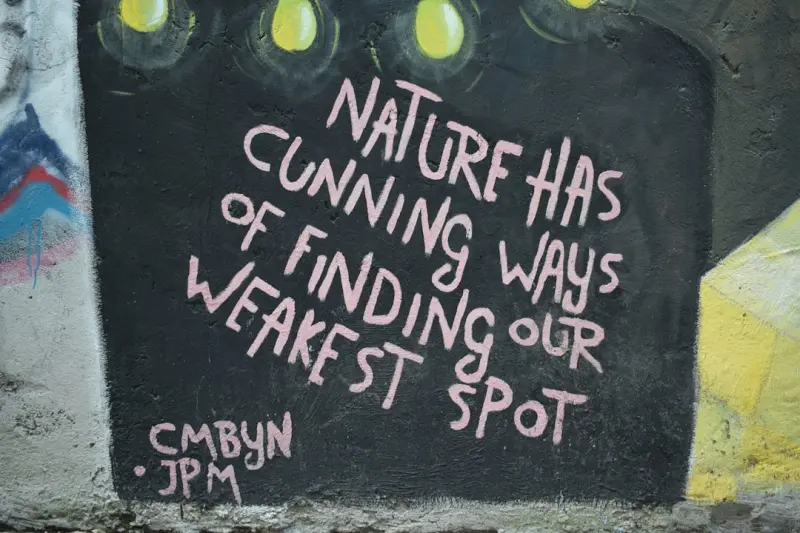
When I first boarded a cramped commuter train in Shanghai, I expected the usual blur of faces, the metallic clang of doors, and the sigh of exhausted riders. Instead, I felt an unexpected spark—a question about the rhythm of the city, the taste of the morning market air, the story hidden in the graffiti on the platform walls. That moment was the beginning of my personal experiment: treating every commute as a mini‑expedition. Over the past year, I’ve turned subway rides, bus routes, and even the daily walk to the office into a series of intentional, curiosity‑driven journeys. In this post, I’ll share the mindset, tools, and tiny rituals that transformed my routine travel into a source of inspiration, creativity, and deeper connection to place.
Why “Travel” Starts at Home
Travel is often framed as a grand escape: a flight to a tropical island, a hike through a remote mountain range, a weekend in a bustling metropolis. Those experiences are undeniably valuable, but they also create an “out‑of‑place” mindset—the idea that discovery only happens when you leave your familiar environment. By re‑positioning travel as a continuum that begins at your doorstep, you can:
- Reduce the mental barrier that separates “vacation” from “daily life.”
- Harvest inspiration from the unnoticed details of your own city.
- Build resilience by learning to find novelty even when circumstances limit long‑distance trips.
This approach aligns with the growing trend of “micro‑adventures,” but it goes a step further: it invites you to design each segment of your day as an intentional encounter, not just a passive passage.
1. Map Your Sensory Landscape
The first step is to become a tiny sensory shift explorer. Instead of focusing solely on visual landmarks, tune into sound, smell, texture, and taste. Here’s a simple method I use:
- Choose a “sense focus” for the day. One morning I dedicated myself to listening—paying attention to the cadence of train announcements, the hum of traffic, the rustle of newspaper pages.
- Record micro‑observations. I keep a pocket notebook (or a voice memo app) to capture fleeting moments: “the scent of fresh‑baked bao at platform 3” or “the rhythm of footsteps on the stone bridge.”
- Translate observations into a visual map. Using a simple sketch or a digital tool, I plot these sensory nodes onto a city map. Over time, the map becomes a layered tapestry of experiences.
This practice not only sharpens awareness but also creates a personal archive of the city’s evolving character—something you can revisit when you’re feeling stuck or uninspired.
2. Curate “Travel‑Lite” Packets
Traditional travel prep involves passports, itineraries, and luggage. For daily adventures, I’ve designed a minimalist “travel‑lite” kit that fits in a small crossbody bag:
- Compact notebook or digital note‑taking app – for quick sketches or thoughts.
- Reusable water bottle – staying hydrated is essential for alert senses.
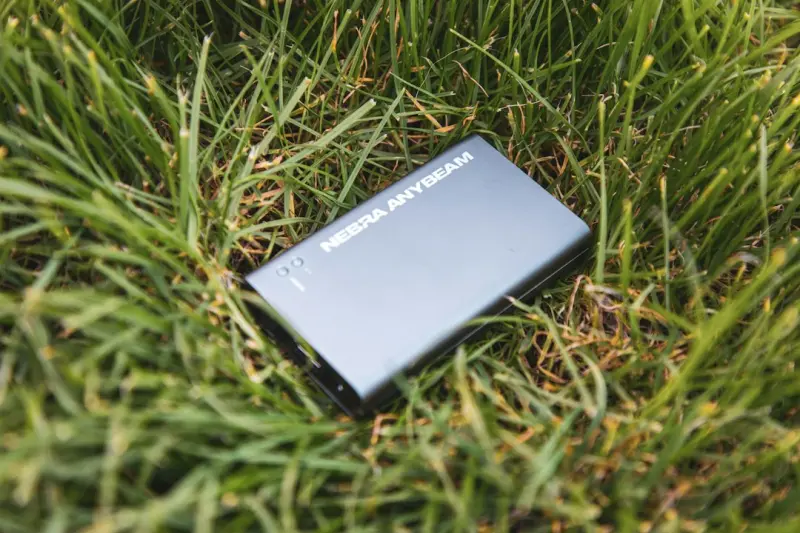
- Portable charger – ensures your phone (or voice recorder) stays alive.
- Miniature local snack – a piece of seasonal fruit or a local pastry can become a culinary waypoint.
These items are deliberately low‑commitment, allowing you to “travel” without the logistical drag of a full‑blown trip.
3. Leverage “Outdoor Oases” for Recharge
Every city hides pockets of nature that can serve as instant “rest stops.” I’ve started seeking out outdoor oases—small parks, rooftop gardens, even a quiet corner of a public library courtyard. When I feel the commuter fatigue setting in, I step into one of these green breaths, stretch, and let the natural ambience reset my nervous system.
Why does this work?
- Biophilic response. Our brains are wired to feel calmer in the presence of plants and natural light.
- Micro‑pause effect. A 5‑minute pause is enough to lower cortisol without breaking the flow of the day.
- Perspective shift. The contrast between concrete hustle and green stillness highlights the richness of urban diversity.
Make it a habit: every two hours, locate the nearest green spot and spend at least three minutes there. You’ll notice a measurable boost in focus and mood.
4. Turn Transit Time into a Learning Lab
Long commutes are often labeled as “wasted time.” I’ve flipped that narrative by turning each ride into a portable learning lab:
- Language micro‑lessons. Use language apps for 5‑minute drills that align with the neighborhoods you pass through—learn the local names for landmarks.
- Audio storytelling. Subscribe to short‑form podcasts that explore city histories or cultural anecdotes. Listening while you travel deepens your sense of place.
- Sketching practice. Sketch a quick silhouette of a passing bus or a street vendor. Over weeks, your drawings become a visual diary of urban rhythm.
The key is to keep the activities bite‑sized, so they complement rather than compete with the sensory immersion you’re already practicing.
5. Culinary Cartography: Mapping Flavor Trails
One of the most rewarding ways to make a routine commute feel like a genuine expedition is to follow a “flavor trail.” Each day, I select a local food stall, market, or tiny bakery located near my route, and make it a culinary checkpoint. Over a month, this creates a map of taste that mirrors the physical map of my city.
To deepen the experience, I integrate the concept of garden‑to‑table journeys. I seek out dishes that highlight locally sourced produce, seasonal herbs, or traditional preparation methods. This not only supports local vendors but also teaches me about regional agriculture and food heritage.
Here’s a quick template for building your own flavor trail:
- Identify a culinary niche. It could be dumplings, street‑grilled corn, or a specific tea house.
- Plot locations. Use a mapping app to mark each spot along your usual commute.
- Rate and record. After each bite, note flavor notes, ambience, and any story the vendor shares.
- Iterate. After a few weeks, rotate the niche or expand the radius to include neighboring districts.
The result is a personal guidebook that transforms ordinary travel routes into a gastronomic adventure.
6. Capture the Narrative, Not Just the Photo
In the age of Instagram, we’re tempted to reduce experiences to a single image. While a photo can be a beautiful reminder, it often strips away the layers of sound, scent, and emotion that made the moment special. I’ve started a practice I call “Narrative Snapshots”:
- Write a two‑sentence story. Capture the essence—e.g., “The vendor’s laugh rose above the clatter of pans as the steam curled like morning mist.”
- Pair with a sensory tag. Add a tag such as #smell, #sound, #texture.
- Store in a digital journal. Over time, these snippets become a rich archive you can revisit.
This method respects the depth of the experience and gives you a richer resource for future storytelling or even content creation for your own audience.
7. Build Community Through Shared Micro‑Journeys
Travel, at its core, is a social act. Even brief encounters can spark lasting connections. I’ve started a small online group of fellow “commute explorers.” We share our sensory maps, favorite food stalls, and even meet up at a designated “micro‑meetup” point once a month.
Why does this amplify the experience?
- Collective insight. Others notice details you might miss, enriching your own map.
- Motivation. Knowing a community is watching your updates encourages consistency.
- Shared narrative. You co‑create a story of the city that reflects many perspectives, not just one.
If you’re interested, start by posting a short “daily highlight” on a social platform using a unique hashtag—invite others to join the conversation.
8. Reflect and Iterate
Every traveler knows the value of reflection—whether it’s journaling after a trek or reviewing photos from a trip. Apply the same principle to your daily adventures:
- Weekly review. Spend 20 minutes revisiting your sensory map and narrative snapshots.
- Identify patterns. Which routes energize you? Which sensory focuses feel stale?
- Adjust your plan. Introduce new sense focuses, explore a different neighborhood, or swap a food checkpoint for a cultural venue.
This iterative loop keeps the experience fresh and prevents the routine from slipping back into monotony.
Putting It All Together: A Sample Day
Here’s a concrete example of how these elements can mesh into a single day:
- Morning commute (sense focus: sound). I board the subway, listening to the cadence of the doors and the murmur of commuters. I record a short audio note describing the “melodic clack” of the rails.
- First stop: rooftop garden (outdoor oasis). I spend five minutes breathing in the faint scent of jasmine, sketching the city skyline.
- Mid‑morning snack. I visit a street vendor two blocks away, trying a freshly steamed dumpling made with locally grown cabbage (a garden‑to‑table example).
- Learning lab. On the bus back, I listen to a 10‑minute podcast about the history of the district’s textile industry.
- Afternoon walk. I choose a different route home, focusing on texture—feeling the roughness of the old brick walls, the smoothness of a newly paved plaza.
- Evening reflection. Back at my desk, I add a narrative snapshot to my digital journal, tag it #sound, and update my sensory map with a new node.
This itinerary is flexible, low‑cost, and can be customized to any city or personal interest. The magic lies in the intentional framing of each moment as part of a larger travel narrative.
Final Thoughts: Travel as an Ongoing Mindset
When you start treating every commute, every stroll, and every lunch break as a miniature expedition, you unlock a wellspring of curiosity, creativity, and well‑being. The world becomes less a series of distant destinations and more a living, breathing tapestry that you can explore from the moment you step out of your front door.
So, next time you hear the train’s familiar roar or see the familiar coffee shop on the corner, ask yourself: What story is waiting here? What sense can I engage? How can I turn this ordinary moment into an extraordinary memory? The answer is yours to discover, one micro‑journey at a time.

Mei Chen is a dynamic professional who brings a unique blend of skills to Blogging Fusion. As a key contributor to the Blogging Fusion platform, she leverages her writing expertise to create engaging content that resonates with our audience.
Related Posts
The Hidden Power of Micro‑Moments: How Tiny Travel Experiences Supercharge Your Life
Discover how focusing on sensory, unexpected moments during travel can enhance creativity, empathy, ... Read More
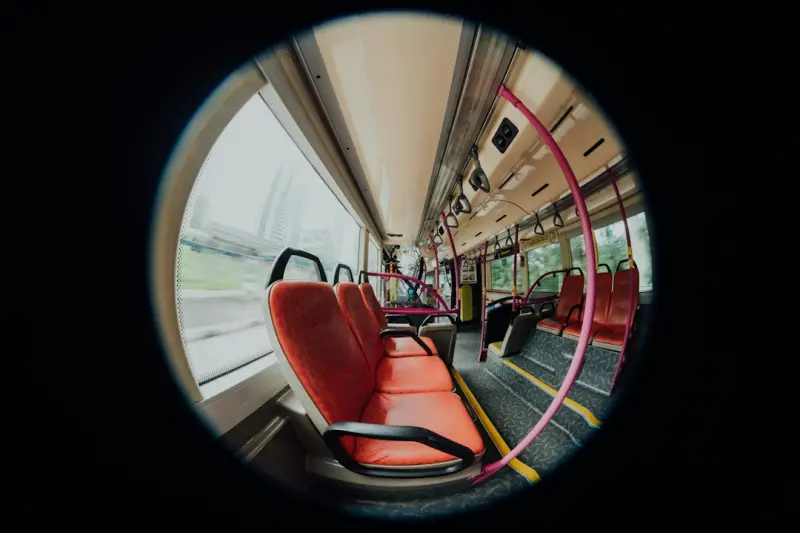
Turning Everyday Commutes into Micro‑Adventures
Learn to treat daily routes as micro‑adventures, using intentional pauses, a sensory backpack, and... Read More
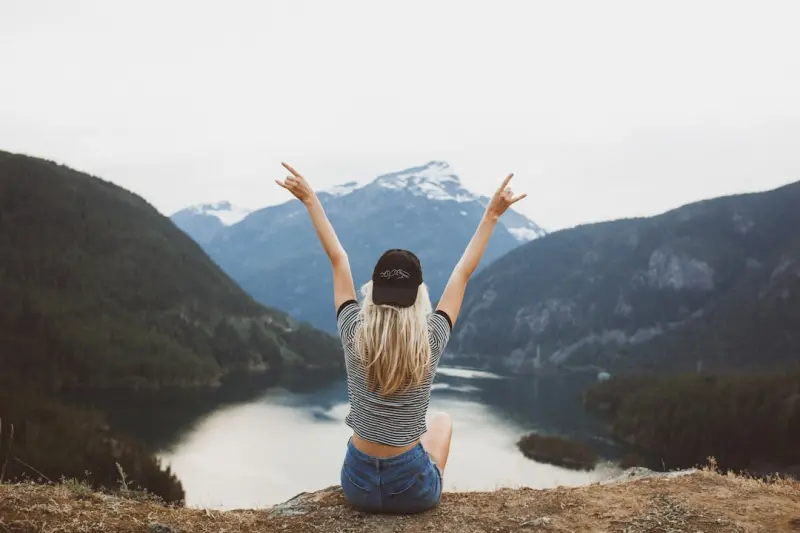
Turning Wanderlust into a Personal Growth Engine
Learn to reframe travel as a purposeful growth journey, using goal‑oriented planning, on‑the‑r... Read More
Top Posts
Sketching Your Way to Calm: How Workplace Doodling Boosts Mental Health
Explore how the low‑tech habit of doodling can reset the brain, boost dopamine, and foster a culture of mental resilience, with practical tips for integrating...Read More
Reverse Mentorship: A New Growth Engine for Employees
Reverse mentorship flips the traditional mentor‑mentee model, letting junior staff guide senior leaders. This article outlines why it matters, how to start, a...Read More

From Data Chaos to Insight: Building an AI‑Powered Personal Knowledge Graph
Learn how to turn digital clutter into a structured personal knowledge graph, leveraging AI to surface connections, prioritize insights, and boost productivity ...Read More

Why Role Fluidity Is the Next Competitive Edge for Companies
The post examines the rise of role fluidity, a strategic shift from fixed job descriptions to dynamic responsibility clusters, highlighting AI’s role, a realâ...Read More
0 Comments
Post Comment
You will need to Login or Register to comment on this post!