
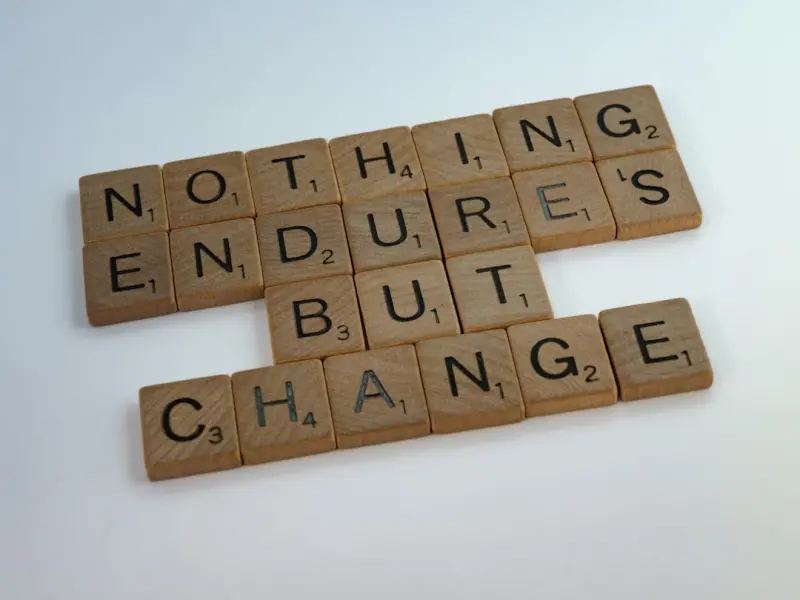
There’s a quiet thrill that bubbles up when a train platform, a roadside café, or a winding mountain pass nudges you off the itinerary you meticulously plotted weeks ago. The moment you surrender a little control, the travel experience morphs from a checklist of landmarks into a living story that writes itself around you. In this piece, I’ll explore why those unplanned detours matter, how they reshape our perception of place, and concrete ways you can invite serendipity into every trip.
The Hidden Science Behind Unplanned Paths
Neuroscientists have long known that novelty triggers dopamine release, the same neurotransmitter that fuels curiosity and learning. When you step outside a pre‑set route, your brain lights up, forming fresh connections that stick longer than the memories of a guided tour. This isn’t just a feel‑good anecdote; it’s a measurable boost in cognitive flexibility that can translate into heightened creativity once you return home.
Moreover, cultural psychologists point out that travelers who embrace ambiguity report deeper empathy toward locals. By letting the unknown dictate the pace, you’re forced to listen more, observe more, and react less from a place of expectation. The result is a richer, more nuanced understanding of the community you’re momentarily part of.
Mapping the Unmapped: Tools for Serendipity
While the spirit of a detour is inherently unstructured, a light framework can help you stay open without feeling lost. Below are three low‑effort tools that keep the door to surprise ajar:
- Dynamic “What‑If” Lists: Instead of a static itinerary, maintain a running list of “if‑this‑happens, then‑that” scenarios. For example, “If the market closes early, then explore the adjacent alley murals.” This keeps you ready to pivot.
- Local‑First Apps: Platforms that prioritize user‑generated tips over algorithmic popularity (think niche forums or city‑specific Discord channels) surface hidden gems that mainstream guides overlook.
- Analog Compass: A simple paper map with blank spaces encourages you to sketch routes as you go, turning the act of planning into an evolving art rather than a rigid schedule.
When you blend these tools with an open mindset, you create a safety net that catches you when you stray—without forcing you back onto the original path.
Stories From the Road: When Detours Became Defining Moments
In my own wandering, a few off‑beat moments stand out. In a small coastal town, a missed ferry left me stranded on a quiet pier. While waiting for the next boat, a group of fishermen invited me to help mend nets. By the time the tide turned, I’d learned a handful of local dialect, tasted freshly grilled sardines, and earned a story that still earns laughs at dinner parties.
Another time, a rainstorm forced a train to halt in an unfamiliar suburb. The station’s modest café turned out to be a pop‑up poetry reading. I spent an hour listening to verses about the city’s industrial past, an angle I never would have encountered on a glossy travel brochure. Those moments weren’t in any guidebook, yet they reshaped my perception of the place far more than any landmark ever could.
Integrating Detours Into Business Travel
Corporate travelers often feel pressure to stick strictly to meeting schedules, but the same principles apply. A short walk to a nearby park before a conference call can reset mental fatigue and improve focus. A lunch at a local eatery—rather than a chain—offers a glimpse into employee culture that can inform future collaborations.
Even if you’re on a tight timeline, a 15‑minute “window of wonder” can be built into the day. This isn’t about abandoning productivity; it’s about enriching the travel experience so you return with fresh insights that can feed back into strategy sessions.
Practical Tips to Invite Detours
Below are actionable steps you can embed into any travel plan, whether you’re jet‑setting across continents or taking a weekend road trip.
- Leave Gaps in Your Schedule: Block out 30‑45 minutes each day with no appointment. Use this time to wander, ask locals for recommendations, or simply sit and observe.
- Pack Light on Plans: Instead of booking every dinner in advance, choose a handful of must‑visit spots and leave the rest open. This reduces decision fatigue and encourages spontaneous discovery.
- Engage With Locals Directly: Ask shopkeepers, drivers, or even strangers what they love about their neighborhood. Their answers often point you toward places a guidebook would never mention.
- Leverage Community‑Driven Resources: Sites like digital wellness at home illustrate how community tips can replace corporate‑grade solutions, and the same principle works abroad. Look for city‑specific forums that share real‑time updates.
- Document, Don’t Curate: Keep a travel journal that captures the unexpected—the smell of a bakery you stumbled upon, a conversation about a local legend. Over time, these notes become a personal map of serendipity.
Balancing Structure and Surprise
It’s tempting to think you must choose between a well‑planned trip and an adventure of chance. In reality, the most memorable journeys blend the two. Think of your itinerary as a skeleton; the muscles, nerves, and skin are the spontaneous interactions that give it life. When you approach travel as a dynamic dialogue rather than a static checklist, each day feels like a conversation with the world.
If you’re curious about how to turn even the most mundane transit moments into growth opportunities, the piece turning transit time into growth offers a deeper dive. While it focuses on productivity, the underlying principle—using every pause as a chance to learn—aligns perfectly with the philosophy of unplanned detours.
Bringing the Journey Home
After you return, the lessons of a detour don’t have to fade. Reflect on the unexpected encounters and consider how they might inform your personal or professional life. Did a local chef’s improvisational approach to flavor inspire a new way of tackling a project? Did a spontaneous conversation about community values shift how you view corporate culture?
Integrating those insights can turn a single trip into a catalyst for ongoing growth, turning the world’s randomness into a resource you can tap into long after the luggage is unpacked.
Final Thoughts: The Power of the Unscripted
Travel isn’t just about ticking boxes; it’s about letting places change you in ways you never anticipated. By deliberately opening space for the unexpected—whether through a blank slot in your agenda, a conversation with a stranger, or a willingness to miss a train—you allow the journey to rewrite the script you thought you were following.
The next time you pack your bags, consider leaving a few pages of your itinerary empty. Those blank spaces are where the magic of detour lives, waiting to turn an ordinary trip into an unforgettable story.

Jim Pearse, a seasoned freelance writer, brings a wealth of knowledge and passion to the world of home and garden. From the intricacies of landscaping to the nuances of interior design, Jim delves into every aspect of creating comfortable, beautiful, and functional living spaces.
Related Posts

Beyond the Guidebook: Crafting Personal Narratives on the Road
Learn to transform every trip into a personal narrative by embracing minimalist packing, mindful mic... Read More

Turning Layovers Into Mini‑Adventures: A New Travel Playbook
Learn to transform ordinary layovers into intentional mini‑adventures that sharpen adaptability, d... Read More

Beyond the Checklist: Crafting Personal Narrative Journeys
Travel isn’t just about ticking boxes; it’s about weaving personal narratives. Discover a stepâ€... Read More
Top Posts

How Outdoor Workspaces Are Shaping the Modern Employee Experience
Explore how shifting your workspace to the garden can skyrocket productivity, enhance well‑being, and align with emerging employment trends—turn nature into...Read More

Vertical Gardens: Maximizing Space and Style in Small Homes
Learn to turn walls into thriving vertical gardens, blending design, sustainability, and budget‑friendly DIY tricks for compact living spaces....Read More

Garden Desks: How My Outdoor Workspace Became the Hottest Home & Garden Trend of 2024
Jimmy Damon shares his personal journey building a garden desk, revealing how this outdoor workspace boosts health, sustainability, and productivity—making it...Read More

The Art of Unplugged Adventures: Reclaiming Travel in a Hyper‑Connected World
Lauren Miller shares her personal journey of traveling without a smartphone, offering practical steps to craft offline adventures that enhance creativity, deepe...Read More
0 Comments
Post Comment
You will need to Login or Register to comment on this post!