
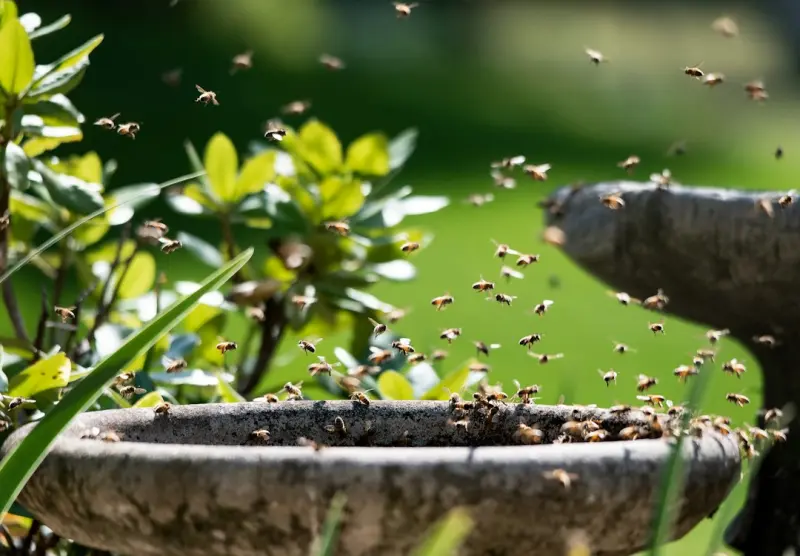
When I first inherited my grandmother’s modest backyard, I saw more than cracked pavers and a sagging fence. I saw a stage waiting for an audience of buzzing pollinators, a canvas ready for a splash of color, and a story that could be told through the very holes and tunnels I was about to carve into reclaimed wood. Over the years, I’ve turned that overlooked patch of earth into a thriving sanctuary for bees, butterflies, and even the occasional curious sparrow. In this post, I’ll walk you through the step‑by‑step process of building a backyard pollinator hotel, why it matters for urban ecosystems, and how you can weave it into the broader narrative of a sustainable, joyful home.
Why a Pollinator Hotel Belongs in Every Garden
Pollinators are the unsung heroes of our food system. According to recent studies, a third of the food we eat relies on animal pollination. Yet, the habitats that sustain them are vanishing at an alarming rate due to urban expansion, pesticide use, and climate change. A pollinator hotel—essentially a stack of nesting tubes and cavities—offers a safe haven for solitary bees, mason wasps, and ladybugs. These insects are the “solo artists” of pollination, each working independently but collectively delivering massive ecological benefits.
Beyond the environmental upside, a well‑designed hotel becomes a living classroom. Children can watch larvae emerge, neighbors can admire the fluttering visitors, and you get a tangible reminder of the interconnectedness of your garden’s micro‑ecosystem. In short, it’s a low‑maintenance, high‑impact addition that turns any outdoor space into a biodiversity hotspot.
Planning Your Hotel: Site Selection & Materials
Location is everything. Aim for a sunny spot that receives at least six hours of direct light each day. The site should be sheltered from strong winds—think a corner of a fence or a pergola—yet still open enough to attract foraging insects. Position the hotel about three to five feet off the ground to deter ground‑based predators while keeping it accessible for maintenance.
When it comes to materials, think sustainably and locally. Reclaimed wood, bamboo stalks, and untreated pine are excellent choices. Avoid painted or chemically treated wood, as toxins can leach into the nesting tubes. You’ll also need a variety of hole diameters (2mm–10mm) and lengths (10cm–30cm) to cater to different species. If you’re short on natural resources, unlock hidden storage ideas can inspire clever ways to repurpose old furniture or garden tools as nesting substrates.
Step‑by‑Step Construction Guide
- Gather Your Materials: reclaimed hardwood planks, bamboo culms, hollow reeds, rolled cardboard tubes (e.g., from paper towels), and a sturdy base like a wooden pallet.
- Cut and Drill: Using a drill with a variety of bits, create holes of differing diameters in the planks. Space the holes at least 2 cm apart to prevent the insects from bumping into each other.
- Assemble the Layers: Stack the drilled planks, bamboo stalks, and tubes in alternating layers, securing each with non‑corrosive screws or brackets. The idea is to mimic a natural log filled with cavities of various sizes.
- Secure the Base: Attach the assembled structure to a pallet or a sturdy wooden frame. Ensure it’s level to avoid water pooling.
- Weatherproofing (Optional): A thin coat of natural linseed oil can help protect the wood from rain without introducing harmful chemicals.
- Mount the Hotel: Fix the completed hotel to your chosen site using brackets or a simple leaning method. Make sure it’s stable enough to withstand occasional gusts.
Integrating Technology Without Overcomplicating
While the charm of a pollinator hotel lies in its rustic simplicity, a touch of modern tech can enhance its effectiveness. For instance, smart scheduling for a seamless home can be leveraged to automate gentle misting during hot spells, ensuring the nesting tubes don’t dry out. Simple humidity sensors paired with a low‑power water pump can keep the interior environment within the optimal range (40‑60% relative humidity) for brood development.
These integrations are optional, not mandatory. The goal is to let nature do its work while you use tech as a supportive hand rather than a crutch.
Seasonal Care and Maintenance
Pollinator hotels are not “set it and forget it” installations. They require occasional inspection and cleaning to keep parasites at bay and to ensure that the cavities remain hospitable.
- Spring Check: After the first frost, gently shake the hotel to dislodge any overwintering insects that may have perished. Replace any damaged tubes.
- Summer Observation: Watch for activity. You’ll see bees and wasps entering and exiting the tubes. If you notice mold, replace the affected material.
- Autumn Prep: As the season wanes, clean out debris and consider adding fresh tubes for the next generation.
Regular maintenance also gives you an opportunity to document the species visiting your garden—a delightful citizen‑science project that can be shared with local environmental groups.
Design Tips to Blend the Hotel with Your Garden Aesthetic
Because a pollinator hotel can be a visual focal point, you might want it to complement your garden’s design language. Here are a few ideas:
- Vertical Gardens: Mount the hotel on a trellis alongside climbing vines like sweet peas or clematis. The greenery will soften the wooden structure and provide additional nectar sources.
- Rustic Charm: Use reclaimed barn wood and incorporate a weathered metal sign that reads “Bee Haven.” Pair with a low, stone pathway leading up to it.
- Modern Minimalism: Opt for sleek, uniform bamboo stalks and a floating wall mount. Keep the color palette neutral to let the insects be the star.
Beyond the Hotel: Complementary Habitat Enhancements
While the hotel itself is a significant boon, consider adding a few supporting elements to create a holistic pollinator-friendly ecosystem:
- Native Flower Beds: Plant species like lavender, echinacea, and coneflower that bloom at different times, providing continuous food sources.
- Water Sources: A shallow birdbath with stones offers a safe drinking spot for insects.
- Mulch & Soil Health: Use organic mulch to retain moisture and foster a healthy soil microbiome, indirectly benefiting pollinators.
Measuring Success: Simple Metrics
If you enjoy data‑driven gardening, you can track the impact of your pollinator hotel with a few straightforward metrics:
- Visit Frequency: Count the number of insects entering/exiting per hour during peak activity.
- Species Diversity: Identify and log the different species you observe.
- Garden Yield: Compare the fruit or vegetable harvest before and after installing the hotel, noting any increase in pollination rates.
These observations can be as informal as a notebook entry or as structured as a spreadsheet—your choice, but the act of tracking reinforces the connection between your actions and the garden’s health.
Common Misconceptions and How to Avoid Them
Myth 1: “Bees will crowd the hotel and become aggressive.” Solitary bees are non‑aggressive by nature. They don’t form large colonies, so you won’t experience swarms.
Myth 2: “All cavities are equally good.” Different species prefer specific hole sizes and lengths. Offering a range maximizes the diversity of occupants.
Myty 3: “I need to replace the hotel every year.” With proper maintenance, a well‑built hotel can last several seasons. Periodic replacement of tubes keeps the environment fresh.
Putting It All Together: A Narrative for Your Home
Imagine stepping onto your patio in early summer, a gentle breeze carrying the hum of bees. You glance at the polished wooden structure you built with your own hands, now teeming with life. Children chase after butterflies, friends pause to admire the intricate architecture, and you feel a quiet pride knowing that a small corner of your property contributes to global food security.
That’s the power of a pollinator hotel—a modest, affordable project that bridges the gap between personal enjoyment and planetary stewardship. It’s an embodiment of the idea that every backyard, no matter how modest, can be a catalyst for ecological resilience.
Ready to get started? Gather your reclaimed materials, sketch a design that fits your garden’s aesthetic, and let the buzzing begin. And remember, the journey doesn’t end with the hotel’s completion; it evolves with each season, each visitor, and each small tweak you make to nurture the living community you’ve invited in.

Paul Flynn is a versatile freelance writer equipped with a diverse skillset and a portfolio that reflects his wide-ranging interests and expertise. From crafting compelling website copy and engaging blog posts to delivering in-depth articles and meticulously researched reports, Flynn demonstrates a remarkable ability to adapt his writing style to suit various audiences and purposes.
Related Posts
Cultivating a Backyard Wildlife Oasis: Simple Steps for Every Homeowner
Discover a step‑by‑step guide to transforming a modest backyard into a vibrant wildlife oasis, u... Read More
Cultivating Calm: How a Small Home Garden Transforms Everyday Life
A tiny garden can reshape your home life—learn to harness micro‑climates, seasonal rotation, and... Read More

Designing a Rain Garden: Beauty, Function, and Climate Resilience
Discover the art and science of rain gardens—turn stormwater into a thriving oasis that enhances b... Read More
Top Posts

Structured Reflection: The Quiet Powerhouse for Workplace Mental Resilience
Discover how a brief, guided reflection habit can reduce stress, improve focus, and foster a resilient workplace culture, supported by peer networks and ethical...Read More

Beyond Automation: How AI is Crafting Adaptive User Experiences in Enterprise SaaS
Adaptive AI transforms static SaaS tools into responsive teammates, learning from real‑time user signals to personalize dashboards, forms, and navigation—de...Read More

When AI Becomes Your Personal Decision Coach
A decision‑coach AI pairs data aggregation, predictive modeling, and human feedback to turn overload into opportunity, offering transparent, ethical support f...Read More

Distributed Leadership: Empower Employees to Own Their Impact
Traditional hierarchies stall innovation. This post reveals how distributed leadership—clear purpose, transparent data, and peer accountability—lets employe...Read More
0 Comments
Post Comment
You will need to Login or Register to comment on this post!