
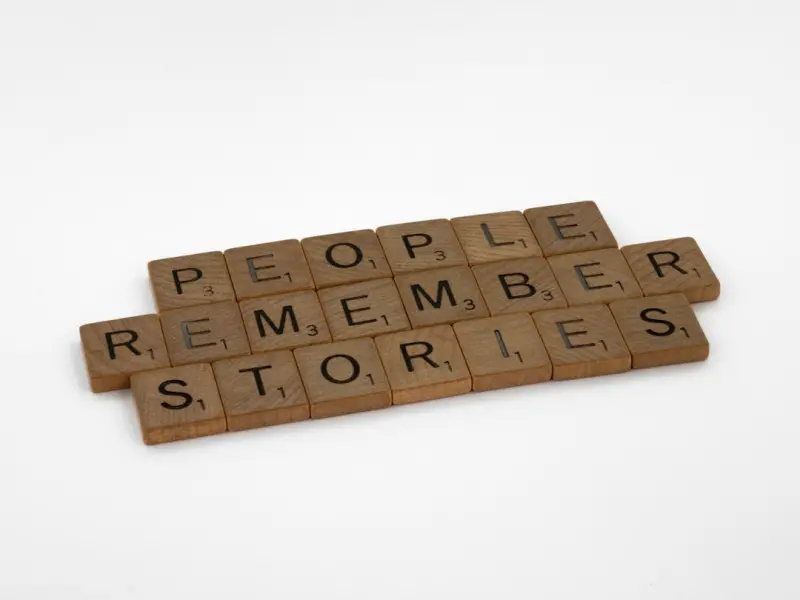
In the hustle of modern work life, we often hear about meditation apps, ergonomic chairs, and “quiet frequencies” that claim to boost well‑being. Yet there’s an even more primal tool tucked inside every human mind—a story. The narratives we tell ourselves about who we are, what we’ve endured, and where we’re headed wield a quiet but profound influence on our mental health. This piece explores how intentional storytelling can become a cognitive reset button, helping professionals navigate stress, build emotional agility, and reclaim a sense of agency.
The Brain’s Story Engine
Neuroscience tells us that the brain is wired for narrative. When we construct a story, the prefrontal cortex, hippocampus, and amygdala light up in a coordinated dance. The prefrontal cortex helps us organize events, the hippocampus encodes the memory, and the amygdala tags the emotional weight. By deliberately shaping the storyline of our experiences, we can rewire these pathways, shifting the brain’s default response from threat‑focused to opportunity‑focused.
Research on semantic memory shows that when we reinterpret a past event—say, a missed deadline—not as a personal failure but as a learning checkpoint, the associated stress response diminishes. This phenomenon, known as cognitive reappraisal, is a cornerstone of many therapeutic approaches, yet it often feels abstract until we give it a concrete, everyday practice.
From Abstract Theory to Daily Practice
Below are three practical narrative habits that can be woven into the fabric of a busy professional’s day, each designed to tap into the brain’s storytelling circuitry without demanding a mountain of extra time.
- Micro‑Journaling with a Twist. Instead of a generic “what happened today?” entry, frame each note as a mini‑story with a beginning, conflict, and resolution. For example: “I started the morning with a clear agenda (beginning), the client call turned tense when the scope shifted (conflict), I clarified expectations and secured a follow‑up meeting (resolution).” This structure forces you to locate the resolution, reinforcing a sense of control.
- Future‑Self Letter. Once a week, write a short letter from your future self—six months ahead—addressing current challenges. Ask the future you how they overcame a current obstacle, what habits they cultivated, and what advice they’d give. This exercise externalizes your internal dialogue and creates a mental roadmap that the brain can reference when stress spikes.
- Shared Narrative Sessions. In team meetings, allocate five minutes for a “story swap.” Invite a colleague to share a recent work experience as a story, focusing on the turning point and takeaway. This not only normalizes vulnerability but also builds collective resilience, as the group collectively re‑frames stressors into shared learning moments.
These habits are low‑friction, yet they exploit the brain’s natural preference for story, turning ordinary reflection into a potent mental health lever.
Digital Nature: A New Narrative Landscape
While the physical environment influences mood—think of the calm that a green office plant can bring—digital environments are now catching up. Virtual reality (VR) and augmented reality (AR) platforms are offering immersive “nature narratives” that transport users to tranquil forests, ocean cliffs, or moonlit deserts. The key is not just the visual spectacle; it’s the story woven into the experience.
Imagine a VR session where you’re guided through a mountain trail, each step accompanied by a narrative voice that mirrors your own internal monologue: “You’ve reached a steep climb, but each breath steadies your stride. The view ahead promises clarity.” Studies show that such guided narratives can reduce cortisol levels by up to 30% compared to passive nature videos.
If you’re curious about how sound can shape focus, you might learn how ambient sound shapes focus and see parallels with the auditory cues used in these digital nature journeys.
Embedding Narrative Practices into Organizational Culture
For a company that wants to champion mental health, narrative practices can become part of the cultural DNA, not just an optional wellness perk.
- Story‑Centric Onboarding. Replace the standard checklist with a narrative welcome: new hires share a brief story about a personal passion and how it aligns with the company’s mission. This sets a tone that values personal narratives from day one.
- Quarterly “Resilience Retrospectives”. Instead of a typical performance review, conduct sessions where employees recount a challenge from the past quarter, the narrative arc they followed, and the insights gained. This reframes setbacks as stories of growth.
- Leadership Narrative Modeling. Executives can model the practice by publicly sharing their own story of a tough decision, the doubts they faced, and how they arrived at a solution. This demystifies vulnerability and encourages a culture where mental health is openly discussed.
When you discover how frontline insights drive growth, you’ll notice that the same storytelling principles that fuel innovation can also reinforce psychological safety. Teams that regularly share narratives develop a shared language for challenges, making it easier to identify patterns and intervene early.
Measuring Narrative Impact: Data‑Driven Well‑Being
One obstacle to adopting any new mental health practice is the lack of tangible metrics. Fortunately, narrative interventions lend themselves to both qualitative and quantitative assessment.
- Self‑Report Scales. After a micro‑journaling week, ask participants to rate perceived stress on a 0‑10 scale. Compare against a baseline week without journaling to capture immediate shifts.
- Physiological Markers. For teams using VR nature narratives, integrate wearable devices that track heart rate variability (HRV). A rise in HRV during and after sessions signals a parasympathetic response, indicating relaxation.
- Engagement Analytics. Monitor participation rates in shared narrative sessions. High attendance correlates with increased psychological safety scores in employee surveys.
These data points can be compiled into a “Narrative Resilience Dashboard” that executives review quarterly, linking mental health outcomes directly to performance indicators such as productivity, turnover, and innovation rates.
Common Pitfalls and How to Sidestep Them
Even the best‑intentioned narrative practices can falter if not implemented mindfully. Here are three traps to watch out for:
- Over‑Scripted Stories. If employees feel forced to produce “perfect” narratives, the exercise becomes performative. Encourage authenticity; incomplete or messy stories are often the most powerful.
- One‑Size‑Fits‑All Formats. Different personalities gravitate toward different storytelling mediums—some prefer writing, others spoken word, or even visual sketches. Offer multiple avenues for narrative expression.
- Neglecting Follow‑Through. A story without action is just a tale. Pair each narrative exercise with a concrete next step—whether it’s setting a micro‑goal, seeking a mentor, or scheduling a check‑in.
Integrating Narrative Tools with Existing Mental Health Resources
If your organization already offers an employee assistance program (EAP) or mindfulness app, narrative practices can enhance these services. For instance, an EAP counselor could incorporate story‑reframing techniques into sessions, while a meditation app could introduce “story‑guided” visualizations that blend traditional breathwork with a narrative arc.
Even the popular mental health toolkit highlighted in a practical guide for mental resilience can be expanded to include a “Narrative Module.” This module would provide templates for micro‑journaling, future‑self letters, and group storytelling prompts, creating a seamless bridge between existing resources and the new narrative approach.
Looking Ahead: The Future of Narrative‑Driven Well‑Being
As artificial intelligence continues to mature, we’re on the brink of AI‑powered narrative coaches. Imagine a digital companion that listens to your daily micro‑journal, identifies recurring themes, and suggests reframes tailored to your personality. Such tools could democratize access to personalized mental health support, scaling the benefits of narrative practice across entire workforces.
Until those AI narrators become mainstream, the power to reshape your mental landscape remains in your hands—through the stories you choose to tell yourself and the stories you share with others.
By treating narrative as a deliberate mental health practice, you not only harness a brain‑native mechanism for resilience but also foster a culture where vulnerability is celebrated, not stigmatized. The result? A workforce that feels heard, understood, and equipped to turn stress into story—and story into strength.

Ryan Stuart is a seasoned freelance features writer, editor, and professional photographer with a passion for exploring the world and capturing its beauty through words and images.
Related Posts

Curiosity as a Mental‑Health Superpower: Harnessing Wonder for Everyday Resilience
Explore how cultivating curiosity can become a daily mental‑health practice, turning stress into d... Read More
Sketching Your Way to Calm: How Workplace Doodling Boosts Mental Health
Explore how the low‑tech habit of doodling can reset the brain, boost dopamine, and foster a cultu... Read More
The Art of Mental Maintenance: Routine Check‑Ins Over Crisis Mode
A practical guide to shifting from reactive crisis management to proactive mental maintenance, using... Read More
Top Posts
The Unwritten Rules That Turn an Ordinary Job into a Career Magnet
Learn how to craft a personal narrative, negotiate pay with facts, and build internal networks that make you the go‑to professional in any organization....Read More
Cultivating Mental Hygiene: A Daily Routine for Clearer Thinking
Discover a practical mental hygiene routine—quick sweeps, brain dumps, and micro‑pauses—that helps clear mental clutter, enhance focus, and foster emotion...Read More

Pet‑Friendly Home Design: Style Meets Function
Discover how to create a beautiful, functional home that accommodates pets without sacrificing style, featuring flooring, furniture, storage, safety zones, and ...Read More

Designing a Sound‑Smart Sanctuary for Home Focus and Calm
Discover practical, low‑cost ways to improve your home’s sound environment—from rugs and plants to strategic quiet zones—so you can boost productivity, ...Read More
0 Comments
Post Comment
You will need to Login or Register to comment on this post!