

Imagine stepping out of a brisk shower, the chill still tingling on your skin, and then deliberately inhaling a deep, controlled breath that feels like it pulls the very air into a calm center. That juxtaposition—cold water’s shock and breathwork’s soothing rhythm—creates a powerful physiological reset. It’s a practice that’s been quietly gaining momentum among elite athletes, biohackers, and increasingly, busy professionals who crave a resilient body and mind without the need for pricey gadgets or endless supplements.
The Science Behind the Chill
Cold water immersion (CWI) isn’t just a trendy Instagram challenge; it’s a scientifically backed method for stimulating the body’s natural defense mechanisms. When you submerge yourself in water that’s under 60°F (15°C), your sympathetic nervous system fires up, releasing a surge of norepinephrine. This hormone sharpens focus, reduces inflammation, and even boosts mood by triggering the release of endorphins.
But the magic doesn’t stop at the skin. The cold shock also activates brown adipose tissue (BAT), the “good” fat that burns calories to generate heat. This metabolic kick‑start can improve insulin sensitivity, support weight management, and enhance overall energy expenditure—benefits that align perfectly with a modern wellness agenda that values efficiency and longevity.
Breathwork: The Counterbalance
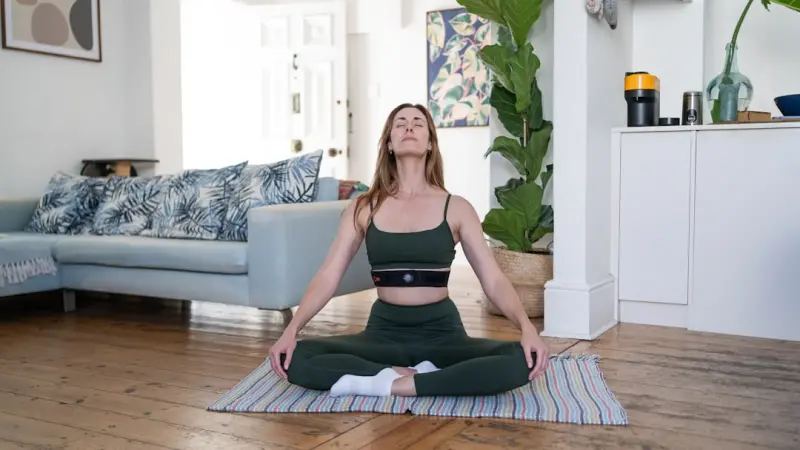
While the cold initiates a high‑alert state, intentional breathwork, especially techniques like the Wim Hof Method or box breathing, gently guides the parasympathetic nervous system back into a state of calm. By controlling the inhale‑exhale cycle, you can lower heart rate, reduce cortisol, and create a sense of mental clarity that feels almost meditative.
In practice, the sequence works like this:
- Cold exposure: 30‑90 seconds of immersion, feeling the initial gasp and the tightening of muscles.
- Focused breathing: Immediately transition to 4‑4‑4‑4 box breathing (four seconds inhale, hold, exhale, hold) for at least two minutes.
- Reflection: Notice the shift from the sharp alertness of the cold to the expansive calm of controlled breath.
This pairing creates a neurochemical dance where the body learns to ride the wave of stress and return to equilibrium faster—a skill that translates directly to workplace pressure, family demands, and the endless barrage of notifications we all juggle.
Why It Works Better Than “Just One”
Most wellness trends focus on a single modality—whether it’s a daily meditation app, a new superfood, or a high‑intensity interval workout. The problem is that they often address either the nervous system’s “fight‑or‑flight” side or its “rest‑and‑digest” side, but not both. The dual approach of CWI plus breathwork teaches the nervous system to fluidly shift between these states, building what researchers call autonomic flexibility. This flexibility is a stronger predictor of resilience than any single health metric.
In fact, a recent study published in the Journal of Applied Physiology found that participants who combined cold exposure with structured breathing exercises showed a 27% greater reduction in perceived stress after four weeks compared to those who only practiced one of the techniques. The synergy is real, and it’s rooted in the body’s innate ability to adapt when presented with contrasting stimuli.
Getting Started: A No‑Excuse Blueprint
Below is a beginner‑friendly routine that you can slip into a morning schedule, a post‑work wind‑down, or even a quick lunchtime reset. No fancy equipment—just a bathtub, a shower, or a sturdy bucket.
- Preparation: Fill a bathtub with cold water (aim for 50‑55°F). If you’re using a shower, turn the tap to its coldest setting and let the water run for a minute to acclimate.
- Mindful Entry: Before stepping in, take three deep breaths, inhaling through the nose, exhaling through the mouth. Acknowledge any hesitation—this is the mental component of the practice.
- Immersion: Submerge yourself up to the neck for 30 seconds. If you’re new, start with 15 seconds and gradually increase.
- Immediate Breathwork: Exit the water and immediately sit upright. Begin the 4‑4‑4‑4 box breathing pattern for two minutes. Feel the contrast between the cold-induced tension and the breath‑induced release.
- Grounding: Finish with a quick gratitude note—write down one thing you appreciate about how your body responded.
Consistency is key. Aim for three sessions a week, and watch as your baseline stress levels begin to drop, your sleep improves, and your mental clarity sharpens.
Integrating the Practice Into a Busy Lifestyle
One of the biggest barriers to adopting any health habit is time. The beauty of this dual practice is its scalability. If you have only five minutes, you can do a quick cold splash on your face followed by a 30‑second breathing cycle. If you have a full hour, you might combine a longer soak with a guided meditation that deepens the breathwork.
For those who love to blend routines, consider pairing this practice with other health‑focused habits you already enjoy. For example, after a micro‑movement break at your desk, step into a cool shower and follow up with breathwork. The transition from movement to cold to breath creates a mini‑circuit that keeps energy flowing throughout the day.
Potential Pitfalls and How to Avoid Them
Like any potent tool, CWI plus breathwork requires mindful execution. Here are common mistakes and corrective tips:
- Over‑exposure: Staying in cold water too long can lead to hypothermia. Start small and listen to your body’s signals.
- Shallow breathing: When the cold shock hits, it’s natural to take rapid, shallow breaths. Consciously slow the breath—this is where the practice builds resilience.
- Neglecting warm‑up: If you’re coming from intense exercise, give your muscles a brief warm‑up before the cold plunge to avoid muscle tightness.
- Ignoring contraindications: People with cardiovascular issues, Raynaud’s disease, or certain skin conditions should consult a healthcare professional before beginning.
Real‑World Stories: From the Frontlines of Wellness
To illustrate the impact, here are two quick anecdotes from people who integrated the practice into their routines:
Emily, a startup founder: “I was juggling investor meetings, product sprints, and a growing team. My stress was off the charts. After a month of three weekly sessions, my mornings felt clearer, and I could pivot between tasks without the usual anxiety spike.”
James, a high‑school teacher: “I used to end each day feeling drained. Adding a five‑minute cold splash followed by a brief breathing session before bedtime helped me unwind faster and improved my sleep quality.”
Linking to the Bigger Wellness Ecosystem
While cold water immersion and breathwork stand strong on their own, they also complement other health practices that focus on sensory engagement and mental reset. For instance, the concept of productive daydreaming highlights how brief mental wanderings can boost creativity and problem‑solving. Pairing a cold‑breath routine with a few minutes of intentional daydreaming later in the day can create a layered mental fitness regimen that fuels both clarity and imagination.
Similarly, short, intentional nature breaks—what some call micro‑outdoor moments—can amplify the benefits of CWI by grounding you in natural rhythms. A quick walk after a cold session lets the body cool down gradually while the fresh air supports oxygen uptake, reinforcing the breathwork’s calming effect.
Future Trends: Where This Practice Is Headed
Health innovators are already experimenting with integrating cold exposure chambers into office spaces, allowing employees to step into a controlled cool pod for a minute between meetings. Coupled with guided breathwork via headphones, the concept promises to democratize the practice, making it accessible even in high‑density work environments.
Wearable tech is also evolving. Smart watches are beginning to detect skin temperature changes and can prompt you with a gentle reminder: “Time for a cold‑breath reset?” This convergence of data‑driven nudges with ancient physiological triggers hints at a future where resilience training is as routine as checking email.
Wrapping Up: A Simple Yet Profound Shift
In an age where wellness often feels like an endless checklist, the combination of cold water immersion and intentional breathwork offers a concise, evidence‑backed approach that delivers outsized results. It teaches the nervous system to dance between stress and calm, builds metabolic efficiency, and sharpens mental focus—all in a matter of minutes.
If you’re ready to add a powerful, low‑cost tool to your health arsenal, give this dual practice a try. Start small, stay consistent, and notice how your body and mind begin to respond with greater ease. In the grand tapestry of modern health, sometimes the most effective threads are the simplest ones.

Steph Sanderson is a Toronto-based freelance writer and content creator with a clear passion: crafting compelling articles. With a dedication to clear, engaging prose and a knack for storytelling, Steph brings a wealth of experience to every project.
Related Posts
Why Your Breath Holds the Key to Everyday Vitality
A practical guide to harnessing breathwork for stress reduction, better sleep, and daily vitality, f... Read More
Harnessing Breath: How Wearable Biofeedback Can Rewire Your Stress Response
Learn how wearable biofeedback transforms ordinary breathing into a powerful tool for stress reducti... Read More

Chrononutrition: Syncing Your Meals with Your Body Clock for Peak Performance
Chrononutrition teaches you to eat when your body is most ready to process food, aligning meals with... Read More
Top Posts

How an Internal Personal Brand Can Future‑Proof Your Career
Learn why cultivating an internal personal brand is the modern shortcut to career growth, and get a step‑by‑step guide to make yourself indispensable at wor...Read More

DIY Rainwater Harvesting: Turn Every Drop into Garden Gold
Discover a step‑by‑step guide to creating a DIY rainwater harvesting system, from roof assessment to smart automation, and transform every storm into garden...Read More

Micro‑Moment Mindfulness: Tiny Pauses for Big Mental Resilience
Discover the power of micro‑moment mindfulness—brief, intentional pauses that reset your brain, reduce stress, and enhance performance—tailored for highâ€...Read More

AI as Your Everyday Decision Engine
Explore the rise of AI decision engines that subtly influence everyday choices, from budgeting to creative projects, while maintaining transparency and user con...Read More
0 Comments
Post Comment
You will need to Login or Register to comment on this post!