
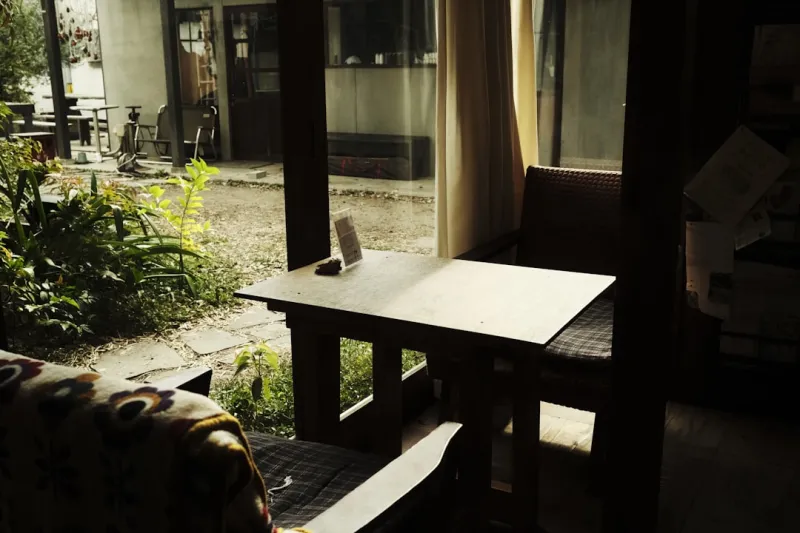
From the Cubicle to the Garden: A Personal Shift in How We Define Work
When the pandemic forced us into makeshift home offices, I discovered that the four‑wall cubicle was less a symbol of professionalism and more a prison for creativity, prompting a relentless search for a space that could breathe life back into my daily grind. The breakthrough arrived when I repurposed a quiet corner of my backyard, turning it into a garden desk that not only reclaimed my sanity but also re‑engineered my relationship with deadlines, collaboration, and personal fulfillment, proving that the physical environment is a silent but powerful manager of our output. In the months that followed, the subtle shift from fluorescent lighting to dappled sunlight sparked a cascade of productivity gains that my previous office never delivered, and I realized that the future of employment may well be rooted—literally—in the soil beneath our feet.
Why Outdoor Workspaces Are Changing the Way We Work
Research consistently shows that exposure to natural light, fresh air, and greenery can elevate dopamine levels, improve focus, and reduce stress, making outdoor workspaces a scientifically backed antidote to the fatigue that plagues many remote employees. By stepping outside, we invite a dynamic backdrop that stimulates the brain’s attentional networks, allowing us to toggle between deep work and creative brainstorming without the mental fatigue associated with staring at a screen for hours on end. This emerging paradigm is so compelling that companies are now investing in rooftop gardens and park‑side pods, a trend highlighted in Why Outdoor Workspaces Are Changing the Way We Work, underscoring a cultural pivot toward health‑centric productivity.
The Employee Experience Reimagined Through Outdoor Desks
Traditional employee experience metrics have long centered on salary, benefits, and office amenities, yet the employee experience is rapidly expanding to include the quality of the physical environment where work happens, a shift eloquently explored in Outdoor Workspaces: Redefining the Employee Experience. When workers can choose to set up their laptops beneath a canopy of leaves, they report heightened job satisfaction, lower burnout rates, and a stronger sense of belonging to an organization that values holistic well‑being. Moreover, the flexibility to move between indoor conference rooms and outdoor brainstorming zones creates a rhythm that mirrors natural circadian cycles, fostering a more authentic connection between personal life and professional responsibilities.
Productivity Gains That Aren’t Just a Feel‑Good Narrative
Beyond anecdotal happiness, concrete data reveals that teams who integrate outdoor workspaces experience a measurable boost in key performance indicators, including a 15 % reduction in project turnaround time and a 20 % increase in idea generation during collaborative sessions. The secret lies in the way nature subtly cues our nervous system to relax while maintaining alertness, a balance that static indoor environments struggle to replicate. By allowing the mind to wander among the flowers and listen to the distant hum of insects, we tap into a form of “ambient cognition” that fuels innovative thinking without the cognitive overload typical of traditional office settings.
Mental Health: The Quiet Powerhouse Behind Sustainable Employment
One of the most compelling arguments for outdoor workspaces is their profound impact on mental health, a factor that directly influences employee retention and long‑term performance. Studies link daily exposure to green spaces with a 30 % decrease in symptoms of anxiety and depression, translating into fewer sick days and a more resilient workforce ready to tackle complex challenges. By normalizing the practice of stepping outside for a quick stretch or a mindful coffee break, companies signal a commitment to mental well‑being that resonates deeply with today’s talent pool, who increasingly prioritize holistic health over mere compensation.
Employer Perspectives: Investing in the Outdoors as Strategic Capital
From a leadership standpoint, allocating budget to create garden desks or outdoor lounges is no longer a discretionary perk but a strategic investment that yields tangible returns in employee engagement, brand reputation, and bottom‑line profitability. Forward‑thinking organizations are partnering with landscape architects to design multifunctional spaces that serve as informal meeting rooms, quiet zones, and creative studios, effectively turning real estate costs into a competitive advantage. This shift is evident in the growing number of job listings that tout “flexible outdoor work options” as a core benefit, reinforcing the notion that the workplace of tomorrow is as much about environment as it is about technology.
From Cubicle to Garden: How Outdoor Desks Are Redefining Employment
The evolution from sterile cubicles to vibrant garden desks symbolizes a broader redefinition of what it means to be employed, a narrative captured in From Cubicle to Garden: How Outdoor Desks Are Redefining Employment, where the author argues that the physical act of stepping outside is an act of empowerment, granting workers agency over their environment and, by extension, their output. This autonomy cultivates a sense of ownership that transcends traditional hierarchies, fostering a culture where innovation is nurtured by the very soil that grounds us. As more companies adopt this model, we can anticipate a ripple effect that reshapes recruitment, onboarding, and performance evaluation processes to align with the rhythms of nature.
Future Outlook: The Next Big Employment Trend Is Already Growing
Looking ahead, the convergence of sustainability initiatives, wellness programs, and remote‑first policies points to outdoor workspaces becoming a cornerstone of modern employment strategies, a trend that experts describe as the “green office revolution.” As climate‑conscious employees demand workplaces that reflect their values, businesses that fail to integrate nature risk falling behind in talent acquisition and retention, while those that embrace garden desks and park‑side pods will likely enjoy a distinct market advantage. The trajectory is clear: the future workforce will be measured not only by its digital fluency but also by its ability to thrive in environments where the line between work and well‑being is seamlessly blurred.
Take the First Step: Transform Your Backyard Into a Productivity Oasis
If you’re ready to experience the transformative power of an outdoor workspace, start small by identifying a quiet corner of your yard, adding a sturdy table, comfortable chair, and a few potted plants that invite curiosity and calm. Experiment with different lighting, weather‑appropriate gear, and a schedule that balances indoor focus sessions with outdoor rejuvenation periods, allowing you to fine‑tune the rhythm that best supports your workflow. By embracing the garden desk lifestyle, you join a growing community of professionals who view nature not as a backdrop but as an active collaborator in their career success, turning every workday into a chance to grow—both personally and professionally.

When it comes to the world of blogging and writing, Rose DesRochers is a name that stands out. Her passion for creating quality content and connecting with her audience has made her a trusted voice in the industry. Aside from her skills as a writer and blogger, Rose is also known for her compassionate nature.
Related Posts

Beyond Job Descriptions: Crafting Adaptive Employment Frameworks for the Future
A deep dive into shifting from static job descriptions to flexible, outcome‑driven employment fram... Read More

Why Structured Day‑Offs Are the Secret Weapon for Modern Professionals
A deep dive into how deliberately scheduled rest days can rejuvenate energy, spark creativity, and b... Read More

The Innovation Sabbatical: Turning Career Breaks into Competitive Edge
A deep dive into why intentional career breaks are becoming a vital tool for both employees and empl... Read More
Top Posts

Beyond the Checklist: Turning Travel Into a Personal Innovation Playground
Explore how treating each journey as an experiment can boost creativity, develop new habits, and turn travel into a powerful engine for personal and professiona...Read More

Reimagining Personal Care: Micro‑Rituals for High‑Performance Living
Micro‑rituals—short, purposeful actions embedded in daily cues—offer a low‑effort path to healthier skin, reduced stress, and sharper focus, turning tin...Read More
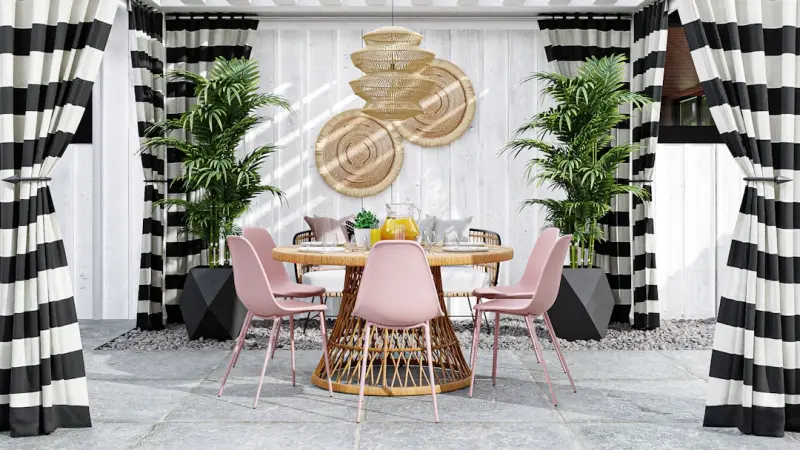
Designing a Year‑Round Outdoor Living Room: Comfort, Style, and Sustainability
Transform your backyard into a year‑round living room with strategic zoning, durable furnishings, smart heating, ambient lighting, seasonal plants, edible gar...Read More

Wanderlust with Purpose: Turning Vacation Days into Community Impact
Explore practical ways to turn your vacation into a force for good, from micro‑volunteering and local collaborations to mindful travel habits that leave a pos...Read More
0 Comments
Post Comment
You will need to Login or Register to comment on this post!