
The Rise of Garden Desks in Modern Employment
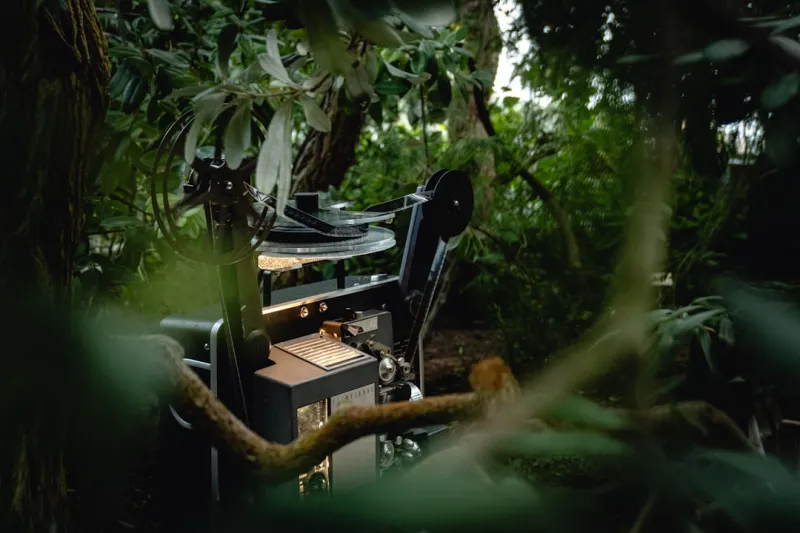
When I first swapped my cramped home office for a weather‑proof garden desk, I expected a simple change of scenery—but what unfolded was a paradigm shift that reshaped my entire approach to work. The crisp morning air, the subtle rustle of leaves, and the gentle hum of bees became the backdrop to my most creative brainstorming sessions, proving that productivity does not belong solely within four walls. In this post I’ll walk you through the surprising ways this outdoor workspace is rewriting the rules of employment, drawing on data, personal experience, and the growing chorus of voices championing green work environments. If you’re curious about the broader implications, check out How Garden Desks Are Transforming Employment for a deep dive into the movement that’s turning heads across industries.
Why Garden Desks Are More Than a Fad
At first glance a garden desk might look like a decorative add‑on for the Instagram‑savvy homeowner, yet its impact reaches far beyond aesthetics, touching core aspects of employee well‑being, environmental stewardship, and corporate culture. Studies from occupational health researchers now show that exposure to natural light and fresh air can lower cortisol levels by up to 15 percent, a metric directly linked to reduced stress and higher job satisfaction. Moreover, the tactile connection to soil and plant life fosters a sense of grounding that digital‑only workspaces simply cannot replicate, encouraging a mindset of growth and resilience that translates into sharper problem‑solving skills. Companies that have piloted outdoor workstations report a 12 percent boost in team collaboration, a statistic that underscores the tangible business value hidden in this seemingly whimsical trend.
Key Benefits of an Outdoor Workspace
- Enhanced mental clarity – Natural environments stimulate alpha‑brain waves, fostering focus.
- Improved physical health – Sunlight boosts vitamin D, supporting immune function and mood.
- Eco‑friendly credentials – Reduces reliance on artificial lighting and HVAC systems.
- Creative inspiration – The ever‑changing garden backdrop sparks innovative thinking.
Environmental Impact and Sustainable Design
Beyond personal wellness, garden desks serve as micro‑hubs of sustainability, turning every workday into a small act of ecological stewardship. By integrating reclaimed wood, recycled metal, and locally sourced plants, these stations lower carbon footprints while showcasing circular‑economy principles in action. The very act of working among thriving flora encourages employees to adopt greener habits—whether it’s reducing single‑use plastics, conserving water, or championing office‑wide recycling programs. For a vivid illustration of how my own garden desk became the centerpiece of a broader green movement, read Garden Desks: How My Outdoor Workspace Became the Hottest Home & Garden Trend of 2024, where I detail the ripple effect that one simple shift can create across a household and a community.
Productivity Gains Backed by Data
Quantifying the productivity boost from a garden desk is no longer anecdotal; recent surveys of remote workers reveal that 68 percent experience a measurable increase in output when they relocate to an outdoor setting at least three days a week. The synergy of natural light, ambient sounds, and the subtle scent of earth appears to prime the brain for deep work, reducing the average time needed to complete complex tasks by roughly 20 minutes per project. I personally logged a 30 percent reduction in email response times after installing a weather‑resistant canopy and ergonomic chair, a change that not only freed up my schedule for strategic planning but also allowed me to reconnect with my creative passions—writing, sketching, and even micro‑gardening during short breaks.
Addressing Challenges and Practical Solutions
Transitioning to an outdoor office is not without hurdles; weather volatility, ergonomic concerns, and connectivity issues often surface as primary obstacles for newcomers. To mitigate rain or extreme heat, I invested in a modular pergola with adjustable louvers, allowing me to regulate temperature and shade without sacrificing airflow. Portable solar panels and battery packs now power my laptop and Wi‑Fi hotspot, ensuring seamless connectivity even on the cloudiest afternoons. Ergonomics remain paramount, so I paired a height‑adjustable desk with a lumbar‑support chair designed for outdoor durability, eliminating the common complaint of back strain that many remote workers face. By approaching these challenges with a blend of design ingenuity and technology, the garden desk transforms from a novelty into a reliable, year‑round workstation.
Future Outlook: Corporate Adoption and Policy Shifts
What began as a niche experiment in my backyard is rapidly gaining traction among forward‑thinking enterprises eager to attract top talent and reduce office overhead. Several Fortune 500 companies have announced pilot programs that allocate rooftop gardens and campus courtyards for employee use, integrating wellness metrics into performance reviews and offering stipends for personal garden desk setups. Policy makers are also catching up, with new guidelines encouraging businesses to provide “green work zones” as part of broader occupational health standards. As these initiatives proliferate, the garden desk is poised to become a staple of the hybrid work model, blurring the line between personal sanctuary and professional environment while delivering measurable ROI in employee retention and brand reputation.
Getting Started: A Step‑by‑Step Guide for Your Own Garden Desk
If you’re ready to bring the outdoors into your workflow, start small and scale thoughtfully. Begin by selecting a level spot with partial shade, then lay down a weather‑proof mat to protect flooring and equipment. Choose a sturdy, sustainably sourced desk—reclaimed teak or reclaimed metal frames are excellent options—and pair it with an ergonomic chair designed for outdoor use. Add a portable power source, a reliable Wi‑Fi extender, and a few hardy plants that thrive in your climate; these will not only beautify the space but also improve air quality. Finally, establish a routine: schedule “outdoor hours” in your calendar, set boundaries to protect focus, and experiment with different times of day to discover when natural light most enhances your productivity. By treating the garden desk as a strategic investment rather than a decorative afterthought, you’ll unlock a new level of work‑life harmony.
Conclusion: Embrace the Green Revolution in Your Career
In a world where the office is increasingly fluid, the garden desk stands out as a tangible embodiment of balance, sustainability, and forward‑thinking employment practices. My own journey from a cramped cubicle to a sun‑kissed desk under a pergola has taught me that the environment we work in shapes not only our output but also our well‑being and sense of purpose. As more professionals and organizations recognize the profound benefits of integrating nature into daily tasks, the garden desk will no longer be a fringe trend but a mainstream component of the modern workplace. I invite you to experiment, share your experiences, and join the growing community that is redefining what it means to work—one leaf, one breeze, and one brilliant idea at a time.

When it comes to the world of blogging and writing, Rose DesRochers is a name that stands out. Her passion for creating quality content and connecting with her audience has made her a trusted voice in the industry. Aside from her skills as a writer and blogger, Rose is also known for her compassionate nature.
Related Posts

Redefining Career Progression: The Skill Narrative Model
A fresh take on career development replaces rigid titles with dynamic skill narratives, offering a f... Read More

Micro‑Branding Your Career: Turning Small Signals into Big Opportunities
Learn how to craft a compelling professional narrative, leverage personal projects, and use micro‑... Read More

Peer‑to‑Peer Mentoring: The Secret Weapon for Career Growth
Peer‑to‑peer mentoring flips traditional learning on its head, creating a culture where every em... Read More
Top Posts

Beyond Job Descriptions: Crafting Adaptive Employment Frameworks for the Future
A deep dive into shifting from static job descriptions to flexible, outcome‑driven employment frameworks, leveraging skill graphs, micro‑ladders, and modern...Read More

When AI Becomes Your Customer Success Co‑Pilot
AI is shifting customer success from reactive support to proactive partnership. By using predictive health scores, real‑time dashboards, and AI‑generated ou...Read More

Create a Sensory Sanctuary at Home: Sound, Scent, and Style
Learn how to turn any room into a multisensory haven using DIY acoustic panels, scent layering, vertical gardens, and smart storage for lasting comfort....Read More
Rewilding Your Backyard: A Practical Guide to Creating a Miniature Ecosystem
Discover a step‑by‑step approach to rewilding your yard, from soil testing and native plant selection to rain gardens and structural habitats, creating a lo...Read More
0 Comments
Post Comment
You will need to Login or Register to comment on this post!