
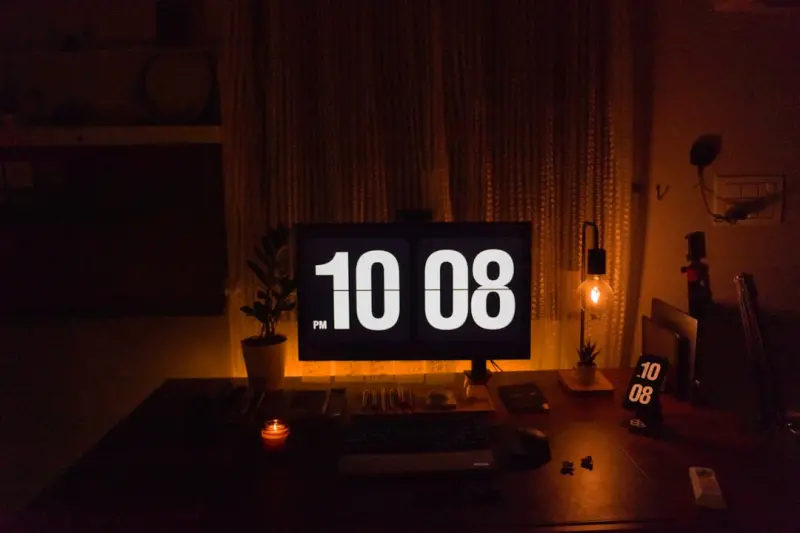
When the Inbox Never Sleeps: Crafting Digital Boundaries for Mental Clarity
It’s funny how the tools designed to make our lives easier can end up feeling like invisible shackles. I remember a Tuesday morning when my phone buzzed three times before I even stepped out of bed—one notification from Slack, another from my calendar, and a third from a news app. By the time I reached the kitchen, my mind was already juggling three conversations I hadn’t started yet. That’s the subtle, relentless pressure of being “always on,” and it’s a pressure that is eroding our mental well‑being in ways many of us don’t even notice.
The Quiet Pandemic of Digital Overload
Research from the American Psychological Association shows that constant connectivity is linked to higher levels of stress, anxiety, and burnout. Yet the narrative in most workplaces celebrates the ability to be reachable 24/7 as a badge of dedication. The truth is, our brains are not wired for endless streams of information. When we allow the digital tide to wash over us without restraint, we dilute our capacity for deep focus, emotional regulation, and restorative downtime.
Why Traditional “Time‑Off” Isn’t Enough
We’ve all heard the mantra: take a day off, unplug, recharge. While scheduled breaks are vital, they often become perfunctory—an item on a to‑do list rather than a genuine mental reset. The problem isn’t the amount of time away, but the quality of the mental space we give ourselves during and after those breaks. Without intentional digital boundaries, even a weekend can feel like an extension of the workweek, because the brain never truly disconnects.
Re‑thinking the “Always‑On” Mentality
To protect our mental health, we need to shift from a reactive approach (waiting for burnout to hit) to a proactive one: designing digital habits that respect our cognitive limits. Below are three pillars I’ve found transformative, each rooted in neuroscience and practical experience.
1. Curate Your Notification Landscape
- Audit your apps. List every app that pushes notifications. For each, ask: does this alert serve a critical need, or is it a convenience that can wait?
- Batch notifications. Instead of allowing every message to interrupt you, set specific windows—say, 9 am, 12 pm, and 4 pm—when you’ll review non‑urgent alerts.
- Leverage “Do Not Disturb” wisely. On most smartphones, you can create custom profiles that silence work‑related apps outside of core hours while still allowing calls from loved ones.
When I first experimented with a “notification diet,” the initial 48‑hour period felt uncomfortable, like I was missing out. By the third day, my mind felt lighter, and I could concentrate on a single project for hours without the mental clutter of intermittent pings.
2. Create Physical “Signal‑Free” Zones
Our environment cues our behavior. If your kitchen table is also your laptop stand, it sends the message that meals are just another work task. Designate at least one area in your home—perhaps a reading nook or a small balcony—as a signal‑free zone. In this space, keep devices out of sight (or in airplane mode) and replace them with analog comforts: a good book, a plant, or a journal.
Studies show that even brief exposure to nature, or the perception of it, can lower cortisol levels. The act of physically stepping away from screens reinforces a mental separation between “work mode” and “rest mode.”
3. Embed Micro‑Recovery Practices Throughout the Day
While the micro‑moments of mindfulness for busy professionals article taught me the power of brief, intentional pauses, I’ve refined those practices to directly combat digital fatigue. Here are three micro‑recovery rituals you can adopt:
- Screen‑Free Breathing (30 seconds). Close your eyes, inhale for four counts, hold for two, exhale for six. This simple pattern recalibrates the nervous system and reduces the physiological impact of stress.
- Desk‑to‑Window Glance (1 minute). Look out a window and consciously note three colors you see. This visual reset engages the brain’s default mode network, fostering a brief mental “reset.”
- Audio Reset (2 minutes). Play a short, soothing soundscape—perhaps gentle rain or distant waves—to signal a transition. You might be surprised how effective this is, a principle also explored in the audio sanctuaries piece.
These micro‑breaks are not “wasted time.” They are strategic interventions that prevent the build‑up of cognitive load, making you more resilient to the inevitable demands of a connected world.
Building a Sustainable Digital Routine
Now that we’ve explored the why and the how, let’s outline a concrete weekly plan that marries these pillars into a seamless routine.
Monday – “Gatekeeper” Day
Start the week by clearing your inbox in a single, focused block (no more than 90 minutes). Use the “unread” filter to prioritize truly urgent items. Afterward, turn on “Do Not Disturb” for the remainder of the day, allowing only essential contacts.
Tuesday – “Signal‑Free” Afternoon
Pick a physical zone and commit to a two‑hour window with no screens. Fill this time with reading, journaling, or a brief walk. Notice how your mental chatter quiets when you’re not constantly scanning a feed.
Wednesday – “Micro‑Recovery” Sprint
Integrate the three micro‑recovery practices into your workday. Set a timer to remind you every 90 minutes. Over time, these pauses will become a natural rhythm rather than a forced habit.
Thursday – “Deep Work” Block
With notifications muted and the environment cleared, schedule a four‑hour deep‑focus session. Use techniques like the Pomodoro method (25‑minute work, 5‑minute rest) to maintain intensity without burnout.
Friday – “Digital Declutter” Review
Spend 30 minutes at the end of the week reviewing app notifications and subscription emails. Unsubscribe from newsletters that no longer serve you, and consider removing apps that consistently distract without adding value.
Measuring the Impact
It’s tempting to assume these changes will feel better, but quantifying the effect helps solidify the habit. Here are three simple metrics you can track:
- Focus Duration. Use a timer or productivity app to log the total uninterrupted work minutes each day. Aim for a 10‑15% increase week over week.
- Stress Rating. At the end of each day, rate your stress on a 1‑10 scale. Notice trends as you tighten digital boundaries.
- Sleep Quality. Even though we have a separate deep‑dive on sleep, you’ll find that fewer late‑night notifications correlate with more restorative rest.
When you see measurable improvement—longer focus spans, lower stress scores, better sleep—you’ll be more motivated to protect your digital perimeter.
The Bigger Picture: Organizational Culture and Mental Health
While individual habits are essential, lasting change requires cultural shifts. Leaders can model healthy digital behavior by:
- Setting clear expectations around response times (e.g., “no email after 6 pm”).
- Encouraging team “email‑free” windows, especially during collaborative projects.
- Providing resources for mindfulness and digital wellbeing, such as subscriptions to curated soundscape platforms.
When an organization normalizes boundaries, the ripple effect enhances collective mental health, productivity, and employee retention.
Conclusion: Your Mind Deserves a Buffer
The digital age has gifted us unprecedented connectivity, but it has also blurred the line between work and life, between stimulus and rest. By deliberately curating notifications, establishing signal‑free zones, and embedding micro‑recovery practices, you give your brain the buffer it needs to process, recover, and thrive.
Remember, mental health isn’t a destination; it’s a daily practice of choosing what we allow into our mental space. Start small, be consistent, and watch the cumulative impact transform not just your productivity, but your overall sense of calm.

Margaret Thomson is a seasoned freelance writer specializing in the dynamic worlds of marketing and advertising. With a career deeply rooted in the marketing field, Margaret brings a wealth of practical experience and insightful knowledge to her writing.
Related Posts

The Unexpected Power of Play: Reclaiming Joy to Boost Mental Health in High‑Pressure Careers
Play isn’t a luxury—it’s a mental‑health tool. This article explores science‑backed ways t... Read More
Unplug to Recharge: How Deliberate Digital Breaks Boost Mental Health
Explore practical strategies for incorporating purposeful digital breaks into daily life, backed by ... Read More

The Power of Unscripted Moments for Brain Health
Explore why intentional unscripted breaks—like looking at a plant, soaking up daylight, or a quick... Read More
Top Posts

Why My Garden Desk Became My Favorite Home Office
Explore the rise of garden desks, how they reshape home workspaces, and practical tips for creating an outdoor office that fuels both productivity and well‑be...Read More
Scent‑Smart Living: How to Curate a Rotating Home Aroma Experience
Discover a step‑by‑step guide to creating a purposeful home fragrance routine using natural ingredients, sustainable diffusers, and smart storage, turning e...Read More

Micro‑Adventures: Tiny Trips, Big Impact
Micro‑adventures—short, intentional trips that fit into a regular workweek—can reset the brain, enhance creativity, improve health, and even add value to ...Read More
The Rise of Garden Desks: Redefining Home Life and Work
Explore the garden desk revolution—how this outdoor workspace blends productivity, health benefits, and style, reshaping modern home living....Read More
0 Comments
Post Comment
You will need to Login or Register to comment on this post!