
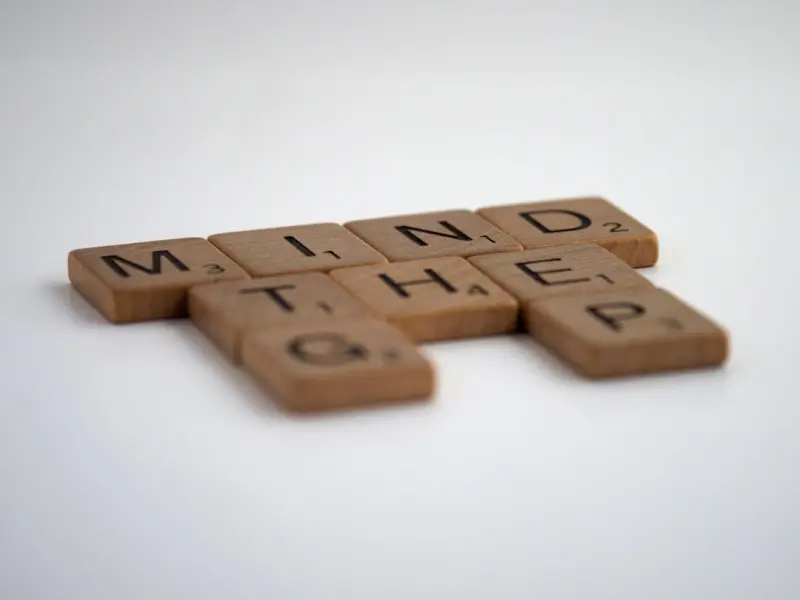
When my inbox hits triple digits and my calendar looks like a Tetris puzzle, the idea of “mindfulness” can feel like a luxury reserved for yoga studios and meditation retreats. I used to think the word belonged to a different universe—one where you could sit on a cushion for an hour without a single notification buzzing. Then I realized that mindfulness isn’t a monolithic practice; it can be broken down into bite‑sized, actionable “micro‑moments” that slip seamlessly into even the most chaotic workday.
Why Micro‑Mindfulness Works When Traditional Practices Don’t
Traditional mindfulness often demands a dedicated block of time, a quiet space, and a willingness to silence the inner chatter. For many professionals, especially those juggling meetings, deadlines, and family responsibilities, those conditions feel unattainable. Micro‑mindfulness flips the script by focusing on frequency over duration. Instead of carving out a 30‑minute meditation, you sprinkle short, intentional pauses throughout your day. These pauses act like mental palate cleansers, resetting your nervous system and sharpening focus without disrupting workflow.
Science backs this approach. Studies show that even a 30‑second breath focus can lower cortisol levels and improve attention span. The brain’s default mode network—responsible for mind‑wandering and rumination—gets a brief “off‑switch,” allowing you to return to tasks with a clearer, more present mindset. The cumulative effect of dozens of these micro‑breaks can rival the benefits of longer meditation sessions.
Three Pillars of Micro‑Mindfulness
- Physical Anchors: Use your body as a reminder. A simple stretch, a posture check, or feeling the ground beneath your feet can pull you back into the present.
- Breath Cues: A couple of conscious breaths, especially when you notice tension, create an instant neuro‑chemical shift toward calm.
- Intentional Transitions: Treat the moments between tasks as opportunities to reset rather than slip into autopilot.
By integrating these pillars, you build a personal “mindfulness infrastructure” that operates silently in the background, ready to deploy whenever stress spikes.
How to Embed Micro‑Mindfulness Into Your Day
Below is a practical roadmap you can adapt to any schedule. The key is to pair each micro‑moment with a natural cue—something that already happens in your routine.
- Start with a “Screen‑Free” Sunrise. Before you dive into emails, take three deep breaths while looking out a window or simply feeling the air on your skin. This short ritual frames the day with intention.
- Desk Posture Check‑In. Every time you stand up to grab a coffee or head to a meeting, notice the alignment of your spine, shoulders, and neck. Gently roll your shoulders back and down, releasing any tension that has built up.
- Keyboard Breath. While typing, place one hand on your chest and the other on your abdomen. Inhale for a count of four, exhale for six. Even a single cycle can reset heart rate variability.
- Transition Timer. Set a 30‑second timer on your phone for the five minutes between meetings. Use this window to close your eyes, notice the sounds around you, and take two conscious breaths.
- Digital Pause. When you receive a notification, pause before you swipe. Take a brief mental note of what you’re feeling—curiosity, annoyance, excitement—then respond mindfully.
- Lunchtime Landscape. Instead of scrolling through feeds, step outside (or look out a window) for a minute. Observe the colors, textures, and movement. This natural “visual reset” can lower stress hormones.
- Evening Wind‑Down. Before you shut down your laptop, write down three things that went well today. This gratitude practice re‑wires the brain toward positivity, improving sleep quality.
Notice how each micro‑moment is tied to an existing habit or transition. This “cue‑routine‑reward” loop ensures the practice sticks without feeling like an added task.
Micro‑Mindfulness in High‑Pressure Scenarios
Imagine you’re on a conference call that’s spiraling into heated debate. Your heart rate spikes, and you feel the urge to interject. Instead of reacting, try the “Three‑Second Pause.” Count silently—1, 2, 3—while feeling the breath fill your lungs. Those three seconds create a neural gap that lets you choose a more measured response. You’ll often find that the tension dissolves, and the conversation stays productive.
Another scenario: a looming deadline triggers a cascade of anxiety. When you notice the physical sensations—tight chest, clenched jaw—engage the “Grounding Triple.” Feel the weight of your feet on the floor, the texture of the chair beneath you, and the temperature of the air on your skin. This sensory triad anchors you in the present, preventing the mind from catapulting into catastrophic “what‑ifs.”
Leveraging Existing Resources for Deeper Impact
If you’re already exploring resilience strategies, consider reading Why Embracing the Uncomfortable Can Supercharge Your Mental Resilience. The principles there complement micro‑mindfulness by teaching you to view discomfort not as a threat but as a growth catalyst. When you pair that mindset with micro‑breaks, you create a feedback loop where each pause becomes a moment of intentional discomfort—a chance to observe, accept, and move forward.
Similarly, the article Designing Quiet Corners: A Blueprint for Home Calm offers inspiration for carving out tiny sanctuaries. You don’t need a dedicated meditation room; a simple corner with a plant or a comfortable chair can serve as a physical anchor for your micro‑mindfulness practice. Even a brief sightline to a calming object can reinforce the habit.
Common Misconceptions (And Why They’re Holding You Back)
- “I need to sit still to be mindful.” – Movement can be mindful. Walking, stretching, or even washing dishes can become meditation when you focus fully on the sensations.
- “Micro‑mindfulness is a gimmick.” – Neuro‑plasticity research confirms that frequent, short intentional practices reshape brain pathways just as effectively as longer sessions.
- “If I forget a micro‑break, I’ve failed.” – Mindfulness isn’t about perfection. Each missed cue is an opportunity to observe self‑judgment without criticism.
Tools and Tech (Without Becoming a Distraction)
While the goal is to stay off the screen, a few low‑key tools can help you stay consistent:
- Timer Apps. Simple timers on your phone can signal transition moments without adding complexity.
- Ambient Sound Generators. A soft rain track during a micro‑break can deepen the calming effect.
- Wearable Sensors. Some smartwatches provide real‑time heart rate variability data, nudging you to breathe when stress spikes.
Remember, technology should serve as a subtle cue, not a primary focus. The moment you start scrolling for a “mindful playlist,” you’ve already left the present moment.
Measuring Success Without Obsessing Over Numbers
Unlike project KPIs, mental health metrics are inherently qualitative. However, you can still track progress with simple, non‑intrusive methods:
- Self‑Check‑In Logs. At the end of each day, note how many micro‑breaks you remembered and any noticeable shifts in mood or focus.
- Energy Rating. Rate your energy level on a 1‑10 scale before and after a series of micro‑moments. Look for upward trends over weeks.
- Stress Triggers Journal. Document situations that triggered stress and how a micro‑mindfulness response altered the outcome.
These low‑effort reflections reinforce the habit loop and provide tangible evidence of benefit, encouraging continued practice.
Integrating Micro‑Mindfulness Into Team Culture
Organizations can amplify the impact by normalizing micro‑breaks. Here are three low‑cost initiatives:
- “Pause” Bell. Set a subtle chime on the office clock or virtual meeting platform every hour, inviting everyone to take a breath together.
- Micro‑Mindful Meeting Starts. Allocate the first 60 seconds of every meeting to a collective inhale‑exhale exercise.
- Shared Visual Reminders. Place small posters or desk flags with simple breath cues—“Breathe In, Feel, Breathe Out”—around the workspace.
When leadership models these practices, they signal that mental well‑being is a strategic priority, not a personal afterthought.
Conclusion: The Power of Tiny Shifts
Micro‑mindfulness isn’t about squeezing a full meditation retreat into a lunch break; it’s about honoring the small, often overlooked moments where you can reclaim your mental space. By weaving physical anchors, breath cues, and intentional transitions into your daily rhythm, you create a resilient mental framework that can weather the inevitable storms of a busy professional life.
The beauty lies in its simplicity: you don’t need a quiet room, a yoga mat, or a guru. You only need the willingness to pause, notice, and breathe—once, twice, or a hundred times a day. Over time, those tiny ripples become a steady current, guiding you toward greater calm, sharper focus, and a deeper sense of agency.
Give yourself permission to start small. Your mind will thank you, one micro‑moment at a time.

Melanie Wilson, Freelance writer with a flare for everything. I am passionate about topics I write crafting stories and compelling content that connect with audiences. Journeying through the realms of creativity as a freelance creator. #WriterLife #ContentCreator
Related Posts
Quiet Corners: Designing Mental‑Health Safe Havens in the Modern Office
Discover practical design principles and daily rituals for building quiet corners that act as mental... Read More

Playful Mental Fitness: Gamify Your Daily Routine for a Healthier Mind
Learn how simple, game‑like tweaks to daily routines can strengthen mental resilience, sharpen foc... Read More

Curiosity as a Mental‑Health Superpower: Harnessing Wonder for Everyday Resilience
Explore how cultivating curiosity can become a daily mental‑health practice, turning stress into d... Read More
Top Posts

Mastering Remote Career Growth: Strategies for Visibility, Balance, and Future‑Proofing
Learn how to set clear boundaries, showcase achievements, build a digital network, and future‑proof your remote role with practical weekly habits for sustaina...Read More

The Art of Unplanned Journeys: Embracing Serendipity on the Road
A guide to embracing unplanned travel, offering practical tips, real-world examples, and insights on using AI as a supportive sidekick while staying open to ser...Read More
Turning Every Trip Into a Personal Innovation Lab
Learn to treat each journey as a lab for personal growth. From hypothesis crafting to reflective storytelling, this guide shows you how to turn travel into a po...Read More

Garden Desks: How My Outdoor Workspace Became the Hottest Home & Garden Trend of 2024
Jimmy Damon shares his personal journey building a garden desk, revealing how this outdoor workspace boosts health, sustainability, and productivity—making it...Read More
0 Comments
Post Comment
You will need to Login or Register to comment on this post!